






Benefits Of Aluminum Outdoor Furniture For Long-Lasting Style And Comfort

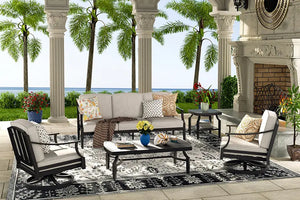
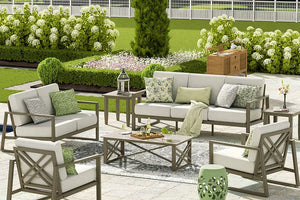
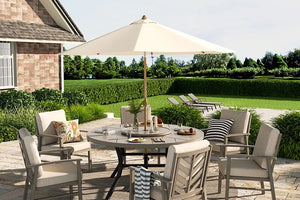
Aluminum outdoor furniture brings together strength, lightness, and style—perfect for today’s patios and gardens. It stands out because it resists rust, needs little upkeep, and keeps looking good for years, even when the weather turns rough.
Unlike steel or wrought iron, aluminum doesn’t corrode in rain or humidity. That makes it a solid pick for just about any climate.
Homeowners often pick aluminum because it’s easy to move, lasts for years, and comes in tons of styles—from sleek, modern lines to ornate cast designs. Powder-coated finishes keep the metal safe from scratches and fading, so it holds onto its color and shine with barely any work.
In practice, you get more time to relax and less time fussing with maintenance. That’s a win, right?
What Is Aluminum Furniture And What Makes Aluminum Outdoor Furniture So Popular?
Aluminum outdoor furniture includes tables, chairs, and loungers made from extruded aluminum, cast aluminum, or aluminum alloys like 6063. Extruded aluminum is pushed through a mold to create lightweight, hollow frames, while cast aluminum is poured into molds to form thicker, more detailed shapes.
People choose aluminum because it naturally forms an oxide layer that prevents rust, making it reliable and lightweight. Aluminum chairs and loungers are easy to move or store. Powder coating adds long-lasting color protection with minimal maintenance.

Benefit #1 — Aluminum Outdoor Furniture Never Rusts
Aluminum outdoor furniture never rusts because it forms a natural oxide layer. When aluminum meets oxygen, it creates a thin film that seals the surface and blocks moisture and air from getting in.
This layer keeps rust and corrosion away. Unlike steel or iron, aluminum doesn’t need paint or special coatings to stay rust-free. Even if it gets scratched, the oxide layer repairs itself.
So, you can leave your aluminum furniture outside all year and not worry about rust spots or peeling paint. That’s peace of mind, especially in places with lots of rain or humidity.
Benefit #2 — It’s Lightweight, Making Rearranging Your Patio Simple
Aluminum is about one-third the weight of steel or iron, so it’s much easier to handle. You can lift or move aluminum furniture without much effort. Changing your patio layout? You’ll do it in minutes, not hours.
This lightness comes from aluminum’s atomic structure. The metal stays strong but doesn’t weigh you down. That’s a real bonus if you like to switch things up or need to stash furniture away for the season.
Moving furniture quickly also makes cleaning and storage easier. You can stack chairs or tuck tables under cover when the weather turns. If you host gatherings, you’ll appreciate how simple it is to rearrange seating for your guests.
Compared to heavy wrought iron or solid wood, aluminum just feels friendlier on your back and arms. Honestly, who wants to wrestle with heavy chairs every time you clean?
Benefit #3 — Surprisingly Durable And Weather-Resistant
Aluminum outdoor furniture holds up because of its natural oxidation layer. This thin film forms automatically and keeps moisture and oxygen from reaching the raw metal. That means no rust or corrosion, even after years outside.
Aluminum doesn’t rust when it rains or gets humid. It’s non-ferrous, so there’s no iron to oxidize. That’s why it lasts in coastal areas where saltwater ruins other metals.
Powder coating adds another shield. Manufacturers bake a powder finish right onto the metal, sealing it against scratches, sun, and water. The color stays true for years, and you won’t spend weekends touching up paint.
All these layers—natural and man-made—work together to make aluminum a tough, all-season choice for outdoor living.
Benefit #4 — Low Maintenance
Aluminum outdoor furniture barely asks for any upkeep. The metal’s natural oxide layer keeps out rust and corrosion, even in wet climates. You can leave it outside year-round and not stress about constant repainting or sealing.
Unlike wood, aluminum won’t soak up water or warp. Most pieces have powder-coated finishes that bond color right to the metal, so the finish doesn’t peel or flake.
Cleaning is easy. Just use a mild soap-and-water mix to wipe away dirt or pollen. There’s no need for oiling, staining, or sealing. That saves time and money compared to wood or wrought iron.
Because aluminum shrugs off rain and sun, you get to enjoy your outdoor space more and worry less about upkeep. That’s honestly one of the best perks.
Benefit #5 — Tons Of Style Options To Match Any Outdoor Space
Aluminum outdoor furniture comes in pretty much every color, shape, and finish you can imagine. Manufacturers can bend and mold aluminum into all sorts of curves, angles, and details, so you’ll find both modern and classic looks.
Powder coating gives a uniform color that holds up against sunlight. You can match your furniture to teak decks, stone patios, or even funky resin planters. Matte black frames pop against light wood, and brushed silver looks sharp with cool-toned cushions.
Because aluminum takes different coatings, it’s easy to refresh your set without buying new furniture. Swap out cushions or repaint the frame for a whole new vibe. That flexibility means your outdoor style can change as often as you want—without breaking the bank.
Benefit #6 — Great Value For Money In The Long Run
Aluminum outdoor furniture gives you real value over time. Its cast or extruded aluminum build naturally resists rust and corrosion, no fancy coatings needed.
This means you won’t have to replace or repair it much, saving you hassle and money down the road. Unlike wood, which needs regular staining, or steel, which might need repainting, aluminum handles rain, sun, and humidity without drama.
Most of the time, you just clean it with mild soap and water. That’s it. Over a few years, you’ll notice you spend less on upkeep and materials compared to other options.
Sure, the price can jump around depending on the style or how it’s made. But even if you pay more at first, aluminum’s long life makes up for it. A solid cast aluminum chair can easily last a decade or longer, which really brings down the yearly cost compared to hardwood or iron that might fall apart sooner.
|
Material Type |
Typical Maintenance |
Average Lifespan |
Relative Long-Term Cost |
|
Wood (e.g., teak, cedar) |
Seasonal sealing |
5–10 years |
High |
|
Steel (painted) |
Rust inspection, repaint |
5–7 years |
Medium |
|
Aluminum (powder-coated) |
Wipe clean, no rust care |
10–15 years |
Low |
Aluminum Vs Other Outdoor Furniture Materials: Which One’s Better For You?

Aluminum outdoor furniture shrugs off rust, stands up to wild weather, and barely asks for maintenance. Other materials like steel, wood, and wrought iron have their own strengths or classic looks, but they often need more attention and can be a pain to move.
Aluminum Vs Steel
Both aluminum and steel are strong, but they act pretty differently outside. Aluminum naturally forms a thin oxide layer that blocks rust, so you don’t have to worry much about corrosion. Steel, on the other hand, has iron in it, and if you don’t keep it painted or coated, it’ll rust when it gets wet.
So, if you want to leave furniture outside all year, aluminum makes life easier. Steel usually needs you to repaint or touch it up. Aluminum is also about a third the weight of steel—think 2.7 g/cm³ versus much heavier steel—so you can move it around without breaking a sweat.
Steel’s weight does help it stay put in high winds, but it’s not fun to drag around. Design-wise, powder-coated aluminum can look a lot like steel and comes in loads of finishes. Both metals can be recycled, but aluminum takes less energy to make and reuse. If you like things low-maintenance and hate rust, aluminum is the obvious pick.
Aluminum Vs Wood
Wood furniture brings a natural vibe, but it’s needy. Moisture can warp, crack, or rot pine and cedar unless you keep sealing them. Aluminum doesn’t soak up water or swell in the heat, so it needs way less care.
Even tougher woods like teak and acacia need oiling to keep their color and stop drying out. Aluminum uses powder coating or anodizing to lock in its finish for good. You won’t have to keep re-oiling or sanding it every year.
Looks-wise, aluminum can even mimic wood grain with textured or painted finishes. That’s a win for anyone who wants the warmth of wood but not the maintenance. If you live somewhere humid or near the ocean, aluminum’s resistance to moisture and salt just makes sense.

Is Aluminum Outdoor Furniture Right For Your Patio?
Aluminum outdoor furniture fits most patios because it laughs off rust and moisture. The metal creates a natural oxide layer that shields it from corrosion, so it stands up to rain and humidity without peeling or getting weak.
It’s lightweight—often less than a third of steel’s weight—so moving or rearranging pieces is easy. That’s a bonus for anyone who likes to switch up their patio setup or needs to stash furniture for the season.
Some hollow-frame designs can blow around in strong winds, but you can fix that with cushions or weighted bases. Powder-coated finishes add color and extra protection, bonding to the surface to stop fading and chipping.
In real life, you’ll probably just wash it with mild soap and water now and then. The finish holds up for years, so you don’t have to fuss with it.
People with small patios or who love to redecorate usually go for aluminum. It’s sturdy, easy to live with, and doesn’t demand the constant care of wood or iron.
How Long Does Aluminum Outdoor Furniture Last?
Good aluminum outdoor furniture can last 15 to 20 years if you treat it right. If it’s powder-coated, it might even outlast that—sometimes stretching past two decades since the coating protects the metal from sun and salt.
In really humid or coastal spots, you might see 10 to 15 years, since salt in the air can be rough if the coating wears off. The powder coating itself matters, too. Super-durable polyester powder stands up to UV and chalking better than the regular stuff, keeping the color and strength longer.
If you just wash it with mild soap and water once or twice a year, tighten screws, and maybe use a little silicone on the joints, you’ll stretch its life. Near pools or the coast, rinsing off salt helps prevent pitting.
Lightweight frames also mean less stress on the structure. Since aluminum doesn’t rust, it avoids the deep damage that can wreck steel or iron. You can move it around without worrying about bending or loosening joints.
Simple Care Tips To Keep Aluminum Furniture Looking New
Regular cleaning keeps aluminum furniture looking sharp. Just use mild soap, warm water, and a soft cloth or sponge to wipe away dirt and stains. Rinse it off and let it air dry so you don’t get water spots.
Skip the bleach or harsh chemicals—they’ll mess up the powder coating that keeps corrosion away. That coating acts as a shield, helping the furniture keep its metallic finish without pitting or fading.
If you run into stubborn spots, a mix of water and white vinegar usually does the trick. Wipe gently and rinse. If you see chalky residue, grab a non-abrasive cleaner to bring back the shine.
Stick to a simple care schedule and your aluminum will stay in good shape:
|
Task |
Frequency |
Purpose |
|
Wash with mild soap |
Monthly |
Removes dirt and debris |
|
Inspect for scratches |
Every 3 months |
Prevents minor corrosion |
|
Apply car wax or sealant |
Twice a year |
Adds water resistance |
|
Cover or store indoors |
During off-season |
Reduces exposure to elements |
Keep it clean and protected, and your furniture will stay ready to go year after year. That’s less time fixing things and more time relaxing outside.
Thinking Of Upgrading Your Outdoor Space? Aluminum Might Be Your Best Bet
Aluminum works for almost any patio, balcony, or backyard. It’s lightweight—about a third the heft of steel—so you can move chairs or tables around by yourself. Rearranging for parties or cleaning? No problem.
Since aluminum builds up a natural oxide layer, it resists rust and corrosion even in damp or salty environments. That’s huge for outdoor furniture, which faces all kinds of weather. You get a longer-lasting setup with less touch-up or replacement.
Powder-coated finishes lock in color and defend against scratches. These coatings really help the furniture hold up through changing seasons, keeping it looking fresh.
Aluminum is also endlessly recyclable. Manufacturers often use recycled aluminum for frames, which just feels better if you’re thinking about sustainability. It’s a smart pick for anyone who wants durable, low-hassle furniture that’s also a bit kinder to the planet.
Honestly, if you’re weighing an upgrade, aluminum brings a lot to the table—durability, low maintenance, and flexibility. It’s not just marketing talk; the material really does what it promises.

FAQ
Does aluminum fade in sunlight?
Powder-coated aluminum resists fading because the coating bonds right to the metal. This creates a stable color layer that sticks around, even in direct sunlight.
So, you won't need to repaint as often, and your furniture keeps its look over time.
Can aluminum furniture handle heavy weight?
Most aluminum frames handle a surprising amount of weight, thanks to their alloy blend. For example, furniture made from 6061 or 6063 aluminum stands up to outdoor stress and normal seating pressure.
You get sturdy seating without breaking your back every time you want to move it. That balance between strength and lightness just makes sense.
Does it get hot in the sun?
Bare aluminum heats up fast in direct sunlight because it conducts heat well. But painted or powder-coated finishes reflect more sunlight, so the surface doesn't get as hot.
Your furniture might feel warm on a summer day, but it won't scorch you. Toss on a cushion if you want extra comfort. Problem solved.
Related Articles

Are Waterproof Cushions a Myth? Why Sunbrella® ...
A brand-new set of patio cushions survives exactly one summer storm before it starts smelling like a basement. The fabric feels clammy. Dark spots appear along the seams. The listing...
Are Waterproof Cushions a Myth? Why Sunbrella® ...
A brand-new set of patio cushions survives exactly one summer storm before it starts smelling like a basement. The fabric feels clammy. Dark spots appear along the seams. The listing...
Continue Reading
How to Measure Covers for Sofa Sets: Sectionals...
Your outdoor sofa is more than just furniture—it's where morning coffee moments happen, where friends gather for evening conversations, and where you unwind after long days. Protecting this investment from...
How to Measure Covers for Sofa Sets: Sectionals...
Your outdoor sofa is more than just furniture—it's where morning coffee moments happen, where friends gather for evening conversations, and where you unwind after long days. Protecting this investment from...
Continue Reading
The Truth About Cheap Wicker: How to Identify U...
A homeowner spends several hundred dollars on a "wicker" outdoor furniture set. It looks great on arrival — the weave is tight, the color is rich, and the listing promised...
The Truth About Cheap Wicker: How to Identify U...
A homeowner spends several hundred dollars on a "wicker" outdoor furniture set. It looks great on arrival — the weave is tight, the color is rich, and the listing promised...
Continue Reading