











Cozy Porch Chair: How To Choose And Arrange For Comfort And Style

A cozy porch chair can turn a simple porch into a comfortable retreat that invites relaxation any time of day. It balances comfort, style, and durability while matching the size and layout of the space. The right porch chair creates a welcoming spot to unwind while also enhancing how the porch looks and feels.
Every porch setup benefits from smart placement and thoughtful choice of seating. The right arrangement encourages easy conversation, open walkways, and balanced design. Simple touches like a small table, a soft cushion, or a textured rug can make even a small porch feel like an inviting extension of the home.
As the article explores styles, arrangement ideas, accessories, and care tips, it shows how selecting and placing porch chairs can shape both comfort and atmosphere. A well-chosen chair and layout make the porch a place worth spending time every season.
What is a Porch Chair?
A porch chair is outdoor seating designed for comfort and durability on a porch, patio, or deck. Unlike indoor chairs, it must handle sun, rain, and temperature changes without fading or breaking down.
Porch chairs come in different materials such as wood, metal, wicker, and plastic. Each material provides different levels of maintenance and weather resistance. For example, teak resists moisture and insects, while aluminum stays rust-free and lightweight.
Most porch chairs feature wider seats, angled backs, and sturdy frames to encourage relaxation. Some include extra padding or cushions made of weather-resistant fabrics that prevent mildew and color fading. When chosen carefully, a porch chair can turn a basic porch into an inviting place to rest, read, or socialize.
What are Types of Porch Chairs?
Below are the main types of porch chairs:
- Adirondack Chairs – Slanted seats, wide armrests, and solid wood construction for deep relaxation.
- Rocking Chairs – Gentle rocking motion that helps people unwind and adds a classic look.
- Glider Chairs – Smoother forward-and-back movement, ideal for small spaces.
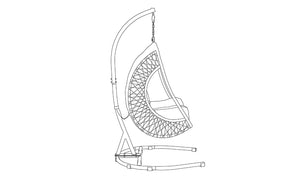
- Swing Chairs – Hanging design that creates a light, floating sensation.
- Lounge Chairs – Deep seating with cushions for extended comfort.
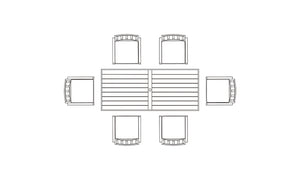
- Dining Chairs – Upright seating made for outdoor meals.
Each type serves a distinct purpose. Rockers and gliders appeal to those who value motion and calm. Adirondack and lounge chairs suit long lounging sessions, while dining styles keep posture upright for conversation or meals. Matching the style to the intended activity helps build a cohesive and functional porch.
What are the features that make a Porch Chair Comfortable?
A comfortable porch chair has a slight recline, thick weather-resistant cushions, an ergonomic backrest, wide armrests, a sturdy wobble-free frame, and breathable materials.
- Seat Depth and Angle – Slight recline supports better posture and relieves back tension.
- Quality Cushions – Thick, weather-resistant cushions add softness without holding moisture.
- Supportive Backrest – Ergonomic design that fits the natural curve of the spine.
- Armrests – Flat or wide arms for resting drinks, books, or elbows.
- Sturdy Frame – Stable construction that prevents wobbling.
- Breathable Materials – Provide airflow and reduce heat buildup.
An ideal porch chair balances structure with softness. Fabric choice matters; solution-dyed acrylic and coated polyester resist fading and stay easy to clean. A durable frame, paired with supportive design, helps maintain comfort even after years of use.

How to Choose the Perfect Porch Chair
Select materials that last in outdoor conditions, pay attention to comfort and fit for the space, and coordinate each piece with the porch’s overall look. A well-chosen chair should balance durability, size, and style to create a functional and inviting area.
Choose the Right Material for Porch Seating
Pick materials that handle the local climate well. Wood, metal, plastic, and wicker each have their own strengths and weaknesses when exposed to sun, rain, and humidity. For example, teak and cedar resist rot and insects, while aluminum and powder-coated steel hold up against rust.
Check if the chair material needs ongoing care. Wood might need seasonal oiling or sealing, while synthetic wicker often needs only a simple wipe-down. Lightweight resin or aluminum chairs make rearranging easier, while heavier wood or iron options stay steady in strong winds.
Consider comfort and sustainability. Some chairs use recycled plastics that look like wood but require less maintenance. Others combine mesh fabrics or weatherproof cushions to increase seating comfort without trapping moisture. Choose based on both upkeep preferences and the long-term appearance you want for your porch.
Choose the Right Size and Shape
Measure the space before purchasing any furniture. A few minutes with a tape measure ensures the chair fits well without blocking walkways or crowding doors. For smaller porches, slimmer silhouettes and foldable chairs save space while keeping the area functional.
Select shapes that match how the space will be used. Rockers and gliders create a relaxed spot for reading, while upright dining-style chairs pair better with small tables for outdoor meals. The seat depth and back height also affect posture and comfort, especially during long sitting periods.
Follow a simple rule: leave enough space for movement and balance. Chairs should allow at least 18–24 inches between pieces for easy access. Matching chair heights with railings or tables helps maintain a tidy, well-planned layout.
Match Porch Chairs to Outdoor Decor
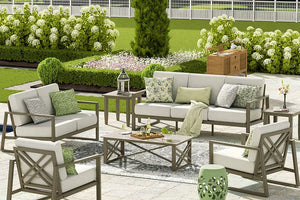
Coordinate materials and colors to connect the seating area with the home’s exterior. Painted or stained finishes can echo door or trim colors, while natural tones blend with surrounding plants. Neutral bases with a few patterned cushions or throws create variety without overwhelming the space.
Plan decoration around how the porch is used. A quiet reading area might use soft tones and cozy textures, while lively gathering areas can handle brighter shades or mixed materials.
Use style consistency to tie everything together. Combine chairs with matching side tables or rugs to create a unified look. Mixing materials—such as pairing wood chairs with metal accents—can still work when finishes share a common color or design theme.
How to Arrange Porch Chairs for Optimal Comfort
A well-arranged porch helps people relax and enjoy their outdoor space. Thoughtful placement of chairs allows for easy conversation, movement, and a clear view of the surroundings. The goal is to balance comfort, function, and space.
Guides for Arranging Porch Chairs
- Assess the Space – Measure the porch to understand how much room is available. Keep at least 2–3 feet of space around chairs for walking.
- Create Seating Zones – Group chairs into zones based on purpose, such as a reading corner, chatting area, or view spot.
- Face the View – Position chairs toward a garden, yard, or street view when possible. It makes the area inviting and naturally encourages use.
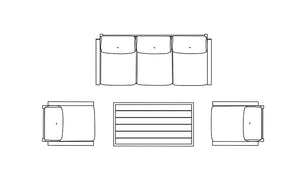
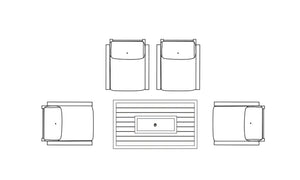
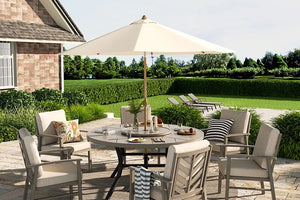
- Encourage Conversation – Arrange chairs in small circles or semi-circles rather than straight rows. This setup feels friendly and creates better flow.
- Balance Shade and Sun – Place some chairs under cover and others where sunlight reaches. People can choose what feels most comfortable.
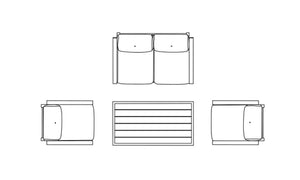
Small porches benefit from folding or stackable chairs that save space. Larger ones can include a mix of single chairs and loveseats to add variety. Adding plants or an outdoor rug nearby can also make the space feel more cohesive and relaxing.
Accessorizing Cozy Porch Seating
Small touches such as soft textiles and thoughtful lighting make outdoor seating more inviting. Functional accessories improve comfort, highlight the furniture, and create a setting that feels welcoming both day and night.
Adding Cushions and Throws
Cushions and throws increase both comfort and visual appeal. Weather-resistant fabrics like acrylic or treated cotton last longer outdoors, resisting moisture and UV fading. Choosing materials that dry quickly prevents mold and keeps cushions looking fresh.
They can store cushions in a bin or deck box to protect them from rain. Lightweight throws folded over chair arms or backs add warmth on cool evenings and make the porch feel more relaxed. For small spaces, selecting fewer, larger pillows avoids clutter.
Incorporating Side Tables and Lighting
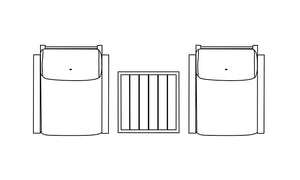
Side tables and lighting make porch seating areas more useful and comfortable. Small bistro or folding tables fit well beside chairs, providing a spot for drinks, reading glasses, or a plant. Tables made from metal, rattan, or treated wood handle moisture and temperature changes better than untreated materials.
Balanced lighting completes the arrangement. Lanterns, string lights, or battery-powered lamps provide a gentle, inviting glow without overwhelming the space. Positioning lights near seating improves visibility while keeping sight lines clear.
Soft, warm bulbs enhance comfort and help define zones for reading or conversation. A mixture of a single floor lantern with subtle overhead lighting works well for evening relaxation and keeps the area safe and usable after sunset.

Maintenance Tips for Long-Lasting Porch Chairs
Keeping porch chairs in good condition depends on consistent care and smart seasonal handling. Regular cleaning, protection from weather, and proper storage keep them sturdy and comfortable for years.
Cleaning and Care Guidelines
Dirt, pollen, and moisture can damage outdoor furniture if left alone. Cleaning should match the chair’s material. Wood benefits from mild soap and water followed by a light coat of oil or sealant once or twice a year. Metal frames should be wiped with a damp cloth and checked for rust—any spots can be sanded and covered with rust-resistant paint. Wicker or rattan needs gentle brushing to remove debris and should be dried fully to prevent mildew.
Small maintenance steps help avoid larger repairs later. Tightening loose screws or bolts prevents wobbling and keeps the frame steady. Cushions should be brushed off and air-dried often, especially after rain. Using removable, machine-washable covers makes upkeep simple.
Seasonal Storage Recommendations
Weather changes can quickly wear down porch furniture. During heavy rain or snow, storing chairs indoors or under a covered patio helps reduce moisture damage. If storage space is limited, waterproof furniture covers provide good protection while allowing airflow to prevent mold.
Before storing, chairs should be clean and completely dry to stop moisture buildup. Foldable or stackable designs save space in garages or sheds. For cold months, removing cushions and storing them separately in fabric bags or plastic bins keeps them from absorbing humidity.
Regular seasonal checks are also useful. At the start of each season, inspect for rust, loose joints, or fading finishes. Small touch-ups—such as tightening screws or applying a fresh sealant—can extend a chair’s lifespan and keep the porch looking well cared for.
Related Articles

Pool Chaise Lounge Features: Are Adjustable Bac...
Pool chaise lounge features like adjustable backs and wheels really shape comfort, mobility, and how long these chairs last. Adjustable backs almost always make the experience better, while wheels are...
Pool Chaise Lounge Features: Are Adjustable Bac...
Pool chaise lounge features like adjustable backs and wheels really shape comfort, mobility, and how long these chairs last. Adjustable backs almost always make the experience better, while wheels are...
Continue Reading
Outdoor Dining Chair Materials Compared: What A...
Outdoor dining chair materials shape comfort, durability, maintenance, and how well your chairs age outside. Metal brings strength and low upkeep, wicker gives you texture and style, cushioned seats boost...
Outdoor Dining Chair Materials Compared: What A...
Outdoor dining chair materials shape comfort, durability, maintenance, and how well your chairs age outside. Metal brings strength and low upkeep, wicker gives you texture and style, cushioned seats boost...
Continue Reading
Coffee Table vs Side Table: Height Rules & Spac...
Outdoor coffee tables and side tables need to match your sofa height and allow enough space for a comfortable, balanced layout. An outdoor coffee table should sit about 1–2 inches...
Coffee Table vs Side Table: Height Rules & Spac...
Outdoor coffee tables and side tables need to match your sofa height and allow enough space for a comfortable, balanced layout. An outdoor coffee table should sit about 1–2 inches...
Continue Reading