






Ultimate Patio Dining Set Buying Guide: Find the Perfect Fit for Your Space

Your patio can turn into a spot where meals just feel easier. With the right dining set, eating, hosting, and relaxing outside become part of your routine.
Finding the perfect patio dining set means matching your space, seating needs, and local weather with the right materials and table shape. The right choice supports how you eat outside, who you host, and how much maintenance you want to deal with.
This guide covers space planning, materials, style options, and handy add-ons. You'll also pick up some tips to help your set last and stay comfy year after year.
How to Assess Your Outdoor Space and Seating Needs
A patio dining set should fit not just your space but also your habits and the amount of company you usually have. Start with solid measurements, then match seating and table style to how you plan to use your outdoor area.
Measuring and Mapping Your Patio or Deck
Measure the full length and width of your patio, deck, or balcony. Jot down those numbers before shopping for outdoor furniture.
Leave at least 30–36 inches of open space around the table so people can pull out chairs and walk by. If your patio connects to a door or grill, keep those paths open.
Pay attention to the shape of your space. A narrow deck usually works best with a rectangular table. Square or open areas can handle round or square tables pretty well.
Seating Capacity and Group Size Considerations
Pick seating for the number of people you host most often, not just for special occasions. A set that fits your daily use feels more inviting.
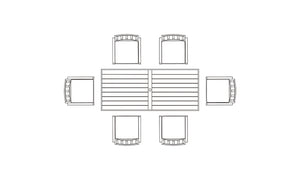
A 2–4 person set works for couples or small families. 4–6 person sets suit regular guests and family meals. If you have bigger groups, you'll need 6–8 seats or more and plenty of open space.
Think about flexibility. Extendable tables or benches can add seats without hogging space all the time. Armchairs take up more room than side chairs, so keep that in mind.
Don't overcrowd the area. Too many chairs make outdoor dining feel cramped.
Choosing Between Bistro, Standard, and Large Sets
Match the set style to both your space and how you live. Each type has its place.
●Bistro set: Best for balconies and tiny patios. Usually seats two. Easy to move and store.
●Standard patio dining set: Seats four to six. Works for most outdoor spaces and daily meals.
●Large dining set: Seats eight or more. Fits big patios and frequent get-togethers.
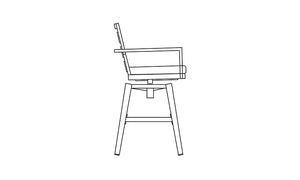
Check table height and chair size. Most dining tables are 28–30 inches high, great for relaxed meals. Choose materials that handle your weather and how often you'll use the space.
How to Select Patio Dining Set Materials
Material choice really shapes how your set handles weather, daily use, and upkeep. Focus on durability, comfort, and care before you fall for a style.
Weather-Resistant Options for Durability
Weather-resistant materials shield your patio furniture from sun, rain, and temperature swings. Aluminum and powder-coated steel resist rust as long as the finish stays intact. Aluminum is light and easy to move, while steel adds weight for windy spots.
Wood options vary a lot. Teak dining sets have natural oils that fight moisture and bugs. Teak can stay outdoors all year, but it costs more. Other woods need sealing and storage to stay in good shape.
Synthetic materials hold up well too. Resin wicker made from HDPE resists fading and cracking better than PVC. Pair it with aluminum frames for extra strength.
Comfort definitely matters. Go for performance fabrics with cushions—they resist fading, dry fast, and clean up with just soap and water.
Comparison of Wicker, Teak, Resin, and Metal Sets
Each material has its strengths. Here’s a quick comparison for outdoor dining sets:
|
Material |
Best For |
Key Benefits |
Trade-Offs |
|
Wicker dining set |
Casual patios |
Lightweight, textured look |
Quality varies by resin |
|
Resin wicker |
All-weather use |
UV-stable, low care |
Weave can loosen over time |
|
Teak dining set |
Long-term durability |
Strong, stable, classic |
Higher cost, heavier |
|
Metal (aluminum/steel) |
Modern spaces |
Rust-resistant, sturdy |
Can heat in direct sun |
Metal sets are good for small patios where you move furniture often. Teak works for bigger spaces where weight adds stability. Resin wicker offers comfort and weather resistance with moderate upkeep. Pick based on your climate, use, and the level of care you want to handle.
How to Choose Table and Seating Styles
Table shape, seating type, and design style all play into how you use your outdoor dining table. These choices affect comfort, movement, and how well your set works for entertaining.
Table Shapes: Round, Square, and Rectangle
Table shape controls both seating and how people move around. Round tables fit tight spaces and make conversation easy. They usually seat four to six people and fit small patios or balconies.
Square tables work well in compact layouts and create a balanced look. They seat two to four and help define small dining zones. You can tuck them near walls or railings.
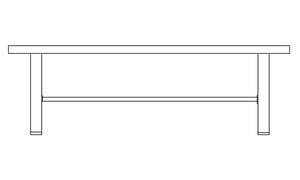
Rectangle tables give the most surface area. They fit six or more people and are best for long patios or decks. These tables hold shared dishes, serving trays, and group meals.

Bench, Chair, and Modular Seating
Seating style affects comfort and how flexible your setup is. Chairs give the most support and personal space. Cushioned chairs are great for longer meals and daily use.
Benches save space and seat more people. You can slide them under the table when not in use, making them good for casual dining. Benches pair well with chairs at the table ends.
Modular seating lets you add or remove pieces depending on your guest count. This is helpful if you host often and want to change up your patio layout.
Look for weather-resistant materials and washable cushions. These features keep maintenance down and extend your set’s use through the seasons.
Modern, Classic, and Farmhouse Designs
Design style sets the mood of your outdoor space. Modern designs have clean lines, neutral colors, and materials like metal or aluminum. They fit city patios and pair well with minimalist decor.
Classic styles focus on balance and detail. Wood or wicker frames with simple cushions give a timeless look. This style works in most backyards.
Farmhouse designs use solid wood, slatted tables, and warm finishes. They’re great for large patios and relaxed dining. This style feels right for family meals and long gatherings.
Try to match the design to your home’s exterior for a more cohesive vibe.
Don’t Forget Essential Accessories
The right features make outdoor dining more comfortable and protect your furniture. Accessories can help your patio dining set fit your space, climate, and lifestyle.
Umbrella Holes, Covers, and Shade Solutions
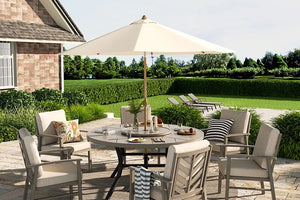
Shade makes a big difference when you eat outside. Many dining tables have a center umbrella hole—great for seated meals and even coverage. Check the hole size so it fits standard umbrellas, usually 1.5 to 2 inches.
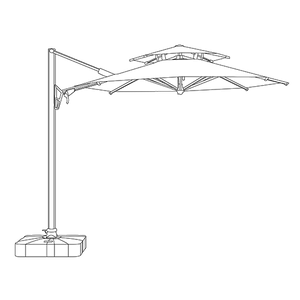
Use a weighted umbrella base to stop tipping, especially on windy days. For bigger areas, cantilever umbrellas or pergolas give wider shade without getting in the way.
Protect your set with weather-fit covers when not in use. Look for covers with vents to cut down on moisture and straps to keep them put. Covers help finishes last longer and mean less cleaning for you.
Cushions and Performance Fabrics
Comfort depends on cushion quality and fabric. Performance fabrics resist water, fading, and mildew, making them a solid choice for outdoor use. Popular options include solution-dyed acrylic and coated polyester.
Pay attention to cushion thickness and foam density. Thicker cushions make long meals more comfortable and reduce pressure points. Quick-dry foam comes in handy after rain and helps keep odors away.
Removable cushion covers with zippers make cleaning easier and let you swap covers without buying all new cushions. Store cushions in a dry bin if storms are in the forecast for a few days.
Storage, Folding, and Extendable Options
Flexible furniture helps you adapt for guests and space limits. Extendable tables add seats when needed and shrink down for daily use. Look for smooth tracks and solid locks.
Folding or stackable chairs make storage simple in small yards or balconies. These work well if you host now and then but want open space most of the time.
Benches with hidden storage keep cushions and accessories nearby.
How to keep Maintenance, Care, and Longevity
Simple care keeps your patio dining set looking good and safe to use. Regular cleaning, material-specific protection, and smart storage choices help shield your set from sun, rain, and temperature swings.
Cleaning and Protecting Different Materials
Clean your patio furniture regularly to stop stains and surface wear. Sweep off dirt and leaves, then wash with mild soap and water. Rinse everything well and let pieces dry completely.
Each material needs its own care routine. Powder-coated steel and aluminum resist rust, but check for chips and touch up spots to keep moisture out. Wood needs gentle cleaners and a sealant or oil once or twice a year to avoid cracking and fading. Resin wicker and plastic clean up easily but last longer with UV-protectant sprays.
Here's a quick care guide:
|
Material |
Key Care Step |
Protection Tip |
|
Powder-coated steel |
Wash and inspect |
Touch up scratches |
|
Wood |
Clean and oil |
Apply sealant |
|
Wicker/resin |
Rinse and wipe |
Use UV spray |
Storing Furniture for All Seasons
Store outdoor furniture properly to reduce weather damage. Clean every surface and dry it fully before putting anything away to prevent mold.
If you’ve got indoor space, move furniture into a garage or shed during winter or heavy storms. Stack chairs only if the maker says it’s safe, and keep tables off damp floors.
When outdoor storage is your only choice, use fitted covers made from weather-resistant materials. Secure them tightly so wind and water can’t sneak in.
For year-round use, shift furniture with the seasons. Move sets away from puddles and use furniture pads to help air circulate.

Frequently Asked Questions
What factors should be considered when choosing the material for patio dining furniture?
Pick materials based on weather, upkeep, and daily use. Hot sun, rain, salt air, and cold winters all play a role.
HDPE plastic handles moisture, fading, and cracking with barely any care. Metal, like aluminum or stainless steel, brings strength and doesn’t rust much if coated. Wood, such as teak, has a great natural look but needs regular sealing or oil to stay in good shape.
How can one determine the appropriate dining set size for their patio space?
First, measure the spot where the table will sit. Leave at least 36 inches of open space around the table so people can walk and pull out chairs.
Think about how you host. Small patios work best with bistro or four-seat sets. Larger patios can handle six to eight seats or an extendable table.
What are the best maintenance practices for outdoor dining sets to ensure longevity?
Grab some mild soap and water to clean off dirt and food spills. Give everything a good rinse, then let it dry out completely.
Keep cushions indoors when they're not in use. Covers help a lot during bad weather, and it's smart to check the hardware once or twice a year to make sure joints stay tight and stable.
Related Articles

What Is a Quick-Dry Foam/Seat Board? Best for R...
A homeowner invests in a gorgeous outdoor sofa set, arranges it beside the pool, and then one thunderstorm turns the cushions into soggy sponges that take two days to dry...
What Is a Quick-Dry Foam/Seat Board? Best for R...
A homeowner invests in a gorgeous outdoor sofa set, arranges it beside the pool, and then one thunderstorm turns the cushions into soggy sponges that take two days to dry...
Continue Reading
Sunbrella vs Olefin: Choosing the Best Outdoor ...
Introduction The fabric you choose for your outdoor cushions directly determines how long your patio furniture will look beautiful and remain comfortable. Outdoor furniture faces constant challenges from sun exposure,...
Sunbrella vs Olefin: Choosing the Best Outdoor ...
Introduction The fabric you choose for your outdoor cushions directly determines how long your patio furniture will look beautiful and remain comfortable. Outdoor furniture faces constant challenges from sun exposure,...
Continue Reading
How to Choose Furniture Covers: Waterproof vs B...
Introduction Protecting your outdoor furniture investment requires more than simply throwing a cover over it and hoping for the best. The key to effective furniture protection lies in understanding the...
How to Choose Furniture Covers: Waterproof vs B...
Introduction Protecting your outdoor furniture investment requires more than simply throwing a cover over it and hoping for the best. The key to effective furniture protection lies in understanding the...
Continue Reading