






Counter-Height vs. Bar-Height Patio Chairs: Choosing the Right Fit for Your Outdoor Space

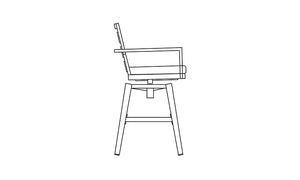
The difference between counter-height and bar-height patio chairs comes down to their height and how they fit with your space. Counter-height chairs usually measure about 24 to 26 inches from seat to floor and pair well with 36-inch tables, while bar-height chairs measure about 28 to 30 inches and suit 40- to 42-inch tables. These differences affect comfort, style, and how people interact in outdoor spaces.
Designers and patio furniture specialists often recommend matching chair height with table height to prevent awkward seating and ensure proper posture. That’s why understanding these dimensions matters before investing in your next outdoor set. In practice, the right fit makes every meal, drink, or conversation more comfortable.
This guide explains what counter-height and bar-height mean, how they differ in comfort and compatibility, and how to choose between them for your patio or balcony. It offers practical advice, measurements, and expert insights to help create a balanced and inviting outdoor setup.
What Is Counter-Height in Patio Furniture?
Counter-height patio furniture typically measures 34–36 inches at the tabletop, with seating about 24–27 inches high. This proportion mirrors a standard kitchen counter or island, making it easier for people to sit and rise without climbing up or down.
Because the height allows feet to rest closer to the ground, counter-height chairs work well for family meals, outdoor kitchens, and everyday dining. They provide a more natural sitting posture and align closely with standard counter spaces used for serving or food prep.
Pros:
- Easier entry and exit due to moderate seat height
- Comfortable for eating and working
- Compatible with built-in counters and grills
Cons:
- Less suited for standing guests who prefer tall tables
- May feel low when paired with high outdoor railings or views
Best use case: Counter-height sets fit small patios or deck dining areas that prioritize comfort and daily use over a bar-like experience.
What Is Bar-Height in Patio Furniture?
Bar-height patio furniture averages 40–42 inches tall at the tabletop, with chairs or stools measuring 28–30 inches in seat height. This extra elevation creates a sense of separation from ground-level activity and makes the space resemble an indoor pub or rooftop bar.
The added height encourages standing interaction and eye-level conversation with people nearby. It also improves sightlines for enjoying views across fences or balcony rails.
Pros:
- Ideal for socializing or serving drinks
- Enhances outdoor visibility and line of sight
- Provides a defined “bar” zone for entertaining
Cons:
- Taller stools may feel unstable on uneven surfaces
- Harder for children or shorter adults to access
Best use case: Bar-height sets complement outdoor bars, tall countertops, and scenic decks, where guests tend to stand or move around more than sit for meals.

Counter-Height vs Bar Height: Differences in Height, Comfort, & Table Compatibility
The main difference between counter-height and bar-height patio chairs comes down to their height and how they pair with tables.
1. Seat Height & Table Compatibility
-
Counter-Height Chairs:
○Seat Height: 24–26 inches from the ground
○Best With: Tables & counters that are 34–36 inches tall -
Bar-Height Chairs:
○Seat Height: 28–30 inches from the ground
○Best With: Taller tables (40–42 inches)
2. Comfort Differences
- Bar-Height: Because these chairs are taller, your feet won’t touch the ground as easily. Most have a footrest about 10–12 inches below the seat for extra support.
- Counter-Height: Keeps your feet closer to the ground, making it easier for people of all heights to sit comfortably. Footrests are lower (about 8–10 inches) for natural, relaxed seating.
3. Legroom & Stability
-
Bar-Height Chairs:
They can feel a bit less stable, especially on uneven patio surfaces. Look for ones with wide bases or crossbars if you want more steadiness. -
Counter-Height Chairs:
Lower to the ground and generally more stable, so they feel secure—especially if your patio isn’t perfectly flat.
How to Choose Between Table-Height and Counter-Height Patio Chair
Selecting the right patio chair height depends on how the space will be used and the type of table or surface it serves. The decision affects comfort, line of sight, and how people interact while seated or standing nearby.
When to Choose Bar-Height Patio Chairs
Bar-height patio chairs work best for raised entertaining areas such as outdoor bars, railings, and scenic overlooks. A bar-height table typically measures 40–42 inches, while the matching chair seat ranges from 28–30 inches high. This additional elevation aligns with high counters and lets seated guests maintain eye contact with those standing nearby.
The added height improves sightlines in spaces with views since it raises the user above railing levels. In small patios or decks, the vertical lift can also make the space feel more open. Because bar-height chairs stand taller, models with powder-coated aluminum frames help maintain stability while keeping weight low for easy movement.
In windy conditions, users should choose designs with wider bases or footrests to lower the center of gravity. For the user, this means less chance of tipping when placed near deck edges or uneven stone surfaces. These chairs also simplify standing-to-sitting transitions, which is useful in social spaces where people move often.
Best for:
- Outdoor bars or balcony railings
- Scenic or elevated views
- Frequent standing and sitting interaction
- Compact spaces needing visual height
When to Choose Counter-Height Patio Chairs
Counter-height patio chairs pair with 34–36 inch tables, and their seats typically measure 24–27 inches high. This setup matches most outdoor kitchen islands and dining sets, giving consistent reach and posture for eating or conversation. The moderate height allows both adults and older children to sit comfortably without foot strain.
In practice, counter-height seating strikes a balance between the grounded feel of dining chairs and the openness of bar seating. Because the base sits lower, these chairs resist tipping better in windy areas. Sets built with steel bases and resin wicker seats handle outdoor conditions well since the materials resist corrosion and moisture. For the user, this means stable seating that requires minimal maintenance.
Counter height also fits mixed-use patios where some guests prefer to stand while others sit. It works well in cooking zones because the surface aligns with the worktop, making food prep and serving easier without awkward bending.
Best for:
- Outdoor dining spaces
- Counter or island-height surfaces
- Family use with varied heights
- Wind-prone areas needing lower, stable seating
Space Planning: How Chair Height Affects Your Patio Layout
Chair height determines how much room people need to sit and stand comfortably.
Counter‑height chairs have seats about 24–27 inches high and pair with 34–36‑inch tables. Bar‑height chairs sit around 28–31 inches and match tables roughly 40–42 inches tall. The taller design increases vertical space use, which can make small patios feel tighter.
Allow at least 24–30 inches of width per chair for elbow room and 12 inches of clearance between the seat and tabletop for leg comfort. Because bar‑height sets raise the center of gravity, they fit better in open corners or areas without low railings. Counter‑height options, being lower, often work best near doorways or under patio roofs where space is limited.
For the user, this means measuring thoroughly before buying reduces crowding and keeps pathways clear. Adding a layout plan or simple grid sketch helps visualize movement zones and confirm that chairs slide out without bumping walls or tables.

Safety Tips for Taller Patio Chairs
Here are some essential tips to help keep things safe:
- Pick the Right Chair Design: Look for chairs with wide legs, cross-braced frames, or footrests that connect each leg. These features add extra support and help prevent tipping.
- Choose the Best Materials: Powder-coated aluminum frames resist rust and outdoor flexing, keeping chairs sturdy. Polymer foot caps help prevent slipping and protect your patio surface from scratches.
- Add Rubber Feet on Wood Decking: If you’re placing chairs on wood decking, attach rubber feet. These increase friction, reducing sliding and wobbling.
- Prioritize Stable Seating: Stable chairs let guests lean or rest their elbows comfortably, without risk of wobbling—especially important during busy gatherings.
- Anchor Your Furniture: Use heavier tables or weighted bases to secure large patio sets, particularly in windy areas, to prevent movement or tipping.
- Consider Your Guests: Counter-height chairs, being lower, are generally easier and safer for children or elderly guests to use.
Common Mistakes When Choosing Patio Chair Height
- One frequent mistake is not matching chair and table height. A bar‑height chair at a counter‑height table feels cramped, while a counter stool at a bar leaves feet dangling. Checking manufacturer specifications prevents mismatch before purchase.
- Another error involves ignoring floor slope. Even a small incline causes uneven chair motion or instability. Leveling shims or adjustable glides fix this problem cheaply and quickly.
- People also underestimate scale balance. A set too tall compared to railing height can block views or make a small balcony feel enclosed. Selecting furniture proportional to surrounding structures keeps the setting open and functional.
- Finally, skipping material testing leads to discomfort or wear issues. For example, powder‑coated steel resists scratches but heats under direct sunlight, while synthetic wicker stays cooler and lighter to move. For the user, that means balancing durability with comfort based on sunlight exposure and patio traffic.
Related Articles

Poolside Mold Prevention: Cushion Drying & Vent...
Poolside mold prevention starts with two rules: keep cushions dry and keep air moving. You prevent poolside mold by drying cushions for 30–60 minutes after use, letting them fully air-dry...
Poolside Mold Prevention: Cushion Drying & Vent...
Poolside mold prevention starts with two rules: keep cushions dry and keep air moving. You prevent poolside mold by drying cushions for 30–60 minutes after use, letting them fully air-dry...
Continue Reading
Pool Chaise Lounge Features: Are Adjustable Bac...
Pool chaise lounge features like adjustable backs and wheels really shape comfort, mobility, and how long these chairs last. Adjustable backs almost always make the experience better, while wheels are...
Pool Chaise Lounge Features: Are Adjustable Bac...
Pool chaise lounge features like adjustable backs and wheels really shape comfort, mobility, and how long these chairs last. Adjustable backs almost always make the experience better, while wheels are...
Continue Reading
Outdoor Dining Chair Materials Compared: What A...
Outdoor dining chair materials shape comfort, durability, maintenance, and how well your chairs age outside. Metal brings strength and low upkeep, wicker gives you texture and style, cushioned seats boost...
Outdoor Dining Chair Materials Compared: What A...
Outdoor dining chair materials shape comfort, durability, maintenance, and how well your chairs age outside. Metal brings strength and low upkeep, wicker gives you texture and style, cushioned seats boost...
Continue Reading