






Upgrade Your Poolside Experience With Stylish Pool Chairs For Ultimate Comfort And Design

Upgrading a poolside area starts with the right seating. Stylish pool chairs can define the atmosphere, balancing comfort, design, and practicality. Whether the space serves as a private retreat or a social hub, furniture choices influence how it feels and functions every day.
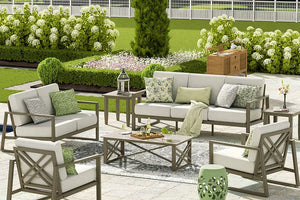
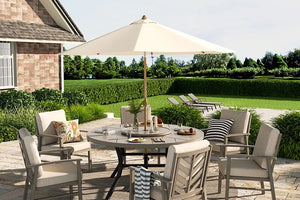
The right pool chairs elevate relaxation by blending durable materials, ergonomic comfort, and aesthetic appeal. They allow easy lounging on a sun shelf or by the pool deck while enhancing the space’s overall design. With options ranging from sleek modern loungers to classic wicker or teak frames, there’s a fit for every style and layout.
Selecting quality chairs also means investing in weather resistance, easy upkeep, and coordinated design elements. The rest of this guide explores how to choose the best pool chairs, align them with the pool’s aesthetic, and maintain them for lasting comfort and appeal.
Choosing the Right Pool Chairs
Selecting pool chairs depends on finding the ideal balance among construction quality, comfort, and available space. The right combination of materials, supportive design, and appropriate sizing ensures a setup that remains attractive, practical, and long‑lasting through changing seasons.
Materials and Durability
Pool chairs endure constant exposure to water, sunlight, and fluctuating temperatures, so material choice directly affects lifespan. UV‑resistant plastics such as Polywood and marine‑grade resin resist fading and warping, making them suitable for wet environments. Aluminum frames offer strength without rusting, while teak and eucalyptus woods provide a natural look when maintained with sealants.
For longevity, it helps to compare materials by how they handle outdoor stress:
|
Material |
Strength |
Maintenance |
Weather Resistance |
|
Polywood |
High |
Low |
Excellent |
|
Aluminum |
Medium‑High |
Low |
Excellent |
|
Teak |
High |
Moderate |
Very Good |
|
Wicker (synthetic) |
Medium |
Low |
Good |
Homeowners who expect heavy use should consider powder‑coated metals or composite blends, which withstand chlorine and saltwater better than standard finishes. Protective covers and regular cleaning with mild soap further extend service life.
Comfort and Ergonomics
Comfort determines how often the chairs get used, and ergonomics ensures posture support during long hours outdoors. Look for adjustable backrests, integrated head or lumbar support, and breathable sling fabrics that dry quickly after splashes. Chairs with contoured seating distribute body weight evenly, reducing pressure on the lower back and legs.
Padded or cushioned designs enhance relaxation but require weather‑resistant fabrics such as solution‑dyed acrylic or PVC‑coated polyester to prevent mildew. Lightweight frames make repositioning easier throughout the day. When testing models, checking for stable construction and smooth reclining motion helps identify options built for daily comfort rather than display.
For multifunctional spaces, sets with built‑in armrests or small side tables add everyday convenience while maintaining simplicity in layout.

Size and Space Considerations
Before purchasing, it is practical to assess the layout of the pool deck or tanning ledge. Each chair should leave at least 24–30 inches of clearance for movement and towel placement. Oversized loungers enhance comfort but limit walking paths, while smaller folding models fit compact or shared spaces.
The weight of a chair also influences usability. Heavier materials stay steady in windy areas, while lighter frames allow flexible arrangements for gatherings. It helps to measure the pool ledge depth if planning in‑pool furniture; many loungers are designed for water depths of 6–10 inches, providing full support without floating.
Design consistency matters for visual balance. Matching finishes and frame colors unify the environment, making each chair both functional seating and part of the overall aesthetic.
Top Pool Chair Styles for Modern Pools
Modern pool areas benefit from seating that combines durability, comfort, and simple upkeep. Design trends now favor materials that withstand sunlight and moisture, with shapes that support both relaxation and visual appeal.
Chaise Lounges
Chaise lounges remain a standard around pools because they support full-body relaxation while maintaining an adjustable design. Most models feature multi-position backs for sitting upright or lying flat. Popular materials include aluminum, resin wicker, and teak, each chosen for their weather resistance and minimal maintenance needs.
Cushioned versions provide extra comfort, though users should select quick-dry fabrics to prevent mildew. Slim, armless forms fit well on narrow pool decks, while wider framed options offer greater stability. Many homeowners pair two lounges with a compact side table for drinks and towels.
In terms of style, polished metal accents and neutral upholstery fit modern designs, while wicker or wood achieve a more natural look. The key consideration remains how well the lounge performs after frequent sun and water exposure.
Adirondack Pool Chairs
Adirondack chairs deliver a blend of familiarity and ergonomic support. Designed with a sloped seat and broad armrests, they encourage relaxed posture and often sit low to the ground—an advantage for casual conversation around the pool’s edge. These chairs now appear in HDPE (high-density polyethylene) materials that replicate wood grain but resist fading and cracking.
Many models fold or stack to simplify storage. Available finishes range from crisp white to bold coastal hues, fitting both modern and rustic poolsides. When used in sets, they create cohesive seating areas that complement loungers or side tables.
Compared to recliners, Adirondack chairs occupy less space while remaining sturdy and easy to clean. Their timeless design and longevity make them a reliable option for homeowners seeking durable, low-maintenance seating with recognizable comfort.
Zero Gravity Designs
Zero gravity chairs prioritize pressure distribution and ergonomic alignment, using a suspended frame that adjusts to the body’s weight. Inspired by aerospace seating, these chairs reduce strain on the spine and legs, encouraging longer lounging sessions without discomfort.
Frames typically use powder-coated steel or aluminum, while mesh fabrics enhance breathability. Locking mechanisms let users shift from upright reading positions to near-horizontal rest angles. Some variations include detachable headrests or clip-on trays for added convenience.
Zero gravity models excel for those wanting practical comfort over showpiece furniture. They fold compactly for storage, resist corrosion, and pair well with minimalist pool themes. Their simple structure demonstrates how functional engineering can coexist with restrained modern aesthetics.
Enhancing Comfort and Functionality
Designing a better poolside setup depends on how well each chair supports the body, withstands outdoor conditions, and integrates with convenient accessories. Durable materials, adaptive features, and thoughtful add-ons create a setup that balances leisure with practicality.

Adjustable Features
Pool chairs with adjustable backrests or reclining mechanisms allow users to switch between sitting upright, lounging, or lying flat. This flexibility supports reading, tanning, or resting without moving to a different chair. Multi-position settings also help reduce strain on the neck and lower back, adding ergonomic benefits.
Manufacturers often use ratcheting hinges or locking levers for stability and easier adjustment. Models designed for sun shelves or shallow pool ledges may include stationary bases that resist movement while still offering multiple recline angles.
Those who share pool furniture among different users often prefer lightweight resin or powder-coated aluminum frames that can be repositioned easily. The right combination of structure and flexibility determines long-term comfort and user satisfaction.
Cushions and Fabrics
The right cushions and fabrics extend both the comfort and lifespan of pool chairs. Outdoor-grade materials such as solution-dyed acrylic, olefin, or PVC-coated polyester mesh resist UV rays, fading, and water damage. These choices keep colors bright and prevent mildew growth in humid pool environments.
Foam cores made from reticulated foam or quick-dry fill allow moisture to pass through instead of collecting inside. Pairing breathable fabric with this type of filling ensures faster drying after splashing or rain.
A comparison of common outdoor fabrics:
|
Fabric Type |
Water Resistance |
UV Protection |
Maintenance Level |
|
Acrylic |
High |
Excellent |
Low |
|
Olefin |
Moderate |
Good |
Low |
|
Mesh |
High |
Moderate |
Very Low |
Removable covers with zippers or Velcro closures also help with cleaning and seasonal care, keeping the seating areas fresh year after year.

Accessories like Side Tables
Functional accessories increase convenience near the pool. Compact side tables or drink holders let users keep sunscreen, beverages, and reading materials within reach without leaving their chair. Choosing tables made of weather-resistant resin, aluminum, or teak prevents corrosion and warping.
Some modern designs integrate built-in cup recesses or hidden storage beneath tabletops. Others complement the chair’s height and color scheme, creating a visually cohesive layout. Adjustable tables with non-slip feet can remain steady on uneven deck surfaces or near pool edges.
For families or frequent hosts, grouping each lounger with its own side table keeps the space neat and functional. These small additions often define how easy and pleasant the poolside experience feels day to day.
Creating a Cohesive Poolside Aesthetic
A cohesive poolside design depends on visual harmony and functional balance. The right color choices and consistent styling across furniture, fabrics, and materials create a comfortable space that looks unified rather than cluttered.
Color Coordination
Coordinating colors around the pool helps the entire area feel organized and intentional. Neutral bases such as beige, gray, or white pair well with accent tones like navy, terracotta, or olive green. This mix keeps the look refined while allowing brighter hues to highlight certain features, such as cushions or umbrellas.
Homeowners can use pattern repetition to tie colors together. For example, striped pillows can echo the colors of pool tiles or planters. Wood or metal finishes in similar shades also create consistency, especially when paired with matching chair frames.
Practical materials should stay consistent too. Sun-resistant fabrics prevent fading, ensuring colors stay even over time. A small color palette with 3–4 complementary tones usually works best for long-term maintenance.
|
Palette Example |
Base Color |
Accent Color |
Materials |
|
Modern Neutral |
Light Gray |
Charcoal |
Aluminum, Sling Fabric |
|
Coastal |
White |
Navy Blue |
Teak, Canvas |
|
Natural |
Sand |
Olive |
Wicker, Linen |
Matching With Outdoor Décor
A consistent aesthetic extends beyond the chairs themselves. Pool furniture should align with nearby architectural details, such as patio tiles, pergolas, or exterior walls. Selecting chair materials that echo these elements builds a seamless connection between spaces.
Accessories finish the look. Matching planters, lighting, or side tables in the same tone or finish as chair frames create visual flow. Textiles like outdoor rugs or throw pillows can share similar patterns or materials, linking seating areas together without overwhelming the eye.
They can also balance textures—smooth metal alongside woven fabrics or stone helps avoid monotony. Each detail contributes to a unified, polished environment that feels thoughtfully designed rather than pieced together.
Maintenance Tips for Pool Chairs
Regular upkeep prevents damage from sun, water, and chemicals while extending the lifespan of pool chairs. Proper care focuses on safe cleaning methods and smart seasonal storage that protect materials such as aluminum, teak, resin, and fabric mesh.
Cleaning Techniques
Frequent cleaning keeps chairs comfortable and visually appealing. They should rinse off salt, sunscreen, and chlorine residue using a low‑pressure hose and mild soap solution. Tough dirt on metal or synthetic wicker responds well to a soft brush, while teak benefits from a gentle scrub and periodic oiling to maintain its tone.
Avoid harsh solvents or bleach since they degrade finishes and weaken materials. For fabric slings, use a mix of warm water and mild detergent, then allow full air drying to prevent mildew. Spot treatment of stains early reduces discoloration, especially on light fabrics.
Recommended cleaning schedule:
|
Material |
Frequency |
Notes |
|
Aluminum |
Bi‑weekly |
Check for oxidation; apply protective wax when dull |
|
Teak |
Monthly |
Lightly sand surface once a year |
|
Resin/Wicker |
Weekly |
Rinse and remove debris between weaves |
|
Fabric Mesh |
Every two weeks |
Rinse thoroughly and air dry |
Consistent cleaning helps maintain comfort, color, and durability without major restoration work later.
Storage Solutions
Seasonal storage preserves structural integrity and appearance. Keep chairs in a clean, dry area when not in use for extended periods. Covered patios, garages, or weatherproof sheds offer reliable protection from UV rays and rain.
Before storage, ensure the furniture is completely dry to prevent mold. Stack or position pieces upright to minimize pressure on frames and joints. For folding or lightweight models, secure them to prevent tipping during strong winds.
Protective covers made from breathable, water‑resistant fabrics limit condensation and fading. If outdoor storage is necessary, elevate furniture slightly above ground level using pallets or risers to avoid moisture pooling. Regular inspection throughout the off‑season ensures no pest or water damage occurs before the next pool season begins.
Related Articles

How to Build an Outdoor Bar: Step-by-Step DIY G...
Building an outdoor bar means creating a sturdy, weather-resistant serving station with a level base, exterior-rated lumber, a durable countertop, storage, seating space, and proper sealing. This guide explains how...
How to Build an Outdoor Bar: Step-by-Step DIY G...
Building an outdoor bar means creating a sturdy, weather-resistant serving station with a level base, exterior-rated lumber, a durable countertop, storage, seating space, and proper sealing. This guide explains how...
Continue Reading
11 Small Backyard Landscape Ideas to Maximize Y...
Maximize a small backyard by utilizing vertical gardens, zoning functional areas with rugs, and selecting multi-functional furniture such as fire pit tables. These strategies effectively expand perceived square footage and...
11 Small Backyard Landscape Ideas to Maximize Y...
Maximize a small backyard by utilizing vertical gardens, zoning functional areas with rugs, and selecting multi-functional furniture such as fire pit tables. These strategies effectively expand perceived square footage and...
Continue Reading
How to Keep Cats Off Outdoor Furniture: 9 Prove...
Effectively keeping cats off outdoor furniture requires a strategic combination of natural repellents, physical barriers, and behavioral redirection. Felines target patio cushions for their elevated vantage points and soft textures,...
How to Keep Cats Off Outdoor Furniture: 9 Prove...
Effectively keeping cats off outdoor furniture requires a strategic combination of natural repellents, physical barriers, and behavioral redirection. Felines target patio cushions for their elevated vantage points and soft textures,...
Continue Reading