
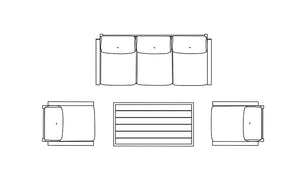
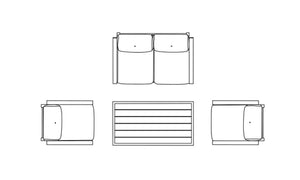
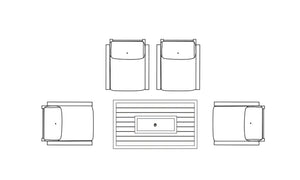
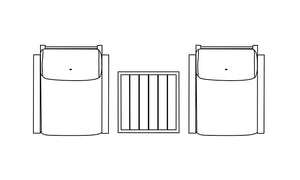


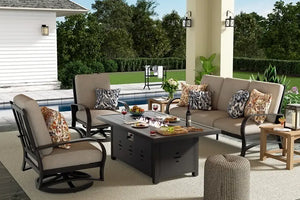




Fire Pit Table Buying Guide: Expert Tips for Selecting the Perfect Outdoor Centerpiece

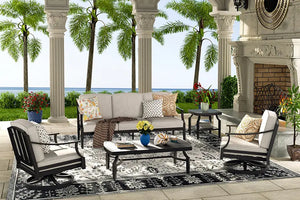
A fire pit table is an outdoor table with a built-in burner that creates a controlled flame for warmth and ambiance. Unlike a traditional fire pit, it includes a flat tabletop surface for placing drinks or snacks, making it both functional and decorative.
Choosing the right fire pit table means understanding how fuel types, BTU output, size, and materials affect performance, heat, and durability. With expert guidance from PeakHome, this buying guide explains what to consider—so you can pick a table that enhances comfort, style, and year-round outdoor enjoyment.
Fire Pit Table Fuel Options: Propane, Natural Gas, or Wood?
Fuel type defines how a fire pit table performs in heat output, convenience, and installation requirements. Each option differs in cost, maintenance, and appearance, affecting the experience and practicality of an outdoor setup.
Propane Fire Pit Table
Propane fire pit tables use liquid propane (LP) tanks, usually stored in or beneath the table base. They ignite quickly and produce a steady, clean flame with no ash or soot. Homeowners often prefer propane for its portability and ease of use.
Pros:
● Simple setup with no need for a gas line
● Instant ignition and adjustable flame height
● Clean-burning fuel with low emissions
Cons:
● Requires periodic tank replacement or refilling
● Tanks can limit burn time to 8–12 hours
● Propane refills cost more per unit than natural gas
Propane suits users who value flexibility, especially in rental homes or patios without hard gas connections.
Natural Gas Fire Pit Table Pros and Cons
Natural gas models connect directly to a home's gas line, providing a continuous and steady fuel supply. Once connected, users avoid refilling tanks and enjoy lower ongoing fuel costs compared to propane.
Pros:
● Constant access to fuel—no refills needed
● Lower cost per hour of use
● Stable, controllable heat output
Cons:
● Requires professional installation and a fixed gas line
● Less portable; the table must stay near the connection
● Higher upfront setup expense
Natural gas fire pit tables fit permanent outdoor spaces, such as built-in patio features or established seating areas where flexibility is less important.

Wood-Burning Fire Pit Table Situations
Wood-burning tables provide a traditional flame and crackling sound, appealing to those who value a campfire feel. They deliver substantial heat and work even without utility connections.
Pros:
● High heat output and authentic fire experience
● No fuel tanks or gas fittings
● Wood availability in many areas
Cons:
● Produces smoke, soot, and ash cleanup
● Fire starting and extinguishing take effort
● May be restricted by local fire codes
Wood-burning tables make sense for homeowners in open-air settings with ample ventilation and fewer burn restrictions, seeking the sensory experience of real flames.
Bioethanol Fire Pit Table as a Niche Option
Bioethanol fire pit tables use clean-burning alcohol-based fuel derived from plant sources. They emit no smoke, soot, or ash, which makes them suitable for balconies, smaller patios, or semi-enclosed areas.
Pros:
● Easy lighting and odor-free operation
● Produces no harmful emissions
● Portable and low-maintenance
Cons:
● Lower heat output than gas or wood
● Fuel can be costly over time
● Limited flame control and shorter burn times
A bioethanol option serves buyers prioritizing air quality and style over heat intensity, often complementing modern or space-conscious outdoor designs.
Fire Pit Table BTU Guide: How Much Heat Does Your Fire Pit Table Really Need?
BTU, or British Thermal Unit, measures how much heat a fire pit table produces. Higher BTU means more heat, but more is not always better—your space size, climate, and seating distance all affect how warm the fire feels.
What are Recommended BTU Ranges?
We recommend BTU ranges according to the space as below:
|
Space Size |
BTU Range |
Best For |
|
Small (under 150 sq ft) |
20,000–35,000 BTU |
Balconies, small patios |
|
Medium (150–300 sq ft) |
40,000–60,000 BTU |
Most backyard seating areas |
|
Large (300+ sq ft) |
65,000–125,000 BTU |
Open yards, poolside setups |
What Changes How Warm the Fire Feels
● Wind reduces heat quickly. Even a 60,000 BTU table feels cooler in breezy areas. A glass wind guard helps.
● High altitude lowers flame strength. Thin air means weaker combustion—mountain regions may need 10–20% more BTUs.
● Seating distance matters. The closer people sit, the warmer it feels.
When High BTU Becomes Overkill
High-BTU tables can overwhelm small patios or mild climates. Too much heat wastes fuel and makes seating uncomfortable. The goal is steady, comfortable warmth—not maximum firepower.
Fire Pit Table Size and Shape: Matching Your Fire Pit Table to Your Patio Layout
Choosing the right size and shape helps your fire pit table fit the space comfortably and safely. Start by measuring your patio and leaving enough room for seating and movement.
How to Size Your Fire Pit Table?
● Leave at least 3 ft of clearance around the table.
● Allow 18–24 inches of space for each chair.
● Make sure the table does not block walkways or crowd the seating area.
Best Table Shapes for Different Layouts
● Round – great for small patios and close seating; encourages conversation.
● Square – balanced look and easy to center in compact spaces.
● Rectangular – ideal for sectionals or long seating areas; offers more table surface.
Fire Pit Table Materials and Build Quality: What Your Fire Pit Table Is Really Made Of
The material of a fire pit table defines how it performs, weighs, and weathers over time.The materials for the fire pit include frame materials, table top materials and burner.
Frame materials include aluminum, steel, resin wicker, and concrete or stone.
● Aluminum resists rust, stays lightweight, and works well in humid or coastal environments.
● Steel provides strong structural support, but it needs a
● Resin wicker (woven over metal) adds texture with low maintenance and good weather tolerance.
● Concrete or stone offers stability and a natural aesthetic but is heavier and less portable.
Burner quality also affects longevity.
● Stainless steel burners handle heat and moisture reliably, making them the most common choice.
● Brass burners resist corrosion exceptionally well and offer precise flame control, though at a higher price.
Tabletop materials—such as tempered glass, ceramic, stone, tile, or composites—shape both style and upkeep.
● Glass and ceramic clean easily and provide a polished look.
● Stone and tile feel solid and natural but may require more care to prevent staining.
● Composite tops balance durability, weight, and weather resistance.
This combination of frame, burner, and tabletop materials ultimately determines the table’s lifespan, appearance, and ease of maintenance.
How to Use a Fire Pit Table Safely?
Follow the tips below to use a fire pit table safely:
Keep placement safe. Set the table on a flat, non-flammable surface. Leave 6 ft around and 8 ft above for clearance.
Protect decks. Use a heat-resistant pad on wood or composite decks and confirm the table is deck-approved.
Choose safe features. Pick models with auto-shutoff, flame control, and a glass wind guard.
Keep kids and pets safe. Create a 3-ft no-go zone and never leave the fire unattended.
Handle fuel carefully. Use only the recommended fuel. Store propane tanks upright and away from heat.
Check regulations. Review local fire codes and HOA rules before installing.
Fire Pit Table Maintenance: Simple Ways to Keep Your Fire Pit Table Looking New
Regular maintenance keeps your fire pit table clean, safe, and long-lasting. Follow these simple steps:
● Clean Regularly – Wipe the tabletop and burner with mild soap and a soft cloth. Remove debris to avoid stains or corrosion.
● Use a Cover – Protect the table with a weather-resistant cover to prevent UV fading, rust, and dirt buildup.
● Inspect Parts – Check gas lines, ignition, and fittings. Replace worn components to ensure safe performance.
● Seasonal Storage – Store portable units indoors during winter. For fixed tables, disconnect gas and keep the burner dry.
● Protect Surfaces – Apply a sealant suited for stone, metal, or composite tops to maintain color and prevent weather damage.
● Safety Check – Keep flammable items away and ensure ventilation openings stay clear. Let the table cool fully before covering.

Keep your fire pit table in top condition year-round with our fitted **Outdoor Furniture Covers**.
Fire Pit Table Accessories: Small Add-Ons That Make Your Fire Pit Table Way Better
Fire pit table accessories are supplementary items designed to enhance the functionality, safety, and aesthetic appeal of fire pit tables. Below are popular fire pit table accessories you should know:
● Glass Wind Guards – These tempered glass panels block wind and keep the flame steady.
● Protective Covers – A fitted, weatherproof cover shields the table from rain, snow, dust, and UV rays.
● Fire Media – Fire glass or lava rocks help distribute heat and enhance the flame’s appearance. Glass gives a reflective, modern look, while lava rock feels more natural.
● Other add-ons—like tank covers, tabletop lids, and tool sets—are optional upgrades that improve convenience or style but aren’t essential for most setups.
Fire Pit Table Checklist: A Simple Fire Pit Table Buying Checklist You Can Screenshot
A fire pit table checklist helps buyers evaluate essential factors—such as size, fuel, and materials—to ensure the table fits their outdoor space, lifestyle, and safety needs.
● Purpose – Identify how the fire pit table will be used: for dining, ambiance, or warmth. This guides decisions about size and design.
● Fuel Type – Choose between propane, natural gas, or wood-burning based on convenience, local regulations, and maintenance preferences.
● Size & Shape – Measure the outdoor area and allow at least 3 feet of clearance from surrounding furniture and walls for safe, comfortable use.
● Material – Select durable materials like aluminum, steel, or concrete for longevity and weather resistance. Check that tabletops are heat-resistant.
● BTU Output – Confirm that the heat output matches the intended use. Low BTUs suit intimate gatherings, while higher levels work for larger groups.
● Ignition System – Look for reliable push-button or electronic ignition for gas models. Simplicity and safety should guide this choice.
● Design Style – Match the fire pit table’s finish, color, and shape to existing outdoor décor for a cohesive appearance.
● Safety Features – Ensure it includes a flame guard, sturdy base, and complies with local fire codes.
● Maintenance – Opt for easy-clean surfaces and removable components. Check manufacturer care recommendations to prevent corrosion or fading.
● Budget – Compare options within set spending limits, balancing desired features with long-term quality.
Conclusion
At PeakHome, we design outdoor pieces that make your space warmer, more comfortable, and easy to enjoy year-round. If you're ready to find a fire pit table that matches the features in this guide—proper BTU output, quality materials, and a style that fits your patio—our curated collection is a great place to start.
We offer a selection of propane fire pit tables and coordinated outdoor seating sets built to be durable, safe, and easy to use. Explore our fire pit table collection to discover the right centerpiece for your outdoor space.
Related Articles

First-Time Patio Checklist: The 3 Categories Yo...
Furnishing a patio for the first time can feel overwhelming. Dozens of product types, materials, and price points compete for attention, and without a clear plan, most beginners either overspend...
First-Time Patio Checklist: The 3 Categories Yo...
Furnishing a patio for the first time can feel overwhelming. Dozens of product types, materials, and price points compete for attention, and without a clear plan, most beginners either overspend...
Continue Reading
How to Build a Year-Round Outdoor Lounge: The C...
Introduction There's something magical about gathering outdoors as the sun sets and the temperature drops. While summer patios buzz with activity, the true secret to maximizing your outdoor living investment...
How to Build a Year-Round Outdoor Lounge: The C...
Introduction There's something magical about gathering outdoors as the sun sets and the temperature drops. While summer patios buzz with activity, the true secret to maximizing your outdoor living investment...
Continue Reading
Outdoor Dining Layout Templates: Traffic Flow f...
Most homeowners select outdoor dining furniture by appearance or price — then realize chairs cannot pull out without scraping the railing, or that carrying food from the grill means squeezing...
Outdoor Dining Layout Templates: Traffic Flow f...
Most homeowners select outdoor dining furniture by appearance or price — then realize chairs cannot pull out without scraping the railing, or that carrying food from the grill means squeezing...
Continue Reading