






Outdoor Dining Chair Materials Compared: What Are the Differences Between Metal, Wicker, Cushioned, and Quick-Dry Sling Seats? A Clear Guide to Durability, Comfort, and Maintenance

Outdoor dining chair materials shape comfort, durability, maintenance, and how well your chairs age outside. Metal brings strength and low upkeep, wicker gives you texture and style, cushioned seats boost comfort but need extra care, and quick-dry sling fabric offers breathable, fast-drying support.
Patios get hit by sun, rain, and big temperature swings, so the material really matters for how long a chair lasts. Metal frames like aluminum resist rust and hold heavier weight, while steel adds extra strength but needs a protective coating.
Wicker, including resin wicker, creates a woven look and works best in covered or shaded spots. Cushioned outdoor dining chairs use foam and fabric for comfort, but you'll need to store them or use weather-resistant covers.
Quick-dry sling seats stretch mesh fabric across a metal frame, letting air flow and water drain fast. Peak Home Furnishings looks at structure, fabric, climate fit, and maintenance when evaluating outdoor dining chairs.
This guide compares metal, wicker, cushioned, and sling fabric chairs and explains when options like Canyon Series sling chairs or Amario Series cushioned chairs make sense for your patio.
What Are the Main Types of Outdoor Dining Chair Materials?
Outdoor dining chair materials generally fall into four groups: metal, wicker, cushioned, and sling.
-
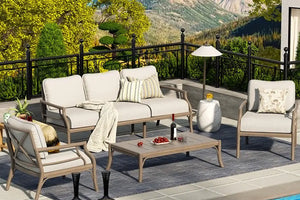
Metal Frames (Aluminum, Steel): Metal chairs use sturdy frames for strength and support. Aluminum naturally resists rust, so it's good for humid or coastal spots. Powder-coated steel holds more weight but needs a protective layer to avoid rust.
-
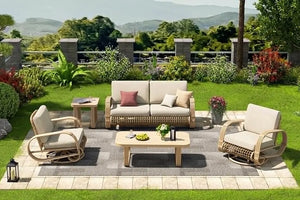
Wicker and Rattan (Natural vs. Synthetic HDPE): Wicker is the woven style, while rattan is the material itself. Natural rattan gives you organic texture but soaks up moisture, so keep it under cover. HDPE resin wicker uses high-density polyethylene over aluminum, boosting UV resistance and cutting down on cracking.
-
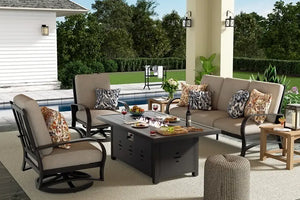
Cushioned Seating (Foam and Fabric Covers): Cushioned chairs add padding to a solid frame for comfort during long meals. Polyurethane foam is softer and budget-friendly, while high-density foam keeps its shape longer. Fabric covers like solution-dyed acrylic resist fading because the color goes all the way through the fiber.
-
Sling or Quick-Dry Fabric (PVC-Coated Polyester, Textilene): Sling chairs stretch mesh fabric across a metal frame, so you don't need loose cushions. PVC-coated polyester and Textilene let air flow and water drain, so they dry quickly after rain and are easy to care for.
What Are the Advantages and Disadvantages of Metal Outdoor Dining Chairs?
Metal outdoor dining chairs use aluminum, steel for strength and a clean look, but they can get hot and may rust. The material you choose affects weight, comfort, upkeep, and how long the chair really lasts.
Advantages of Metal Outdoor Chairs
The following are the advantages of metal outdoor chairs:
-
Durability and Structural Strength: Metal frames don’t bend or crack easily. Steel has high tensile strength, so they handle heavier use and users without much trouble.
-
Weather Resistance (Especially Aluminum): Aluminum forms a protective layer that stops rust. It works especially well in humid or coastal climates where moisture wrecks other materials.
-
Low Maintenance Requirements: Powder-coated finishes shield the surface from corrosion and fading. You usually just need mild soap and water to clean them.
-
Modern Aesthetic Options: Metal can be shaped into thin lines or curves, so you get lots of design choices—from minimalist to more decorative styles.
-
Stackable Designs for Storage: Lightweight aluminum chairs often stack, which is a lifesaver when you need to store them for the season.
Disadvantages of Metal Outdoor Chairs
The following are the disadvantages of metal outdoor chairs:
-
Heat Retention in Direct Sunlight: Metal heats up fast in the sun. Seats and backs can get too hot to use unless you add cushions.
-
Potential for Rust (Steel): Steels have iron in them, so they rust if the coating chips and moisture gets in.
-
Less Comfortable Without Cushions: Solid metal seats don’t give or pad your body, so sitting for a long meal can get uncomfortable.
-
Can Be Heavy (Steel): Steel chairs are heavy. Moving them around isn’t much fun.
-
Prone to Scratches and Dents (Aluminum): Aluminum is lighter but softer than steel. It dents and scratches more easily, sometimes exposing the metal underneath.

What Are the Advantages and Disadvantages of Wicker Outdoor Dining Chairs?
Wicker outdoor dining chairs use woven natural fibers or synthetic resin for a textured, lightweight seat with unique care and durability needs. The material you pick changes how well it handles weather, how comfy it feels, and how much work you’ll put into upkeep.
Advantages of Wicker Outdoor Chairs
The following are the advantages of wicker outdoor chairs:
-
Classic appearance: Wicker’s woven look adds texture and a relaxed vibe. It goes with wood, metal, or glass tables and works for both modern and traditional patios.
-
Lightweight frame: Wicker chairs usually have aluminum or light steel frames under the weave, so you can move and stack them easily—way easier than solid wood chairs.
-
Breathable seat structure: The weave lets air flow through, which keeps the seat cooler than solid metal or plastic.
- Weather-resistant options: Synthetic resin wicker stands up to rain and humidity better than natural rattan. Polyethylene fibers help many models resist rust, moisture, and fading.
Disadvantages of Wicker Outdoor Chairs
The following are the disadvantages of wicker outdoor chairs:
-
Temperature stress: Extreme heat or freezing can dry out or crack the weave, so these chairs don’t last as long in places with wild temperature swings.
-
Debris buildup: The weave creates small gaps where dirt and leaves can get stuck. Cleaning them sometimes means brushing or vacuuming those spots.
-
Quality variation: Not all wicker is created equal. Cheap models with thin fibers or loose weave might sag or unravel a lot faster than better-made versions.
-
Sun exposure limits: Too much UV can fade natural fibers and weaken some resins, so shaded patios are usually better than spots in full sun.
What Are the Advantages and Disadvantages of Cushioned Outdoor Dining Chairs?
Cushioned outdoor dining chairs use padded inserts and fabric covers for comfort but need more care than solid or sling seats. Their design changes how comfy they feel, how much you have to clean them, and how much they cost in the long run.
Advantages of Cushioned Outdoor Chairs
The following are the advantages of cushioned outdoor chairs:
-
Maximum Comfort for Extended Seating: High-density foam or polyester fill spreads your weight out, reducing pressure on your hips and back. You can sit longer without getting sore.
-
Pressure-Relieving Support: Thick cushions (usually 2–4 inches deep) absorb impact and ease joint strain, which helps your posture during meals.
-
Indoor-Like Comfort Outdoors: Upholstered seating feels a lot like your indoor dining chairs. Weather-resistant fabrics like solution-dyed acrylic blend softness and UV resistance.
-
Wide Variety of Colors and Patterns: Fabric covers come in all sorts of colors, stripes, and prints, so it’s easy to match them to umbrellas or table décor.
-
Easy Style Updates with Cushion Changes: Removable covers or separate cushions let you swap out styles without buying new chairs.
Disadvantages of Cushioned Outdoor Chairs
The following are the disadvantages of cushioned outdoor chairs:
-
Requires Regular Maintenance: Fabric collects dirt, pollen, and spills. You’ll need to clean cushions with mild soap and water to keep them looking good and prevent stains.
-
Slower Drying After Rain: Foam holds water longer than mesh or metal seats, so cushions can take hours to dry after a rain.
-
Cushions Need Storage in Bad Weather: Heavy rain or frost can ruin the fabric and filling. Storing cushions in a deck box or indoors helps them last longer.
-
Higher Replacement Costs: Well-made outdoor cushions with UV-resistant fabric and quick-dry foam cost more and wear out sooner than metal or wicker frames, so you’ll spend more over time.
-
Potential for Mold and Mildew: Damp padding creates a humid spot inside the cushion. Mold can grow if there’s not enough ventilation, leading to odors and fabric breakdown.
What Are the Advantages and Disadvantages of Quick-Dry Sling Fabric Outdoor Chairs?
Quick-dry sling fabric outdoor chairs use a stretched mesh seat over a metal frame. This setup affects comfort, maintenance, how long they last, and their overall look—sometimes in ways you might not expect.
Advantages of Sling Fabric Outdoor Chairs
The following are the advantages of sling fabric outdoor chairs:
-
Rapid Drying: Sling seats use PVC-coated polyester or similar synthetic fibers that don’t soak up water. Water drains through the mesh, so the chair dries within hours after rain. You can get back to relaxing way sooner than if you had to wait for thick cushions to dry out.
-
Mold and Mildew Resistance: Synthetic yarns don’t have natural fibers, so mold and mildew don’t stand a chance. This keeps your chairs looking clean, especially in humid climates.
-
Breathability: The perforated weave means air moves freely between you and the seat. Heat escapes, so the chair feels cooler than metal or thick cushions on a hot day.
-
Low Maintenance: The smooth surface wipes clean with just a little soap and water. No removable cushions means you don’t have to scramble to store pads every time a storm rolls in.
-
Lightweight and Stackable: Aluminum frames and sling mesh keep these chairs light. Many models stack up, making storage way easier.
-
Modern Appearance: The slim profile and exposed frame give off a clean, modern vibe. It’s a look that really works on minimalist patios.
Disadvantages of Sling Fabric Chairs
The following are the disadvantages of sling fabric outdoor chairs:
-
Less Plush Comfort: Sling mesh shapes to your body but doesn’t have foam padding. It feels firmer than a cushioned dining chair, especially if you’re sitting for a while.
-
Fabric Replacement Cycle: Sun and weather slowly weaken synthetic threads. Depending on your climate and how much you use them, you might need to replace the sling panel every 5–10 years.
-
Limited Design Range: Most manufacturers stick to neutral colors like black, gray, or beige. If you love bold patterns, your options are limited compared to what you’d get with cushions.
-
Cool Surface in Cold Weather: The thin mesh doesn’t trap heat. When it’s chilly, the seat can feel cold—something to keep in mind for spring or fall.
-
Potential Stretching: Over time, weight and heat can stretch the fabric. If the seat sags, you’ll need to re-sling it to get the support back.

What Are the Key Differences Between Metal, Wicker, Sling Fabric, and Cushioned Outdoor Dining Chairs?
Metal, wicker, sling fabric, and cushioned outdoor dining chairs differ in structure, comfort, weather resistance, upkeep, lifespan, style, and price.
-
Metal Outdoor Chairs:
-
Structure: Aluminum or steel frames feel sturdy. Aluminum in particular shrugs off rust, so it’s great for wet climates.
-
Comfort: The surface is hard, so most folks add seat cushions for longer meals.
-
Maintenance: Aluminum barely needs care. That’s a relief if you don’t want to fuss with your furniture.
-
Lifespan: They can last 15–25 years, depending on the finish.
-
Style & Price: You’ll find everything from modern to traditional designs. Prices usually range from budget to mid-range.
-
-
Wicker Outdoor Chairs:
-
Material Type: There’s synthetic HDPE wicker. HDPE resists moisture, but natural fibers soak it up.
-
Comfort: The woven texture lets air flow, which helps in warm weather.
-
Durability: Synthetic wicker can last 10–15 years.
-
Maintenance & Style: Synthetic wicker is low maintenance and fits coastal or boho styles. Prices are usually in the budget to mid-range.
-
-
Sling Fabric Outdoor Chairs:
-
Seat System: Tensioned mesh fabric attaches to a metal frame. Quick-dry textiles drain water fast.
-
Comfort: The flexible support conforms to your body and stays cool and breathable.
-
Maintenance & Lifespan: Very little care needed. Fabric usually lasts 5–10 years, frames 15–20 years. Prices are budget to mid-range.
-
-
Cushioned Outdoor Chairs:
-
Padding: Thick foam cushions add depth and comfort for long dining sessions.
-
Weather Limits: You’ll need covers for the fabric and foam, or they’ll wear out faster.
-
Lifespan & Cost: Cushions last 3–8 years, frames 10–20 years. Expect to pay more for these.
-
How to Choose the Right Outdoor Dining Chair Material for Your Patio?
Picking the right outdoor dining chair material really comes down to your climate, maintenance style, space, and comfort needs.
-
Climate Fit: Your local weather makes a huge difference. In hot, sunny areas, aluminum frames with sling fabric resist fading and stay cool. If it’s humid or rainy, quick-dry sling and synthetic wicker help fight mold. Near the coast, powder-coated aluminum or HDPE wicker stand up to salty air.
-
Maintenance Level: If you hate upkeep, go for aluminum, sling fabric, or resin wicker. They resist rust and clean up easily. If you don’t mind a little work, cushioned seating can look great, but you’ll need to store or clean them more often.
-
Usage Type: How often you use your chairs matters. For big gatherings, metal frames can take the wear and tear. For daily quick meals, sling or bare metal seats are easy to wipe down and dry fast.
-
Comfort Requirement: If you’re sitting for hours, cushioned chairs provide more padding and support. For shorter meals, sling seats offer flexible support without the bulk.
-
Space Constraints: Small patios or balconies? Stackable sling or lightweight metal chairs save space. If your patio’s covered, you can go for cushioned designs since they won’t get soaked.
When Should You Choose Sling Fabric Chairs Like the Canyon Series?
Sling fabric chairs like the Canyon Series really shine in outdoor spaces where you want fast drying, low upkeep, and steady support—especially if it’s wet or humid.
-
Pool Deck or Spa Area: Mesh sling fabric lets water drain right through. The chair dries much faster than cushions, which can trap moisture and take ages to dry.
-
Humid Climates: PVC-coated polyester or similar mesh stands up to mildew and rot. Natural fibers can soak up moisture, but sling material keeps its color and shape even in sticky weather.
-
Busy Families with Minimal Cleaning Time: Sling chairs wipe clean with a little soap and water. They’re a breeze compared to wicker that traps debris or cushions that need deep cleaning.
-
Frequent Rain Exposure: The open weave lets air flow and water escape. Tensioned fabric over a metal frame means no soggy padding—your chair’s ready to use soon after a storm.
-
Small Storage Spaces: Sling chairs usually have lightweight aluminum frames. They’re easy to move and stack, which is perfect if storage is tight.
- Modern Aesthetic Preferences: Sling seating has clean lines and a slim profile. If you’re into contemporary patio looks, these chairs fit right in.
When Should You Choose Cushioned Chairs Like the Amario Series?
Cushioned chairs like the Amario Series make sense when comfort, climate, and style matter more to you than low maintenance.
-
Covered Outdoor Dining Areas: Cushioned chairs work best under patios, pergolas, or roofs. Less rain means the fabric and padding last longer.
-
Extended Outdoor Dinners: Cushioned seats make long meals more comfortable with extra foam and padded backs. Your guests won’t be shifting in their seats halfway through dinner.
-
Cooler Climates: Cushions don’t feel as cold as metal frames on chilly evenings. That little bit of warmth can make a big difference.
-
Comfort as Top Priority: Cushioned chairs put softness first. Layered foam or fiber fill spreads your weight out better than hard wicker or metal.
-
Traditional or Transitional Décor: Cushioned designs usually come with neutral fabrics and upholstered seats. They blend well with classic or transitional styles—think wood tables or stone floors.
- Willingness to Maintain or Store Cushions: Cushioned models need some care and off-season storage. If you’re willing to bring cushions inside or clean them now and then, they’ll stay looking good for years.
 Peak Home furnishings provide Amario 2-Piece Patio Aluminum Dining Chairs With Sunbrella® Cushions
Conclusion
Peak Home Furnishings has outdoor dining chairs in steel, aluminum, PE wicker, cushions, and sling fabric. Each material serves a different purpose, honestly—what works for one patio might not work for another.
Metal chairs come with either powder-coated steel or aluminum frames. Steel adds weight and stability, while aluminum keeps things light and shrugs off rust. If your patio gets a lot of wind or you just want something sturdy, metal could be the way to go.
Wicker chairs usually feature hand-woven PE wicker wrapped over a coated frame. Synthetic wicker stands up to moisture and sunlight way better than natural rattan. If you deal with humidity or a lot of sun, that matters more than you’d think.
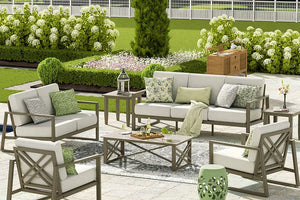
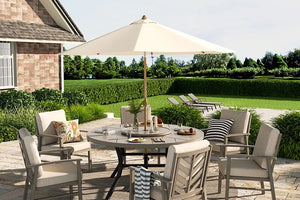
Cushioned chairs—like those in the Amario Series—combine solid frames with padded seats. The foam makes long dinners so much more comfortable. Just keep in mind, you’ll need to store the cushions dry or pick weather-resistant fabric to keep them looking good.
Quick-dry sling chairs, including the Canyon Series sling, stretch breathable mesh across aluminum frames. Water runs right through, so they dry fast after a rainstorm. These are great if your chairs live poolside or in a humid spot.
Key decision factors:
- Climate exposure (rain, sun, humidity)
- Maintenance level you’re up for
- Seat firmness or softness
- Frame weight and how easy it is to move
Peak Home Furnishings offers plenty of patio dining chairs online and through retail partners. You can browse by material and frame type to find something that actually fits your space. If you’re unsure about layout, which material will last, or just want some honest advice, their team’s easy to reach for help.
FAQs
What is the most durable material for outdoor dining chairs?
Aluminum offers top durability for outdoor dining chairs, lasting 15-25 years rust-free; HDPE wicker adds flexible, rot-resistant support.
Which outdoor chair material stays coolest in the sun?
Sling fabric stays coolest with breathable mesh; light colors reflect heat best.
How long do outdoor chair cushions typically last?
3-5 years with proper care, longer with premium fabrics like Sunbrella.
What's the best outdoor chair material for coastal areas?
Aluminum and HDPE wicker—rust-proof frames and fade-resistant weave handle salt air well.
Related Articles

Do You Need a Lazy Susan Outdoor Table? Practic...
A Lazy Susan outdoor table makes it easier for multiple people to share food and keeps dishes within reach, but it is not necessary for every patio setup. If a...
Do You Need a Lazy Susan Outdoor Table? Practic...
A Lazy Susan outdoor table makes it easier for multiple people to share food and keeps dishes within reach, but it is not necessary for every patio setup. If a...
Continue Reading
Round Dining Tables: Best For Who? 4-Seat vs 6-...
Round dining tables work best for small groups, conversation-focused meals, and compact dining spaces. A 4-seat round dining table suits small families and tight layouts, while a 6-seat round table...
Round Dining Tables: Best For Who? 4-Seat vs 6-...
Round dining tables work best for small groups, conversation-focused meals, and compact dining spaces. A 4-seat round dining table suits small families and tight layouts, while a 6-seat round table...
Continue Reading
Poolside Storage Ideas: Towel, Float & Essentia...
Poolside storage ideas keep towels, floats, and essentials dry, easy to grab, and neatly organized—even with water splashes, wet fabric, and strong sun. The key to smart poolside storage is...
Poolside Storage Ideas: Towel, Float & Essentia...
Poolside storage ideas keep towels, floats, and essentials dry, easy to grab, and neatly organized—even with water splashes, wet fabric, and strong sun. The key to smart poolside storage is...
Continue Reading