





Outdoor Patio Dining Tables: Round vs. Rectangular Comparison Guide

Choosing the right patio dining table shapes how you use your outdoor space. The decision often comes down to round or rectangular, and each option supports a different way to gather, move, and relax.
Your patio size, seating needs, and daily habits all play a role. Round tables work best for small patios and casual meals, while rectangular tables fit larger spaces and seat more people with ease.
This simple difference affects how many guests you host. It also changes how easy it is to walk around the table and how natural conversations feel.
This guide breaks down how each shape performs in real outdoor settings. Layout, materials, and long-term durability all factor into the choice, so you can match the table to the way you actually use your patio.
Outdoor Patio Dining Tables
Picking an outdoor dining table really comes down to how you use your patio. Patio tables support daily meals, weekend gatherings, and casual outdoor time.
Size, layout, and dining table shape guide how well the table fits your space. A round dining table works well when your patio feels tight or uneven.
It’s easy to move around, and guests face each other without sharp corners. This shape suits small patios and relaxed meals where conversation matters.
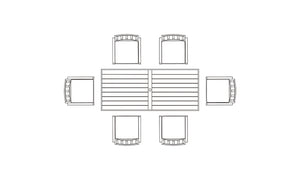
A rectangular outdoor dining table fits larger patios and clear layouts. You seat more people along straight edges and can place the table against a wall or railing.
This shape often suits formal setups and planned seating. The right shape can help define a dining zone without blocking walkways.
Key differences at a glance:
|
Feature |
Round Patio Tables |
Rectangular Patio Tables |
|
Space use |
Fits small or narrow areas |
Fills wide or open areas |
|
Seating style |
Even, flexible seating |
Structured, higher capacity |
|
Visual feel |
Soft and casual |
Clean and defined |
Materials matter just as much as shape. Many outdoor dining tables use metal, plastic, or treated wood to handle weather and daily use.
It’s worth balancing durability, upkeep, and style so the table works well over time.
Round Patio Dining Tables

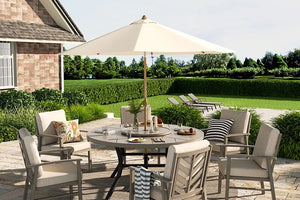
Round patio dining tables support easy conversation and flexible seating. They work well in tight spaces and create a more social layout.
But they also bring limits in size and placement.
Pros and Cons
Pros
- Better conversation flow: Everyone faces each other, so you talk without leaning or turning.
- Space-friendly shape: The curved edge helps you move around the table, which suits small patios.
- Flexible seating: It’s easy to add or remove chairs without fixed corners getting in the way.
- Safer edges: No corners means fewer bumps in narrow walkways.
Cons
- Limited seating at larger sizes: Really big round tables become hard to reach across.
- Less surface space: You get less usable space than a long rectangular table of similar width.
- Placement limits: The shape doesn’t sit flush against walls or railings.
|
Feature |
What to Expect |
|
Seating |
Best for small to medium groups |
|
Layout |
Open and social |
|
Space use |
Efficient in compact areas |
Best For
Round patio dining tables shine when your outdoor space feels tight or gets a lot of foot traffic. The shape fits well on small patios, balconies, and uneven layouts.
If you’re hosting casual meals or coffee with friends, this table keeps everyone engaged and close. That suits relaxed gatherings.
Round tables work best for four to six people. Go for a pedestal base if you want more legroom. Materials like aluminum or teak make care easier and last longer outdoors.
- Rectangular Patio Dining Tables
Rectangular patio dining tables give you clear edges, straight lines, and flexible seating. You gain strong capacity for meals, serving space, and group layouts—especially in longer outdoor areas.
Pros and Cons
Pros
Seats more people along each side, perfect for family meals and guests.
- Fits well on long patios, decks, and narrow outdoor spaces.
- Offers more surface area for platters, trays, and center items.
- Pairs easily with benches, mixed chairs, or end seating.
Cons
- Needs more room than round tables, especially at the corners.
- Sharp edges may feel tight in small spaces or walk paths.
- Can feel formal if you prefer a relaxed or casual look.
|
Feature |
What It Means for You |
|
Seating |
Easy to add or remove chairs |
|
Shape |
Best for straight layouts |
|
Space use |
Efficient lengthwise, less flexible at corners |
Best For
Rectangular tables really shine when you host groups of six or more. You can line up chairs on each side and still keep clear paths to walk around.
They suit patios placed against a wall or railing. You can push one side closer without losing seats.
If you serve meals often, go with this shape. The long surface supports family-style dining, outdoor buffets, and shared dishes.
Rectangular tables also fit both modern and traditional styles. You’ll find options in wood, metal, or mixed materials, with sizes that seat four to ten people.

Choosing the Right Table Shape for Your Patio
Patio layout, walking space, and seating needs should guide your table choice. Shape, table size, and flexibility matter a lot outdoors since space often serves more than one purpose.
Matching Table Size and Seating to Space
Start by measuring your patio and planning clear paths around the table. Leave about 36 inches between the table edge and walls, railings, or grills so chairs slide out with ease.
A rectangle outdoor table works well on long or narrow patios. It fits neatly along one side and seats more people without blocking walkways.
This shape suits families or frequent guests. Round and square patio tables fit better in compact or evenly shaped areas.
They take up less visual space and allow smoother movement. Seating feels closer, which works well for small groups.
Use this quick guide:
|
Patio shape |
Best table option |
|
Long or narrow |
Rectangular |
|
Small or square |
Round or square |
|
Multi-use space |
Smaller round or square |
Considering Extendable and Modular Options
If your guest count changes, flexibility matters. An extendable dining table lets you adjust the table size only when needed.
You keep the patio open for daily use and expand it for gatherings. Many extendable dining tables come in rectangular designs, which makes adding leaves simple and stable.
Some round tables also extend into oval shapes, giving you more seating without sharp corners. Modular tables offer another option.
You can join sections for meals or separate them for casual use. This setup works well if your patio hosts dining, lounging, and cooking zones.
When choosing flexible designs, check the extension method, weight, and storage needs. Easy setup and weather-safe parts make outdoor use more practical.
Material Choices and Outdoor Durability Considerations
The material you choose affects how long your patio dining table lasts, how much care it needs, and how it feels in daily use. Outdoor tables face sun, rain, and temperature changes, so durability and upkeep matter as much as style.
Popular Outdoor Table Materials
Outdoor furniture comes in a few common materials, each with clear strengths and limits. Teak and other hardwoods resist moisture and insects because of natural oils.
They feel solid and work well for both round and rectangular tables, but they cost more. Aluminum stays light, doesn’t rust, and suits modern spaces.
It’s a good pick if you move furniture often. Wrought iron feels very strong and stable, though it adds weight and needs rust protection.
Plastic or resin offers low cost and easy care. It fits casual patios but may fade over time.
Glass tops add a clean look but need careful handling.
|
Material |
Key Strength |
Main Drawback |
|
Teak |
Long life outdoors |
Higher cost |
|
Aluminum |
Light, rust-free |
Can scratch |
|
Wrought iron |
Very strong |
Heavy, may rust |
|
Resin |
Low upkeep |
Less durable |
Weather Resistance and Maintenance Needs
Sun, rain, and humidity affect every outdoor table. Teak handles moisture well but changes color unless you clean and oil it.
Aluminum needs little care beyond washing, and it doesn’t corrode. Wrought iron requires sealed finishes to prevent rust, especially in wet climates.
Plastic and resin resist water but can weaken or fade in strong sun. Glass surfaces clean easily but show dirt fast.
Heat can make glass hot to the touch. Match the material to your local weather and how much time you want to spend on upkeep.
Other Considerations for Outdoor Tables
Weight and comfort affect daily use. Heavy furniture stays in place during wind but feels harder to move.
Lighter tables work better for flexible layouts or smaller patios. Table shape also matters—rectangular tables often need stronger frames to avoid sagging.
Round tables place stress in the center, so solid bases help. Cost and safety play a role as well.
Natural stone and thick wood last long but raise the price. Sharp edges, heat retention, and surface texture all affect comfort.
Frequently Asked Questions
What factors should be considered when choosing between a round and rectangular outdoor patio dining table?
Look at patio shape, seating needs, and how you plan to use the space. A round table supports face‑to‑face conversation and works well for small, casual gatherings.
A rectangular table suits larger groups and more formal meals. It also fits long patios and allows flexible chair placement on each side.
Think about how people walk around the table. Round tables reduce sharp corners, while rectangular tables help define dining zones.
What are the space requirements for round vs. rectangular outdoor dining tables?
Leave at least 36 inches of clear space on all sides for chairs and movement. That way, people can sit, stand, and walk around without bumping into things.
Round tables usually take up less visual and physical space, especially on tight patios. Their shape just makes it easier to move around in compact or high-traffic areas.
Rectangular tables need more length, but they can use space efficiently on wide or narrow patios. They also line up nicely with walls or railings, which just feels tidier sometimes.
How does one choose the best size for an outdoor dining table based on patio dimensions?
Start by measuring your patio. It's smart to subtract at least 6 feet from both the length and width so everyone has room to pull out chairs and move around.
For smaller patios, a 36–44 inch round table usually works for four people. If you've got a little more space, a 48–60 inch round table can squeeze in six.
Rectangular tables sized between 60 and 72 inches typically seat four to six people. If your patio's bigger, you can go for 84 inches or longer and host a crowd.
Related Articles

Conversation Set Buying Guide: 3-Piece vs. 5-Pi...
A conversation set buying guide helps you pick between a 3-piece, 5-piece, or built-in side table setup. The main factors? Patio size, how many people you want to seat, and...
Conversation Set Buying Guide: 3-Piece vs. 5-Pi...
A conversation set buying guide helps you pick between a 3-piece, 5-piece, or built-in side table setup. The main factors? Patio size, how many people you want to seat, and...
Continue Reading
Are Swivel Chairs Worth It? Pros & Cons for Con...
Swivel chairs are a solid choice for conversation areas when you want flexibility and easy flow. They let people turn toward different guests, the TV, or even a dining table—without...
Are Swivel Chairs Worth It? Pros & Cons for Con...
Swivel chairs are a solid choice for conversation areas when you want flexibility and easy flow. They let people turn toward different guests, the TV, or even a dining table—without...
Continue Reading
Multi-functional Outdoor Ottoman Uses: Extra Se...
Multi-functional outdoor ottomans tackle a classic patio issue: not enough space, but lots of seating needs. A multi-functional outdoor ottoman can serve as an extra seat, a footrest, or even...
Multi-functional Outdoor Ottoman Uses: Extra Se...
Multi-functional outdoor ottomans tackle a classic patio issue: not enough space, but lots of seating needs. A multi-functional outdoor ottoman can serve as an extra seat, a footrest, or even...
Continue Reading