


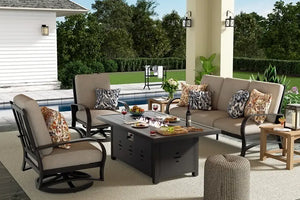
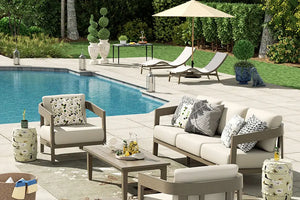


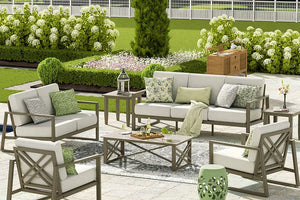

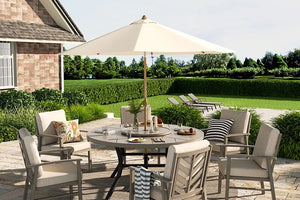




How to Keep Cats Off Outdoor Furniture: 9 Proven Tips and Solutions

Effectively keeping cats off outdoor furniture requires a strategic combination of natural repellents, physical barriers, and behavioral redirection. Felines target patio cushions for their elevated vantage points and soft textures, but deterrents like citrus sprays and motion-activated sensors successfully interrupt these instincts.
This article covers everything from neutralizing territorial pheromones with enzymatic cleaners to selecting scratch-resistant aluminum frames and implementing positive reinforcement training. This comprehensive guide provides both low-cost DIY essential oil mixtures and permanent structural solutions to guarantee a clean, hair-free outdoor living experience for every homeowner.
Why Do Cats Choose Outdoor Furniture as Their Resting Spot?
Cats choose outdoor furniture because it provides warmth, comfort, and safety in one location. The cushions offer soft surfaces similar to indoor beds, while elevated positions let cats observe their surroundings for potential threats or prey.
Sunlight heats outdoor furniture throughout the day. Cats are drawn to these warm spots for napping and relaxation. Dark-colored cushions and fabrics retain more heat than lighter materials.
Outdoor furniture appeals to cats for these reasons:
● Soft textures - Cushioned surfaces feel pleasant against their fur and paws
● High vantage points - Elevated chairs and tables provide visual control of the area
● Shelter - Covered patios and furniture protect from wind, rain, and direct sun
● Familiar scents - Repeated visits create scent markers that make the spot feel safe
● Territorial marking - Cats rub against furniture legs and cushions to claim the space
Tip 1: Apply DIY Citrus or Essential Oil Sprays
Cats avoid citrus scents, making homemade citrus sprays an effective way to keep them off outdoor furniture. Studies show that 80% of cats steer clear of lemon and orange smells.
What You Need:
● 1 cup water
● 1 cup citrus peels (lemon, orange, or grapefruit)
● 1 tablespoon vinegar (optional)
● Spray bottle
How to Make It:
1.Combine water and citrus peels in a pot
2.Bring to a boil, then simmer for 10 minutes
3.Let the mixture cool completely
4.Strain out the peels
5.Pour liquid into a spray bottle
For a quicker option, mix equal parts water and vinegar in a spray bottle with 10-15 drops of citrus essential oil.
Application Tips:
Spray the mixture directly on outdoor furniture cushions, armrests, and surfaces where cats sit. Reapply every 2-3 days and after rain. Test a small area first to ensure the spray won't damage fabric or materials.
The scent fades quickly outdoors, so consistent application is necessary. Store the spray in a cool, dark place and replace it every week for best results.
Safety Note: Avoid using concentrated essential oils in high amounts. Some cats may show skin irritation or digestive upset if exposed to strong concentrations. Monitor the cat's reaction and discontinue use if any distress occurs.
Tip 2: Integrate Repellent Landscaping
Certain plants naturally keep cats away from outdoor spaces. Cats dislike the strong scents that plants like lavender, rosemary, and mint produce.
Plant these repellent herbs near your outdoor furniture to create a natural barrier. Most cats will avoid areas where these plants grow because the scents irritate their sensitive noses.
Effective Cat-Repellent Plants:
● Lavender - Hardy in zones 5-9, needs full sun and well-drained soil
● Rosemary - Non-toxic to cats, thrives in zones 8-10, drought-tolerant
● Mint - Grows in zones 3-11, spreads quickly so use containers
● Rue - Blue-green herb with yellow flowers, toxic to cats, zones 4-10
● Eucalyptus - Strong scent, toxic to cats, zones 8-11
● Citronella - Look for Cymbopogon nardus variety, zones 10-12
Place these plants in pots around furniture legs or create borders around seating areas. The closer the plants are to the furniture, the stronger the deterrent effect.
Important safety note: Several of these plants are toxic to cats. Mint, rue, eucalyptus, and pennyroyal can harm cats if eaten. Most cats naturally avoid toxic plants due to the smell, but check with a vet before planting if pet cats roam the area.
Tip 3: Utilize Heavy-Duty Protective Furniture Covers
Heavy-duty furniture covers create a physical barrier that discourages cats from settling on outdoor furniture. Cats prefer soft, comfortable surfaces, and a properly secured cover makes furniture less appealing as a resting spot.
Choose covers made from these durable materials:
● Vinyl - resists scratching and repels water
● Canvas - provides thick protection and breathability
● Heavy-duty polyester - offers UV resistance and durability
The cover must fit snugly and secure at the bottom to prevent cats from crawling underneath. Loose covers allow cats to slip between the fabric and furniture, defeating the purpose.
Secure covers using drawstrings, buckles, or elastic hems that wrap tightly around furniture legs. Add weights to keep covers in place during windy conditions. Use heavy-duty magnets, weighted bottles, or smooth stones positioned around the cover's edges.
Tip 4: Deploy Motion-Activated Ultrasonic or Air Deterrents
Motion-activated deterrents use sensors to detect cats and respond with ultrasonic sounds or bursts of air that startle them away from furniture. These devices work automatically without requiring constant monitoring.
Ultrasonic deterrents emit high-frequency sounds that cats dislike but humans cannot hear. The devices use PIR (Passive Infrared) sensors to detect body heat and movement. When a cat approaches within 20-30 feet, the unit activates and produces the deterrent sound for several seconds.
Air spray deterrents release a quick burst of compressed air when motion is detected. The sudden noise and sensation surprises cats without causing harm. These units require replacement canisters every few months depending on activation frequency.
Key Features to Look For:
● Detection range: 20-40 feet for adequate coverage
● Power source: Solar, battery, or plug-in options
● Weatherproofing: IP65 rating or higher for outdoor use
● Adjustable sensitivity: Prevents false triggers from small animals or wind
Position these devices 6-8 feet from the furniture at an angle that covers the approach paths cats use. Place them high enough to avoid obstruction by plants or other objects.
Tip 5: Train Your Cat with Positive Reinforcement
Training your cat to stay off outdoor furniture works better than punishment. Reward your cat with treats when they choose approved spots instead of your patio chairs or tables.
Start by placing a comfortable alternative near your outdoor furniture. When your cat uses the approved spot, give them a treat within 3 seconds. This timing helps your cat connect the behavior with the reward.
Key Training Steps:
● Catch good behavior early - Reward your cat the moment they sit in their designated area
● Use high-value treats - Choose treats your cat loves, like small pieces of cooked chicken or commercial cat treats
● Practice daily - Train for 5 to 10 minutes each day until the behavior becomes a habit
● Stay consistent - Every family member must follow the same rules and reward system
Training takes time. Most cats need 2 to 4 weeks of consistent practice before they reliably choose their own spot over your furniture.
Tip 6: Provide Dedicated Outdoor Cat Trees or "Catios"
Cats stay off outdoor furniture when they have their own appealing space. A dedicated cat tree or catio gives them a better alternative to patio chairs and tables.
Outdoor cat trees work as simple diversions. Place a sturdy cat tree near the furniture cats typically claim. Add scratching posts, platforms at different heights, and perches with views of the yard. Cats naturally prefer elevated spots for watching their territory.
Catios offer a more complete solution. A catio is an enclosed outdoor structure that keeps cats safe while giving them fresh air and stimulation. These range from small window boxes to large yard enclosures.
Basic catio features that attract cats:
● Climbing posts for vertical movement
● Multiple levels for perching at different heights
● Scratching surfaces built into walls or posts
● Shaded areas for hot days
● Cat-safe plants like catnip or cat grass
Tip 7: Create a Designated Cat Garden with Catnip
A dedicated cat garden gives cats their own space and reduces their interest in outdoor furniture. Cats naturally prefer areas designed for their enjoyment over random furniture pieces.
Plant catnip in a sunny spot at least 10 feet away from your outdoor furniture. Catnip (Nepeta cataria) is a perennial herb from the mint family that attracts and entertains cats for hours. The plant needs 6 hours of direct sunlight daily and well-draining soil with a neutral pH.
Setting up the garden space:
● Choose containers or a garden bed with good drainage
● Add wire fencing or bamboo stakes around plants to prevent cats from crushing them
● Include a flat stone or outdoor mat for lounging
● Plant in spring or late summer for best results
The garden becomes the preferred destination for cats when it provides more stimulation than furniture does. Position it where cats can easily see and access it from common entry points to your yard.
Tip 8: Use Enzymatic Cleaners on All Surfaces
Enzymatic cleaners break down the proteins in cat urine and scent markers that draw cats back to the same furniture. Regular all-purpose cleaners only mask odors, while enzyme cleaners eliminate them at the source.
Cats mark territory through scent. When a cat urinates or rubs against outdoor furniture, proteins and pheromones remain in the material even after normal cleaning. These invisible markers tell the cat to return to that spot.
How to apply enzymatic cleaners:
1.Remove loose dirt and debris from furniture surfaces
2.Apply the cleaner directly to all affected areas
3.Let it sit for 5 to 10 minutes minimum
4.Blot up excess liquid with a clean cloth
4.Allow the surface to air dry completely
5。.Repeat the process if the cat returns to the same spot
Apply enzymatic cleaners to cushions, armrests, table legs, and any other surface where cats rest or rub. The product works on plastic, wood, metal, fabric, and wicker materials commonly used in outdoor furniture. Avoid using bleach on PE rattan as it can cause discoloration.

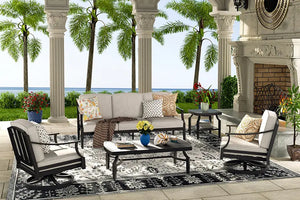
Shop the look: Positano Aluminum Patio Sofa with Sunbrella cushions
https://peakhomefurnishings.com/products/positano-aluminum-patio-sofa-with-sunbrella-cushions
Key cleaning tips:
● Use warm water with the cleaner for better enzyme activation
● Apply the product to damp surfaces for deeper penetration
● Reapply every few days for heavily soiled areas
● Never mix enzyme cleaners with bleach or disinfectants
The enzymes need time to break down organic matter, so patience matters. For stubborn odors, soak a cloth in the cleaner and leave it on the stain overnight before blotting it up the next day.
Tip 9: Invest in Aluminum Frames and Tight-Weave PE Rattan
Aluminum frames and tight-weave PE rattan create surfaces that cats find uncomfortable to scratch and sit on. These materials solve the problem before it starts.
Aluminum frames resist scratching because the metal is too hard for cats to grip. Cats prefer softer materials where their claws can dig in. The smooth, slick surface gives them nothing to work with.
Tight-weave PE rattan works because the woven pattern leaves little gaps for claws to catch. Loose-weave furniture gives cats textured surfaces to scratch. Dense weaving eliminates this appeal.
Material benefits:
● Aluminum powder-coated finishes are smooth and non-porous
● PE rattan withstands UV exposure without degrading
● Both materials clean easily to remove scent markers
● Neither material absorbs odors that attract cats back

Shop the look: Marindo 5-Person Aluminum Patio Swivel Seating Set
https://peakhomefurnishings.com/products/marindo-5-person-aluminum-patio-swivel-seating-set
FAQs
How can I stop neighborhood stray cats from spraying on my patio?
To stop stray cats from spraying, you must use enzymatic cleaners to remove existing scent marks and deploy motion-activated sprinklers. These devices provide a harmless but startling deterrent that effectively keeps roaming cats away from your perimeter without constant supervision.
Do coffee grounds effectively repel cats from garden furniture?
While some gardeners use coffee grounds as a repellent, they are generally less effective than citrus or commercial sprays and can be toxic if ingested in large quantities. A more reliable method is using specialized scat mats or ultrasonic sound emitters around the furniture.
Will cat hair eventually damage the breathability of outdoor cushions?
Extensive accumulation of cat hair and dander can clog the weave of outdoor fabrics, trapping moisture and increasing the risk of mold or mildew. Regular vacuuming and the use of protective covers are essential to maintain the fabric's breathability and longevity.
Related Articles

Collection Spotlight: Styling Sereno Woodgrain ...
Outdoor furniture shoppers face a familiar tension: they want the warmth of natural wood on the patio, but real teak demands seasonal oiling, sanding, and eventual replacement. The Sereno collection...
Collection Spotlight: Styling Sereno Woodgrain ...
Outdoor furniture shoppers face a familiar tension: they want the warmth of natural wood on the patio, but real teak demands seasonal oiling, sanding, and eventual replacement. The Sereno collection...
Continue Reading
Collection Spotlight: Allure Quick-Dry Seats—Be...
Picture this: dark clouds roll in while you are at work, and by the time you get home, your patio cushions are soaked through. You drag them into the garage,...
Collection Spotlight: Allure Quick-Dry Seats—Be...
Picture this: dark clouds roll in while you are at work, and by the time you get home, your patio cushions are soaked through. You drag them into the garage,...
Continue Reading
How to Style Your Outdoor Dining Area with Azur...
Creating a stylish yet functional outdoor dining space requires more than just placing furniture on your patio. You need pieces that balance durability, comfort, and visual appeal while fitting your...
How to Style Your Outdoor Dining Area with Azur...
Creating a stylish yet functional outdoor dining space requires more than just placing furniture on your patio. You need pieces that balance durability, comfort, and visual appeal while fitting your...
Continue Reading