







Difference Between vs. Gazebo vs. Pavilion: Key Features And Design Uses

Outdoor shade structures can look pretty similar at first glance, which makes choosing one a bit tricky. You’ll see pergolas, gazebos, and pavilions in a lot of backyards, but they’re not all doing the same job when it comes to design, comfort, or protection.
A pergola gives you partial shade with an open roof, a gazebo brings a fully roofed and enclosed spot to sit, and a pavilion covers a wide area with solid protection from sun and rain. Each one works best depending on your layout, local weather, and how you actually use the space.
Let’s dig into why people mix these up, what each structure really does, and how they’re different in build, coverage, cost, and maintenance. I’ll also point out where each option shines—and a few mistakes folks make when picking an outdoor structure for their yard.
What Is A Pergola?
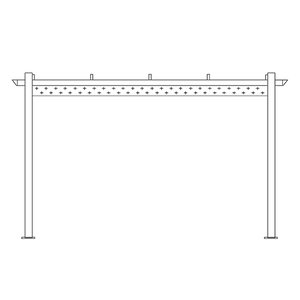
A pergola is basically an outdoor frame with vertical posts and an open roof made of beams or slats. It gives you partial shade but still lets in sunlight and a breeze. Most folks use pergolas to mark off patios, decks, or garden walkways.
Pergolas stand out from other structures because there’s no solid roof. The open top lets you add climbing plants, fabric shades, or even adjustable panels. You get comfort without blocking the sky entirely.
You can build a pergola as a standalone feature or attach it to your house. Attached pergolas often stretch your living space outside, while freestanding ones look great in gardens or around seating areas.
People tend to pick wooden pergolas—cedar, redwood, or pressure-treated pine are all popular choices. Wood just feels right and blends in with plants and landscaping.
Common features of pergolas include:
- Open or slatted roof design
- Four or more support posts
- Square or rectangular shape
- Optional add-ons like vines, curtains, or shade panels
Pergolas focus more on style and light shade than full weather protection. That’s what makes them so flexible for different outdoor setups.
What Is A Gazebo?
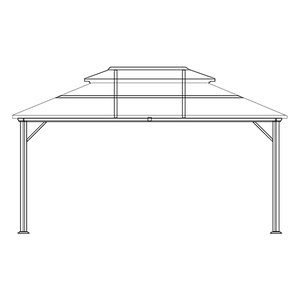
A gazebo is a freestanding outdoor structure with a solid roof and open sides. You’ll spot gazebos in gardens, yards, or parks. They create a clear focal point and a shady spot to sit.
Most gazebos are round, octagonal, or square. The roof is always solid, so it blocks sun and light rain. Posts hold up the roof and leave the sides open for airflow.
People use gazebos for quiet seating, small meals, or just casual get-togethers. Benches, tables, or screens often go inside. Some add railings or curtains for a bit of privacy.
Common gazebo features include:
- Solid roof for steady shade
- Open sides with posts or rails
- Freestanding placement
- Space for seating or dining
Gazebos fit nicely into more formal landscapes or garden settings. They’re great if you want a defined, sheltered space without actual walls. Lots of homeowners pick gazebos for a peaceful spot that works even when the weather isn’t perfect.
What Is A Pavilion?
A pavilion is a large outdoor structure with a solid roof and open sides. It gives serious shade and rain cover but still feels breezy. You’ll see pavilions in parks, backyards, or event spaces.
Pavilions are usually rectangular or square. Posts at the corners and sides hold up the roof, which uses shingles or metal for extra strength. These are sturdier than lighter shade options.
Pavilions are built for groups. Many can handle 20 to 50 people or even more, depending on the size. Families use them for parties, meals, or just hanging out.
They stay mostly open, though you can add screens, curtains, or half walls if you want. But the core structure never has full walls. The open sides keep things cool.
Common pavilion features include:
- Solid, fixed roof
- Open sides with support posts
- Large floor area
- Space for tables, grills, or seating
Pavilions are all about function and coverage. They’re for folks who want reliable shelter for outdoor fun but don’t want to feel boxed in.

Pergola Vs Gazebo Vs Pavilion – Structural Differences Explained
A pergola uses an open frame with posts and a slatted roof or lattice roof. It’s perfect for light shade and climbing plants. You’ll often see them over patios or walkways as a simple shade fix.
A gazebo stands on its own with a solid roof. Some have rails or screens on the sides. Round gazebos are pretty classic, but square and octagon shapes pop up in plenty of yards too.
A pavilion has a solid roof like a gazebo, but keeps the sides wide open. Pavilion design focuses on big spans and sturdy posts. People put them over dining or seating areas to get the most out of their outdoor space.
When you compare gazebo vs pergola, the roof is the big difference. Gazebos block sun and rain, but pergolas let in more light. That changes how you’ll end up using the space.
For gazebo vs pavilion, it’s about how enclosed you want to feel. Gazebos feel cozy and sheltered. Pavilions are open but still give you strong overhead cover.
With pergola vs pavilion, it’s openness versus protection. Pergolas add style and a hint of shade. Pavilions are for function and weather coverage.
Shade, Rain, And Weather Protection Compared
Pergolas, gazebos, and pavilions all handle shade and weather a bit differently. The roof design sets the main level of protection. You’ll want to match the structure to your local weather and how you plan to use the space.
A pergola gives you partial shade. Its open or slatted roof lets in sun and air. Some versions have fabric canopies or adjustable louvers for better shade, but rain can still get through.
A gazebo gives you more protection. The solid roof blocks direct sun and sheds rain. Lots of gazebos have side panels or screens to cut down on wind and light rain.
A pavilion offers the best coverage. The big, solid roof shades the whole area and keeps out steady rain. Open sides keep air moving while the roof protects people and furniture underneath.
These shade structures fit different needs. If you just want light sun control, a pergola is enough. For rain or longer outdoor stays, gazebos or pavilions make more sense.
Cost, Installation, And Maintenance Differences
Cost often guides the choice between a pergola, gazebo, and pavilion. Pergolas usually cost the least because they use fewer materials and have open roofs.
Gazebos cost more, with gazebo installation cost often ranging from $5,000 to $10,000 due to labor and a solid roof. Pavilions usually end up costing the most thanks to their larger size and heavier framing.
Installation depends a lot on what you pick and where it goes. Pergolas install faster and can either attach to your house or stand alone.
Gazebo installation takes longer because it needs level footings and precise roof framing. Pavilions need the most planning, and you'll probably need permits since they're so big.
Maintenance really comes down to materials and how much weather hits your structure. Wood pergolas need regular sealing or staining.
Gazebos need roof checks, joint repairs, and surface care to prevent leaks. Pavilions demand similar care but on a larger scale, which bumps up both time and cost.
Metal and vinyl options cut down on upkeep, but they raise the upfront cost. Climate also plays a role—wet or windy areas can be tough on any outdoor structure.
Best Use Cases For Pergolas, Gazebos, And Pavilions
Each structure serves a clear purpose based on space, climate, and how people use an outdoor living area. Size, roof style, and level of enclosure often matter more than looks alone.
The right choice supports daily use without adding limits.
Best For Small Patios
Pergolas work well on small patios where space feels limited. Their open roof design keeps the area from feeling closed in.
They fit against a house or along a fence with little visual weight. A pergola defines an outdoor seating area without taking over the yard.
It allows light and air to pass through. Homeowners often add climbing plants or fabric panels for partial shade.
Gazebos and pavilions usually need more room. Their solid roofs and larger footprints can overwhelm a tight patio.
In compact spaces, a pergola supports outdoor living without crowding furniture or walkways.
Best For Outdoor Dining
Pavilions offer the most reliable setup for an outdoor dining area. A solid roof protects tables and food from sun and rain.
The open sides allow airflow during warm weather. Many outdoor dining spaces use a rectangular pavilion.
This shape fits dining tables, serving stations, and lighting. It also works well near an outdoor kitchen or grill.
Gazebos can support outdoor dining but suit smaller groups. Their shape may limit table size and movement.
Pergolas work best for casual meals, not full dining setups, since they provide limited weather protection.

Best For Entertaining Guests
For outdoor entertaining, pavilions provide the most flexibility. Their size supports seating, standing space, and clear paths for guests.
They also allow sound and conversation to move freely. Gazebos work well for smaller gatherings.
They create a defined outdoor seating area and a sense of privacy. Hosts often place them away from the house for quieter conversations.
Pergolas suit informal entertaining. They frame lounge areas or conversation zones.
While they don't block weather, they keep the space open and connected to the rest of the yard.
Best For Year-Round Use
Pavilions perform best for year-round use. Their solid roofs protect furniture from snow and rain.
Many owners add lighting, fans, or heaters for extended use. Gazebos also support multi-season use.
Screens or panels help block wind and insects. This makes them useful in spring and fall.
Pergolas offer the least protection. They work best in mild climates or fair weather.
For year-round outdoor living, pergolas often need upgrades like retractable covers or shade panels.
Best For Decorative Landscaping
Pergolas serve as strong design features in landscaping. They guide foot traffic, frame views, and connect garden paths.
Many people use them as a garden focal point. Gazebos create a classic centerpiece.
Their shape draws attention and anchors the landscape. They often sit at the end of a path or near water features.
Garden pavilions add structure without heavy decoration. They suit large yards where scale matters.
In landscaping, they support function first, then style, while still enhancing the outdoor setting.
Which Outdoor Structure Is Right For Your Backyard?
Your best bet depends on how you plan to use the space, how much shade you want, and the size of your yard. Budget, upkeep, and local weather all play a part too.
A pergola works well for light shade and an open feel. It suits patios, walkways, and seating areas where airflow matters.
Many homeowners add fabric or vines for extra cover. A gazebo fits yards that need full shade and weather protection.
Its solid roof and enclosed shape suit dining, hot tubs, or quiet seating. It often becomes a focal point in the yard.
A pavilion supports larger groups and open layouts. It covers outdoor kitchens, pool areas, and event spaces.
The roof blocks sun and rain, while the open sides keep the space flexible. Local rules may limit size or placement for outdoor structures.
The backyard layout should allow safe spacing, drainage, and clear access.
Related Articles

Coastal Outdoor Furniture Checklist: Materials ...
Coastal outdoor furniture lasts when it uses rust-resistant frames, fade-resistant fabrics, and marine-grade hardware built for salt air and strong sun. The right checklist includes powder-coated aluminum or Grade‑A teak...
Coastal Outdoor Furniture Checklist: Materials ...
Coastal outdoor furniture lasts when it uses rust-resistant frames, fade-resistant fabrics, and marine-grade hardware built for salt air and strong sun. The right checklist includes powder-coated aluminum or Grade‑A teak...
Continue Reading
Aluminum Finish Guide: Choosing Between Powder ...
Choosing the right aluminum finish for outdoor use comes down to climate, maintenance, and design goals. Standard powder coating on aluminum offers a baseline lifespan of 5–10 years in harsh...
Aluminum Finish Guide: Choosing Between Powder ...
Choosing the right aluminum finish for outdoor use comes down to climate, maintenance, and design goals. Standard powder coating on aluminum offers a baseline lifespan of 5–10 years in harsh...
Continue Reading
How to Choose the Right Coffee Table Height for...
Choosing the right coffee table height for your patio starts with one clear rule: the patio coffee table should match the seat cushion height or sit 1–2 inches lower. This...
How to Choose the Right Coffee Table Height for...
Choosing the right coffee table height for your patio starts with one clear rule: the patio coffee table should match the seat cushion height or sit 1–2 inches lower. This...
Continue Reading