





Coastal Outdoor Furniture Checklist: Materials & Hardware That Last

Coastal outdoor furniture lasts when it uses rust-resistant frames, fade-resistant fabrics, and marine-grade hardware built for salt air and strong sun. The right checklist includes powder-coated aluminum or Grade‑A teak frames, HDPE lumber such as Polywood, solution-dyed acrylic fabric like Sunbrella, and 316 stainless steel hardware that resists salt corrosion. These materials matter because coastal climates bring salt spray, high humidity, and UV exposure that break down steel, cheap coatings, and standard fabric.
This guide explains why coastal conditions demand special materials, which frame materials hold up best, and why aluminum frame and performance fabric combinations often last the longest. It also shows how to choose coastal outdoor furniture that fits the climate and answers common questions about durability and maintenance.
Why Does Coastal Outdoor Furniture Require Special Materials That Last?
Coastal outdoor furniture requires special materials because salt air and high humidity speed up deterioration. Salt carries chloride ions that cling to metal surfaces. When moisture sits on that salt, it creates an electrolyte that drives corrosion. For the user, this means untreated steel can rust within months near the coast.
The strong sun adds another problem. Intense UV radiation breaks down many plastics and fades fabrics. In practice, this leads to brittle frames and cushions that lose color after one season.
Wind and damp air also stress joints and fasteners. If furniture absorbs moisture, it can swell, warp, or loosen over time. Outdoor furniture for coast settings must resist all of these forces at once.
Protective finishes also matter. High-quality powder coating seals aluminum from air and moisture. For the owner, this means less maintenance and fewer replacements over time.
Material durability requirements include:
- Rust prevention: Use 316 stainless steel hardware or powder-coated aluminum frames because these metals resist chloride corrosion. This reduces flaking, staining, and joint failure.
- UV resistance: Choose solution-dyed acrylic fabrics and UV-stabilized polymers. The color runs through the fiber, so sunlight does not bleach it quickly.
- Structural stability: Select teak with natural oils or high-density polyethylene lumber. These materials resist moisture absorption, which limits cracking and warping.

What Frame Materials Work Best for Coastal Outdoor Furniture Durability?
For coastal outdoor furniture durability, the frame material is far more important than style. Salt air accelerates corrosion, UV exposure can degrade coatings, and humidity increases wear on both hardware and fabrics. Choosing the right combination of materials ensures long-term performance and reduces maintenance. For coastal outdoor furniture durability, aluminum outdoor furniture is the safest frame choice. Salt air speeds up corrosion, so the frame material matters more than style.
1. Powder-Coated Aluminum Frames
Features: Aluminum frames with a baked-on powder coating, common in high-quality coastal furniture.
Advantages:
- Aluminum contains no iron, so it does not rust.
- Powder coating seals the surface from salt and moisture, preventing corrosion spots.
- Lightweight yet strong, making it easy to move and arrange.
Disadvantages:
- The coating can chip, exposing bare metal.
- If saltwater reaches exposed areas, minor oxidation may appear, requiring occasional touch-ups.
For example, aluminum lounge seating such as the Arcadia aluminum patio lounge chair from Peakhome Furnishings uses powder-coated aluminum frames designed for coastal durability.

Peakhome Furnishings provides Arcadia aluminum patio lounge chair
2. High-Strength Aluminum
Features: Alloys such as 5052 or 6061 aluminum are commonly used in marine equipment and high-end outdoor furniture.
Advantages:
- Contain magnesium and other elements that improve strength and corrosion resistance compared with basic aluminum tubing.
- Provides longer lifespan under direct ocean exposure than standard aluminum.
Disadvantages:
- Higher cost compared to standard powder-coated aluminum.
3. Stainless Steel Screws and Fasteners
Features: 304 or 316 marine-grade stainless steel hardware.
Advantages:
- 316 stainless steel contains molybdenum, enhancing resistance to salt corrosion.
- Prevents frozen bolts, rust streaks, and structural weakening.
Disadvantages:
- Higher price than basic steel or galvanized parts.
4. Galvanized Hardware
Features: Steel coated with zinc.
Advantages:
- Zinc provides a protective barrier that slows rust formation.
Disadvantages:
- In heavy salt air, the zinc layer can wear down over time, leading to corrosion and potential structural issues.
5. Steel Frames (Including Powder-Coated Steel)
Features: Heavy steel tubing, sometimes powder-coated for extra protection.
Advantages:
- Strong and stable, particularly in inland or protected patios.
Disadvantages:
- Contains iron, so once the coating fails, rust spreads quickly.
- Less suitable for prolonged coastal exposure compared to aluminum options.
Material Comparison for Coastal Outdoor Furniture:
|
Material |
Corrosion Resistance |
Weight |
Cost |
Coastal Suitability |
|
Powder-Coated Aluminum |
High |
Light |
$$ |
Excellent |
|
Marine-Grade Aluminum |
Very High |
Light |
$$$ |
Best |
|
Stainless Steel (316) |
High |
Heavy |
$$$ |
Good |
|
Galvanized Hardware |
Moderate |
— |
$ |
Fair |
|
Powder-Coated Steel |
Low–Moderate |
Heavy |
$ |
Limited |
Why Aluminum Frame and Performance Fabric Combinations Last the Longest?
An aluminum frame + solution-dyed acrylic fabric + 316 stainless steel hardware lasts the longest in coastal settings because each part resists a different failure point: rust, UV damage, and salt corrosion.
Aluminum does not rust like steel. When manufacturers use powder-coated or marine-grade aluminum, the metal forms a stable oxide layer that slows corrosion. In practice, this means the frame can last 5–15 years, depending on salt exposure and maintenance.
316 stainless steel hardware reduces the risk of corrosion and pitting in salt-air environments. Because it contains molybdenum, it resists pitting from salt spray. For the user, this means bolts and fasteners will not stain the frame or fail early.
For seating, performance fabrics such as Sunbrella fabric use solution-dyed acrylic, where the pigment is added before the fiber forms rather than after. Because the color runs through the yarn, UV rays cannot bleach just the surface, ensuring long-lasting color.
Pair these fabrics with quick-dry foam cushions. Quick-dry foam has an open-cell structure that drains water fast. This reduces trapped moisture, which lowers the risk of mildew inside outdoor cushions.
Together, this system delivers:
- Balanced corrosion resistance (aluminum + stainless steel)
- Fade resistance (solution-dyed acrylic performance fabrics)
- Moisture control (quick-dry foam cushions)
- Minimal maintenance with consistent appearance over time
This material combination targets the main coastal threats: salt, sun, and humidity.
How to Choose Coastal Outdoor Furniture Materials That Last Longest?
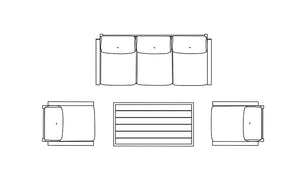
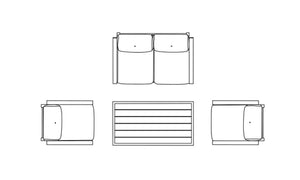
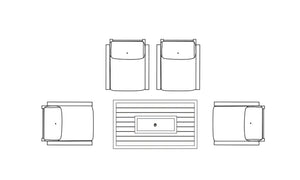
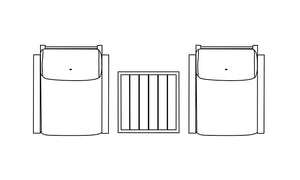
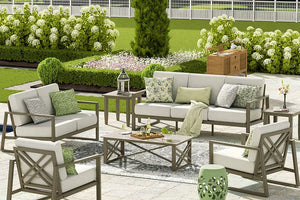
Start by assessing how close the space sits to the ocean. Homes within a few miles face heavy salt exposure, which speeds up corrosion. In those areas, choose furniture collections designed for coastal durability, such as the Tamarin Series,which combines powder-coated aluminum frames, Sunbrella fabric for long-lasting coastal performance.

Peakhome Furnishings provides Tamarin 5 pieces aluminum patio conversation set with sunbrella® cushions
Prioritize rust-resistant frames. Powder-coated aluminum resists corrosion because aluminum does not contain iron, so it cannot rust. The powder coating adds a sealed barrier against salt and moisture, reducing surface blisters and structural damage over time.
Next, select fade-proof performance fabrics. Solution-dyed acrylic, such as Sunbrella fabric, locks color into each fiber before weaving. Because the pigment runs through the yarn, it resists UV breakdown instead of fading at the surface. In practice, this means outdoor cushions keep their color after long sun exposure. The Tamarin Series leverages these fade-resistant fabrics to maintain vibrant seating for years.
Pay close attention to cushion construction. Quick-dry foam cushions use open-cell foam that allows water to drain and air to circulate. This reduces mold growth, prevents odors, and extends cushion life.
Finally, verify all fasteners and brackets. 304 or 316 stainless steel hardware resists rust because chromium in the alloy forms a protective layer. This prevents joint failure, a common cause of early furniture wear in coastal environments.
FAQs
How Does Sunbrella Fabric Prevent Fading?
Sunbrella fabric uses solution-dyed acrylic, where the pigment is added before the fiber is formed, so the color runs through the entire yarn, not just on the surface. This ensures that scratches or wear do not affect the color, and UV rays cannot bleach the fabric, keeping cushions and upholstery vibrant for years under direct sunlight.
Additional benefits include mildew resistance, water and stain repellency, and long-term durability even in humid, coastal environments. Many coastal collections, such as the Tamarin Series, pair Sunbrella fabrics with marine-grade aluminum frames to provide both lasting structural strength and fade-resistant, vibrant seating.
How often should coastal furniture be maintained?
Coastal furniture should be rinsed with fresh water every 2–4 weeks and inspected at least twice a year.
Salt crystals build up on frames and hardware. When salt sits on metal, it attracts moisture and speeds up corrosion. Regular rinsing removes these deposits and slows rust formation.
Teak should be cleaned with a mild soap solution several times a year. If the owner wants to keep the brown tone, they should apply a teak sealer once or twice a year. Without sealer, teak will turn silver but still remain structurally sound.
Cushions made with quick-dry foam and solution-dyed acrylic fabric should be cleaned as needed and allowed to dry fully. This prevents mold growth in humid climates.
Is aluminum better than steel for coastal use?
Yes. Aluminum performs better than standard carbon steel in coastal environments because it does not rust.
Carbon steel contains iron, which oxidizes when exposed to salt and moisture. Even with paint, chips in the coating can expose the metal and start corrosion. In practice, this leads to rust spots and weakened joints.
Powder-coated aluminum forms a protective oxide layer naturally, and the coating adds another barrier. For coastal patios and oceanfront decks, this means lower maintenance and longer frame life.
However, 316 marine-grade stainless steel can also perform well near the ocean. It costs more than aluminum, but its added molybdenum content improves resistance to salt-related corrosion, especially for hardware and structural supports.
Related Articles

Outdoor Dining Chair Materials Compared: What A...
Outdoor dining chair materials shape comfort, durability, maintenance, and how well your chairs age outside. Metal brings strength and low upkeep, wicker gives you texture and style, cushioned seats boost...
Outdoor Dining Chair Materials Compared: What A...
Outdoor dining chair materials shape comfort, durability, maintenance, and how well your chairs age outside. Metal brings strength and low upkeep, wicker gives you texture and style, cushioned seats boost...
Continue Reading
Coffee Table vs Side Table: Height Rules & Spac...
Outdoor coffee tables and side tables need to match your sofa height and allow enough space for a comfortable, balanced layout. An outdoor coffee table should sit about 1–2 inches...
Coffee Table vs Side Table: Height Rules & Spac...
Outdoor coffee tables and side tables need to match your sofa height and allow enough space for a comfortable, balanced layout. An outdoor coffee table should sit about 1–2 inches...
Continue Reading
Outdoor Dining Chair Comfort Guide: Angles, Arm...
Comfort in outdoor dining chairs comes down to seat angle, arm height, and seat width. The most comfortable outdoor dining chairs usually have a slight backrest angle of about 10–15...
Outdoor Dining Chair Comfort Guide: Angles, Arm...
Comfort in outdoor dining chairs comes down to seat angle, arm height, and seat width. The most comfortable outdoor dining chairs usually have a slight backrest angle of about 10–15...
Continue Reading