








Poolside Storage Ideas: Towel, Float & Essentials Organization

Poolside storage ideas keep towels, floats, and essentials dry, easy to grab, and neatly organized—even with water splashes, wet fabric, and strong sun. The key to smart poolside storage is to separate wet and dry items, use ventilated storage that allows airflow, and place frequently used essentials within easy reach to reduce clutter and prevent slips. When storage supports these rules, the pool area stays safer and easier to maintain.
Poolside organization works best when it matches item types and outdoor conditions. This guide summarizes common outdoor storage practices and practical backyard organization methods. It explains why organization matters, how to group poolside essentials, which towel racks and float storage systems work best, what materials handle moisture and sun exposure, and which common mistakes reduce durability. Each section focuses on practical solutions that handle real pool traffic and daily use.
Why Poolside Organization Matters?
Because wet gear, large floats, and small essentials quickly create clutter, poolside organization matters . Without a clear pool storage plan, towels pile up, toys scatter, and drinks and sunscreen end up on the ground.
Wet towels hold water and add weight. When people drop them on chairs or decks, they block walking space and slow drying. Many adult pool floats measure roughly 60–80 inches long when inflated, which can quickly reduce usable deck space. In practice, this reduces usable deck space and increases the risk of trips.
Small items cause hidden mess. Sunscreen bottles, goggles, and cups spread across tables and steps. When storage does not group them in one place, people waste time searching.
Good poolside storage improves safety and access:
- Faster access to essentials: When towels sit in labeled bins or on wall hooks near seating, swimmers grab them without crossing the deck.
- Safer walkways: Keeping 30–36 inches of clear walking clearance supports smooth traffic flow. For the user, this means fewer blocked paths and fewer trip hazards.
- Cleaner outdoor space: Using deck boxes made from resin or powder-coated aluminum (weather-resistant materials) protects items from rain and splash. In other words, gear stays dry and ready to use.
Smart layout also matters. Avoid placing storage near pool entry steps because congestion builds there. Keep circulation paths open, and place towel storage close to loungers instead.
How to Categorize Poolside Essentials Before Storing?
Start by sorting poolside essentials into clear groups before placing them in any towel storage, plastic storage bin, or repurposed laundry basket.
Rule 1: Separate wet and dry items.
Wet items:
- wet bath towels
- damp cushions
- swimsuits
Dry items:
- folded pool towel storage sets
- clean cushions
Rule 2: Divide bulky and small items.
Divide items according to their size:
|
Category |
Examples |
|
Bulky items |
Inflatable floats, pool noodles |
|
Medium textiles |
Bath towels, extra cushions |
|
Small essentials |
Sunscreen, sunglasses, drinkware |
Rule 3: Group by frequency of use.
- Daily items: Stay near the pool. Store them in open bins or a repurposed laundry basket for quick access.
- Seasonal or backup items: Can move to closed storage farther from the pool area.

What are Storage Solutions for Towels?
Storage solutions for towels keep poolside storage organized while helping fabric dry fast and stay fresh. Designers often group them into open racks, enclosed units, and flexible bins that also work with float storage and pool toy storage.
People can store towels by:
- Open towel racks
- Outdoor storage cabinets
- Deck boxes
- Outdoor baskets
- Hanging mesh bags
- Mesh storage bags
Open towel racks often use aluminum or powder-coated steel bars. The coating helps reduce rust by protecting the metal from moisture exposure. For the user, this means wet towels can air‑dry without staining the frame.
Best for → quick drying and easy access
Pros → strong airflow, easy to grab, fits near the pool edge
Limitations → leaves towels exposed to rain and debris
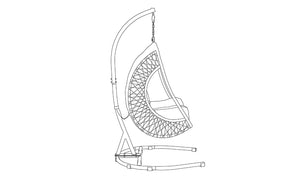
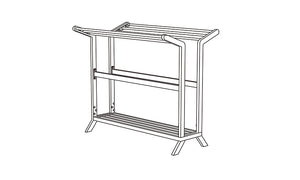
In practical setups, a dedicated rack or float caddy keeps towels and inflatables off the ground. A poolside towel rack such as the ULAX pool float caddy can combine float storage and towel hanging in one vertical frame, saving deck space while improving airflow.

Shop the look: ULAX Pool Float Caddy, Poolside Towel Rack
Outdoor storage cabinets and deck boxes use resin or high‑density polyethylene panels with tight‑fit lids. These plastics do not absorb water, so they will not swell or rot. In practice, this keeps folded towels dry during storms.
Best for → protecting clean towels and supplies
Pros → hides clutter, doubles as seating (deck boxes), pairs with pool float storage
Limitations → slower drying for damp towels if ventilation is limited
Outdoor baskets, hanging mesh bags, and other mesh storage bags support flexible poolside storage. The mesh weave allows airflow because air passes through the open grid. For the user, this means towels and small pool toys dry faster than in solid bins.
Best for → portable storage and shared spaces
Pros → lightweight, easy to move, works for pool toy storage
Limitations → less protection from heavy rain or wind
How to Organize Pool Floats and Large Items?
Organize pool floats and large items by lifting them off the ground, improving airflow, and using covered storage when needed. Large inflatables hold water inside seams, so they need drainage and ventilation to prevent mold.
Best Uses at a Glance
- Vertical racks: Save floor space
- Mesh bags: Improve drainage and airflow
- Rolling storage carts: Easy transport
- Outdoor storage bins: Weather protection
- Under-deck storage: Hidden bulk storage
Start with vertical storage. Wall-mounted racks or tall hooks keep floats upright, which frees floor space and keeps items off the deck. In practice, this means fewer tripping hazards around the pool.
Use mesh storage bags for wet floats. The open-weave fabric lets water drip out and air moves through the material. For the user, this means floats dry faster and resist mildew without extra wiping.
Choose a rolling storage cart when the family moves items often. Carts with powder-coated steel frames and mesh sides help reduce rust and allow airflow. Because the cart sits on locking casters, they can roll floats from poolside to a shed, then secure it in place.
Add an outdoor storage bench or several outdoor storage benches for hidden storage. Resin benches with hinged lids and built-in vents protect floats from UV exposure while allowing air exchange. This reduces sun fading and heat buildup.
For off-season storage, use an outdoor storage bin with a tight-seal lid or install under-deck storage. Raised decks create shaded space below. When fitted with slatted doors or vents, that area stays drier because air can circulate while rain stays out.
How to Store Small Poolside Essentials?
Store small poolside essentials in covered, weather-resistant containers placed close to where people sit and swim. This keeps items like sunscreen, sunglasses, pool thermometers, and keys easy to reach and harder to lose.
An outdoor storage bench with a hinged lid works well for grouped items. Many models use resin or powder‑coated aluminum frames, which resist rust and water damage. Because the lid seals the compartment, it limits rain entry. For the user, this means sunscreen bottles and first‑aid kits stay dry instead of filling with water after a storm.
A rolling storage cart adds flexible storage. Choose one with locking caster wheels and mesh or slotted metal shelves. The open design allows airflow, which helps wet goggles or dive toys dry faster. When guests move to a different seating area, they can roll the cart instead of carrying loose items by hand.
For daily grab‑and‑go use, place outdoor trays or caddies on side tables with storage shelves. The lower shelf holds backup sunscreen and towels, while the top tray keeps sunglasses and lip balm visible. Small items are easy to miss, so open display reduces the chance they get left outside overnight.
Use an outdoor storage bin with a tight‑fitting lid for backup supplies. In practice, this creates a clear system:
- Top level: daily items
- Bench or cart: shared gear
- Under‑deck storage: bulk refills and off‑season items
This layered setup keeps the poolside organized without clutter.
What are Outdoor Storage Materials That Handle Moisture?

Outdoor storage materials that handle moisture resist water, humidity, UV rays, and pool chemicals without breaking down. This matters for a pool shed, outdoor storage shed, and even dedicated pool chemical storage where spills and damp air are common.
UV-stabilized resin (plastic) is widely used in deck boxes and vertical sheds. Manufacturers add UV inhibitors to the resin, which slow sun damage and fading. In practice, this means the panels resist cracking and warping after long hours of sun and splashes. Resin also does not rust, so it works well for towel bins and float storage near the waterline.
Powder-coated aluminum uses a baked-on polyester coating over aluminum. The coating seals the metal from air and moisture, and aluminum does not contain iron, so it does not rust. For the user, this means racks, cabinets, and pool equipment storage frames hold up against rain and chlorinated water without flaking.
Marine-grade stainless steel (316) contains molybdenum, which improves corrosion resistance in salty or chemical-heavy air. This makes it suitable for hardware, hinges, and fasteners inside a pool shed.
Teak and other dense hardwoods contain natural oils. These oils slow water absorption, which improves resistance to swelling and decay. In humid climates, this translates to longer service life for benches and cabinet doors.
For pool chemical storage, choose resin or coated metal cabinets with vent panels. Venting allows fumes to escape, which lowers corrosion risk and improves safety when storing pool chemicals.
How to Maintain and Store for Durable and Safe Poolside Organization?
Proper care keeps poolside storage safe and long lasting. He or she should clean, dry, and inspect towel racks, float storage, and waterproof storage bins on a set schedule.
Wipe down plastic storage bins with mild soap and water. Because plastic resists rust and does not absorb water, it limits mold growth. For the user, this means fewer odors and less staining on towels and pool floats.
Choose weather-resistant storage bins with gasket-sealed lids. The rubber seal blocks rain and splash water, which protects towels and small electronics from moisture damage. In practice, this reduces mildew and keeps essentials ready to use.
Store chemicals in a lockable cabinet with vent panels. Ventilation allows fumes to escape, which lowers pressure buildup inside the cabinet. For families, this means safer air quality and lower risk of accidental mixing.
Sand and seal DIY pallet storage with an exterior-grade polyurethane. The sealant creates a moisture barrier because it fills wood pores. This step slows rot and splintering, which keeps pool toys and hands safe.
Adjust storage by season and layout:
|
Pool Setup |
Recommended Storage |
|
Small backyard pool |
Wall hooks + compact racks |
|
Large patio pool area |
Deck boxes + float storage racks |
|
Resort-style pool deck |
Towel stations + labeled bins |
|
Covered patio pool |
Ventilated storage cabinets |
Inspect hinges, wheels, and fasteners every month. Tight hardware keeps racks stable and prevents tip-over hazards around wet surfaces.
What are Common Poolside Storage Mistakes to Avoid?
Many poolside storage problems start with moisture control. Storing wet towels in closed deck boxes traps humidity, because the sealed lid blocks airflow. This often leads to mildew and odor. For the user, this means towels may need rewashing and wooden storage benches can develop mold stains.
Using non-ventilated containers for pool toys and floats creates the same issue. Mesh hampers or slatted PVC racks allow air to circulate, which helps items dry faster. In practice, this reduces mildew growth and extends the life of foam floats and fabric pool accessories.
Leaving pool floats scattered on the deck is another common mistake. Sun exposure breaks down vinyl over time because UV rays weaken plasticizers in the material. This can cause cracks and fading. Storing floats in a shaded storage box or on a wall-mounted rack helps limit UV damage.
Poor layout also creates safety risks. Blocking walkways with storage bins or rolling carts increases trip hazards, especially on wet concrete. Keeping towel racks and storage cabinets against a wall preserves clear paths around the pool.
Mixing wet and dry essentials—such as clean towels with damp swimsuits or sunscreen—causes cross-contamination. Moisture transfers quickly in enclosed spaces. Separating items into labeled bins or shelves keeps clean supplies dry and ready to use.
FAQs
How do you keep poolside storage from getting moldy?
Keep air moving and water out. Mold grows when moisture stays trapped in dark, warm spaces.
Use storage units with built-in ventilation slots or slatted sides. These openings allow air to circulate, which helps towels dry instead of staying damp. For the user, this means fewer odors and less fabric damage.
Choose resin or polyethylene deck boxes with tight-fitting lids. These plastics do not absorb water, so moisture cannot soak into the walls of the box.
Add drainage holes at the bottom of benches or cabinets if the design allows it. Water that enters during heavy rain can then escape instead of pooling inside.
Never store wet towels in closed storage. Hang them on a wall-mounted rack, towel ladder, or freestanding towel tree first. Once they are fully dry, place them in bins or cabinets.
Should pool towels be stored in closed boxes?
Yes, but only when they are completely dry.
Closed deck boxes and cabinets protect towels from rain, dirt, and UV rays. UV exposure breaks down cotton fibers over time, which makes towels thin and rough. Storing dry towels inside reduces that wear.
However, sealed plastic boxes without ventilation can trap humidity. If someone places a damp towel inside, moisture stays locked in, which can lead to mildew within a short time in humid conditions.
A better option uses a ventilated resin cabinet or a deck box with small airflow gaps. In practice, this setup shields towels from weather while still allowing trapped moisture to escape.
What materials are best for outdoor storage?
Resin, teak, aluminum, and stainless steel perform best for outdoor poolside storage.
Resin and high-density polyethylene resist water and UV rays because the plastic does not rust or rot. For the user, this means the cabinet will not swell, crack, or peel after heavy rain.
Teak contains natural oils that repel water and insects. Because of these oils, it can sit outdoors without warping, which makes it suitable for storage benches and cabinets.
Powder-coated aluminum resists corrosion. The coating seals the metal from moisture and pool chemicals, so it does not rust like untreated steel.
For hinges and hardware, 304 or 316 stainless steel works well. These grades contain chromium, which forms a protective layer that slows rust. This detail extends the life of lids, doors, and locks in humid pool areas.
Related Articles

How to Keep Cats Off Outdoor Furniture: 9 Prove...
Effectively keeping cats off outdoor furniture requires a strategic combination of natural repellents, physical barriers, and behavioral redirection. Felines target patio cushions for their elevated vantage points and soft textures,...
How to Keep Cats Off Outdoor Furniture: 9 Prove...
Effectively keeping cats off outdoor furniture requires a strategic combination of natural repellents, physical barriers, and behavioral redirection. Felines target patio cushions for their elevated vantage points and soft textures,...
Continue Reading
Are Waterproof Cushions a Myth? Why Sunbrella® ...
A brand-new set of patio cushions survives exactly one summer storm before it starts smelling like a basement. The fabric feels clammy. Dark spots appear along the seams. The listing...
Are Waterproof Cushions a Myth? Why Sunbrella® ...
A brand-new set of patio cushions survives exactly one summer storm before it starts smelling like a basement. The fabric feels clammy. Dark spots appear along the seams. The listing...
Continue Reading
How to Measure Covers for Sofa Sets: Sectionals...
Your outdoor sofa is more than just furniture—it's where morning coffee moments happen, where friends gather for evening conversations, and where you unwind after long days. Protecting this investment from...
How to Measure Covers for Sofa Sets: Sectionals...
Your outdoor sofa is more than just furniture—it's where morning coffee moments happen, where friends gather for evening conversations, and where you unwind after long days. Protecting this investment from...
Continue Reading