






Space Planning Tips for Outdoor Dining Areas: Maximizing Comfort and Flow

A well-planned outdoor dining area turns any backyard or patio into a comfortable space for meals and conversation. The layout, materials, and seating choices all influence how the space feels and functions. Good space planning ensures that every chair, table, and walkway fits smoothly together, creating a balanced and inviting outdoor setting.
Thoughtful planning makes it easier to move between cooking, serving, and relaxing areas. It also helps define how much space to dedicate to dining compared to lounging or gardening. When the layout supports easy flow and comfort, a simple meal outdoors can feel organized and effortless.
This article explores how durable materials, covered seating options, and the right furniture choices work together to shape a functional and appealing dining area. Each section offers practical ways to design an outdoor space suited for both everyday use and special gatherings.
Choosing Materials That Last Outdoors
Durable outdoor furniture depends on how well the materials resist sunlight, rain, and temperature changes. Selecting weather-resistant wood, metal, synthetic wicker, and fabric can help extend the life of an outdoor dining area while maintaining comfort and appearance.
Wood, Metal, Rattan & Concrete: What Suits Your Climate?
Material choice affects maintenance and longevity. Teak and acacia wood resist moisture and insects, but they need periodic sealing. Metal options such as aluminum and stainless steel handle humidity well and do not rust easily, while wrought iron offers strength but may need protective coating in wet regions.
Synthetic rattan or resin wicker mimics the look of natural fibers but lasts longer in direct sun or rain. Concrete and stone tables stand up to wind and heat but are heavy and harder to move.
|
Material |
Durability |
Maintenance |
Best Climate |
|
Teak Wood |
High |
Occasional oiling |
Humid, temperate |
|
Aluminum |
High |
Low |
Coastal or wet |
|
Steel/Iron |
Medium |
Moderate (protect from rust) |
Dry or covered |
|
Resin Wicker |
High |
Low |
Sunny, varied |
|
Concrete/Stone |
Very High |
Very Low |
Hot, windy |
Selecting one or mixing a few materials helps balance looks, weight, and upkeep needs.
Cushions & Fabrics That Stay Beautiful Outside
Outdoor fabrics need to resist fading, mildew, and moisture. Solution-dyed acrylic and olefin fabrics hold color well, even in direct sunlight. They dry quickly and clean easily with soap and water.
Manufacturers like Sunbrella or Outdura make textiles coated to repel water and stains. Pairing these with quick-dry foam or mesh underlayers prevents trapped moisture, which reduces mildew growth.
Choosing neutral or mid-tone colors helps hide dirt and fading. Removable covers with zippers make seasonal washing easier. In windy locations, heavier fabrics or ties prevent cushions from shifting or blowing away.
How Weather Affects Comfort & Longevity
Climate sets the conditions that test outdoor furniture most. In humid or coastal areas, salt and moisture accelerate rust and decay, making aluminum and marine-grade materials better choices. High-altitude or dry regions expose items to intense UV rays that fade paint and fabrics faster.
Heat can cause metal frames to retain warmth and become uncomfortable to touch, while stone or concrete surfaces may crack if temperatures drop quickly. Using umbrellas, awnings, or shaded placements prolongs material life by reducing direct solar exposure.
Covering or storing pieces during storms or winter adds years to their use. Simple protective habits work just as well as high-end finishes when it comes to keeping an outdoor dining space functional and appealing.
Covered Outdoor Seating Ideas
Covered outdoor seating helps create a comfortable and functional dining space that can be used in different seasons. The right structure provides shade, weather protection, and a defined area for furniture and decor. Each design choice affects comfort, durability, and how well the space fits the home’s style.

Pergolas Vs Gazebos Vs Awnings: What’s The Difference?
Each structure serves a similar purpose but offers different benefits. A pergola has an open framework with crossbeams that allow partial sunlight. It works well for climbing plants and light fabric coverings. A gazebo is a fully roofed structure, often freestanding with a solid cover and open sides, offering full shade and more protection from rain.
An awning, by contrast, attaches to a wall or roofline and extends outward. It provides flexible coverage and can be retractable or fixed. This option suits smaller patios or decks that need protection only during certain times of day.Choosing among them depends on the available space, local climate, and desired level of permanence.
Shade, Shelter & Weather Protection
Covered seating areas protect diners from sun, wind, and rain. The type of cover material matters. Metal roofs last longer and resist severe weather. Fabric canopies create a lighter look but require maintenance and seasonal removal in colder climates. Polycarbonate panels balance durability with natural light.
Position also affects performance. West-facing patios benefit from thicker coverage to block afternoon heat, while east-facing setups can use lighter fabrics for gentle morning sun. In rainy regions, adding drainage systems and angled roofing helps prevent pooling water.
Small design choices can improve comfort. Ceiling fans enhance airflow, and outdoor curtains offer privacy while blocking wind. These details make covered dining more usable in varying conditions.
Cozy Design Tips For Covered Spaces
Comfort starts with furniture placement. Arranging chairs and tables away from outer edges protects diners from direct wind and sun. Using weather-resistant materials like treated wood or aluminum extends furniture life.
Lighting defines mood and function. Soft LED string lights or mounted sconces keep the area usable after dark. Installing dimmers allows brightness control for different occasions.
Adding textiles—cushions, rugs, and curtains—improves comfort and visual warmth. To maintain a sense of openness, lighter colors and space-saving decor keep the area balanced. Heaters or fire tables can support use during cooler months while maintaining a consistent design style.
How To Choose The Right Outdoor Seating For Your Space
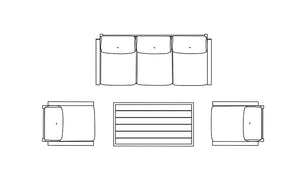
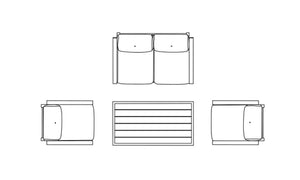
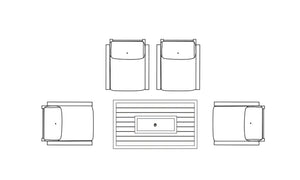
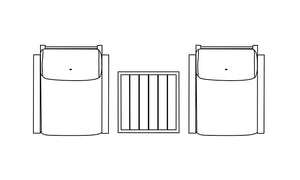
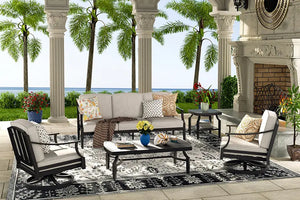
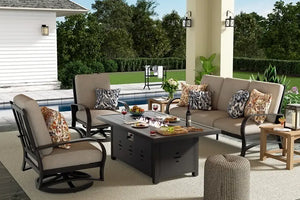
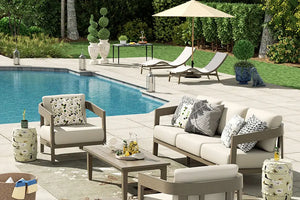
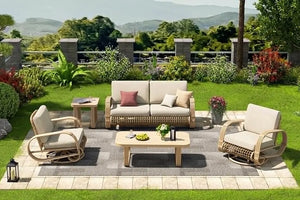
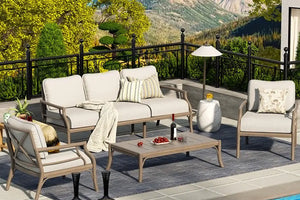
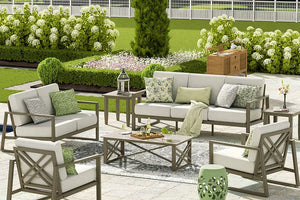
Selecting outdoor seating starts with understanding how the space will be used. A small balcony may benefit from a bistro set or a three-piece dining set, while a larger patio might support multiple seating zones for dining and lounging. Measuring the area before buying helps prevent crowding and keeps walkways open.
Comfort and function matter as much as size. Sectionals can define lounge areas and offer flexible seating, while benches can maximize capacity at a dining table. Cushioned chairs encourage long visits, but durable, low-maintenance materials make upkeep easier.
Materials should match the climate and intended use. Aluminum and wicker resist rust, while teak and acacia provide a natural look with strong weather resistance. Cushions made with quick-dry foam and UV-resistant fabric keep seats usable longer.
They should also account for traffic flow. Leave about 3 feet of clearance around tables and main walkways to let guests move easily. Position seating near shade, views, or focal points like a fire pit to create a comfortable and functional arrangement.

Outdoor Seating Ideas For Your Space
Practical seating layouts make outdoor spaces more comfortable and inviting. Thoughtful placement, durable materials, and scaled furniture help define how people gather, relax, or dine outside while maintaining balance and flow.
Outdoor Seating Ideas For Fire Pits (The Coziest Corner)
Fire pit areas work best when seating encourages conversation and warmth. Circular layouts with low lounge chairs or built-in benches help everyone face the fire. Keeping enough space between the seats and flames ensures safety and comfort.
Materials such as stone, metal, or treated wood handle heat and weather exposure well. Soft weather-resistant cushions make hard surfaces more comfortable. For colder evenings, storing throw blankets in a waterproof bin near the pit offers quick access.
Lighting matters, too. Wall-mounted sconces or dim outdoor lanterns keep pathways visible without competing with the fire’s glow. Including a small side table for drinks or snacks adds convenience without cluttering the space.
Outdoor Dining & Alfresco Seating Ideas
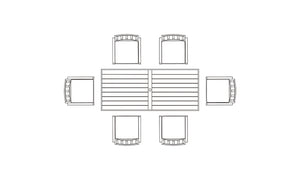
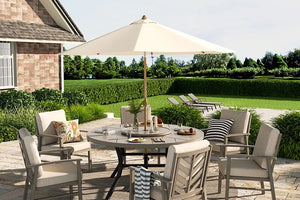
Functional dining setups focus on clear pathways, proper table sizing, and protection from weather. For small patios, extendable tables or foldable bistro sets save space while still allowing group meals. Large yards can support a rectangular dining table under a pergola or canopy for shade.
Durable furniture matters in open spaces. Materials such as powder-coated metal, teak, or synthetic wicker resist moisture and fading. Pairing chairs with removable seat pads allows for easy cleaning after outdoor gatherings.
To create a cohesive look, matching colors and finishes between the dining set and surrounding decor helps unify the area. Adding a simple runner or outdoor rug under the table defines the space visually while preventing slipping on smooth surfaces.
Restaurant & Café Outdoor Seating Ideas
Commercial outdoor spaces need to balance comfort, durability, and flow. Cafés and restaurants benefit from using modular seating that can be rearranged for large groups or intimate pairs. Square or round tables make layout changes simple and maintain consistent spacing.
Using stackable chairs or benches with sturdy frames helps with storage and upkeep. Durable finishes like powder coating or commercial-grade resin withstand heavy use and cleaning. Umbrellas or retractable awnings improve comfort on sunny or rainy days.
Attractive details, such as planters between seating zones or rope barriers, help define boundaries without feeling enclosed. Clear walkways and deliberate spacing allow staff and guests to move easily while maintaining a welcoming atmosphere.
Related Articles

Is Teak "Graying" Actually Damage? Why Teak Arm...
Many homeowners step onto their patio and notice something odd. The honey-gold teak furniture they bought last summer now looks silver-gray. Cushions are fine. Joints feel solid. But the color...
Is Teak "Graying" Actually Damage? Why Teak Arm...
Many homeowners step onto their patio and notice something odd. The honey-gold teak furniture they bought last summer now looks silver-gray. Cushions are fine. Joints feel solid. But the color...
Continue Reading
The Real Question About Outdoor Daybeds: Can Yo...
Many homeowners step onto their patio and notice something odd. The honey-gold teak furniture they bought last summer now looks silver-gray. Cushions are fine. Joints feel solid. But the color...
The Real Question About Outdoor Daybeds: Can Yo...
Many homeowners step onto their patio and notice something odd. The honey-gold teak furniture they bought last summer now looks silver-gray. Cushions are fine. Joints feel solid. But the color...
Continue Reading
Rope Woven Outdoor Furniture: Why It's Defining...
Walk past a stylish patio this season and there is a good chance you will see it: a low, clean-lined sofa with bands of woven rope wrapping its arms and...
Rope Woven Outdoor Furniture: Why It's Defining...
Walk past a stylish patio this season and there is a good chance you will see it: a low, clean-lined sofa with bands of woven rope wrapping its arms and...
Continue Reading