






Aluminum Finish Guide: Choosing Between Powder Coating and More

Choosing the right aluminum finish for outdoor use comes down to climate, maintenance, and design goals. Standard powder coating on aluminum offers a baseline lifespan of 5–10 years in harsh conditions, whereas architectural-grade anodizing extends this lifespan to 15–30 years. The exact lifespan depends on how the surface resists UV rays, humidity, and coastal salt. Powder coating is the most common baseline aluminum finish because it forms a baked-on protective layer that shields the metal from moisture and sun exposure, while other options like anodizing and wood-look aluminum serve different performance and design needs.
This guide explains what makes an aluminum finish suitable for outdoor exposure, how powder coating works, and why it became the standard. It also compares anodizing and other outdoor aluminum finishes, outlines when powder coating makes the most sense, and breaks down key factors such as UV exposure, humidity, salt air, maintenance level, and visual style. With clear facts and practical meaning, it helps narrow the right finish for any outdoor space.
What Makes an Aluminum Finish Suitable for Outdoor Use?
An aluminum finish is a protective and decorative coating applied to aluminum surfaces to improve durability, corrosion resistance, and visual appearance, especially for outdoor use. In exterior settings, the best finish for aluminum must handle moisture, sun exposure, and temperature changes without breaking down.
Outdoor durability depends on three main factors: coating thickness, UV resistance, and corrosion protection. These factors determine how well the surface finish resists damage over time. Thicker and properly bonded coatings often provide better long-term performance.
A suitable aluminum finishing system must perform several core functions:
- Prevent oxidation and fading
- Maintain structural integrity
- Preserve appearance over time
Aluminum naturally forms a thin oxide layer, but this layer offers only basic protection. Surface finishing methods such as powder coating and anodizing strengthen that protection and improve corrosion resistance in harsh environments.
A strong aluminum finish also supports aesthetic options. Outdoor projects often require stable color, consistent texture, and resistance to chalking or peeling. The right surface finish keeps the material looking clean while protecting the base metal.
What Is Powder Coating on Aluminum and How Does It Work?
Powder coating on aluminum is a dry finishing process that applies charged powder particles to the metal surface and then heat-cures them into a solid, protective layer. It is a common metal finishing method used as a durable finish for aluminum in outdoor settings.
Unlike anodizing, which changes the metal surface through a chemical reaction, powder coating adds a separate coating on top of the aluminum. This section explains how the process works, its key features, and where it is commonly used.
The process follows clear steps:
- Surface preparation – Technicians clean and treat the aluminum to remove oils, dirt, and oxidation. Proper prep improves coating adhesion and corrosion resistance.
- Electrostatic application – They spray dry powder onto the aluminum. An electric charge helps the particles stick evenly to the surface.
- Heat curing – They place the coated part in an oven. Heat melts the powder and bonds it into a continuous film.
Key advantages of powder coating:
- Cost-effective for large projects
- Reliable durability for general outdoor use
- Wide color and texture options
- Broad availability
Limitations of powder coating:
Not ideal for premium metallic aesthetics, harsh coastal environments, or projects requiring long-term color stability.
Main characteristics of powder coating include:
- Smooth and uniform surface finish
- Strong adhesion with good scratch resistance
- Wide range of color and gloss options
Manufacturers often use powder coating for:
- Outdoor furniture
- Railings and fencing
- Architectural aluminum structures
Powder-coated aluminum typically lasts 5–20 years, depending on climate, sun exposure, and maintenance. This range makes it a practical option for many exterior aluminum applications.
How Other Outdoor Aluminum Finishes Compare to Powder Coating?
Powder coating sets the baseline for outdoor metal finishing because it offers solid durability, wide color options, and fair cost. When comparing a finish for aluminum, professionals review four factors: durability, appearance, maintenance, and cost.

1. Anodized Finishes
-
Durability: Provides the highest corrosion resistance of all aluminum finishes. The anodization process thickens the natural oxide layer of aluminum, making it extremely resistant to salt, moisture, and UV exposure. Ideal for harsh coastal conditions.
- Appearance: Offers a subtle metallic sheen and limited color options. Less customizable compared with painted or wood-grain finishes, but retains a clean, modern look over time.
- Cost: Typically higher due to the specialized electrochemical process.
- Maintenance: Very low; anodized surfaces do not require frequent cleaning or re-coating.
Anodized finishes excel in protection and longevity but may lack the rich visual aesthetics of other finishes. Best for functional applications where durability is paramount.
2. Painted Coatings
-
Durability: Moderate; can withstand general outdoor conditions, but may chip or peel if exposed to heavy wear or coastal salt. UV exposure can lead to gradual fading over time.
- Appearance: Offers the widest range of colors and finishes, including gloss, matte, and metallic options. Can match specific design requirements or brand aesthetics.
- Cost: Medium; more affordable than anodizing but slightly higher than standard powder coating depending on application and quality.
- Maintenance: Requires occasional touch-ups or cleaning to prevent degradation, particularly in high-traffic or coastal environments.
Painted coatings provide a balance between aesthetics and durability, making them suitable for decorative outdoor furniture that is moderately exposed to the elements.
3. Wood-Grain Finishes
-
Durability: Combines moderate to high durability with protective coating layers over aluminum, providing resistance to corrosion similar to powder coating but with added aesthetic enhancement.
-
Appearance: Premium, realistic wood-like textures and colors. Offers the visual warmth of natural wood without its vulnerabilities, making it ideal for upscale outdoor furniture and high-end residential or hospitality projects.
- Cost: Premium; more expensive than standard powder coating or painted finishes due to the complexity of heat-transfer or hand-painted techniques.
- Maintenance: Low; requires minimal upkeep compared with real wood, but occasional cleaning is recommended to preserve the surface quality.
Wood-grain finishes bridge functionality and luxury aesthetics, offering both long-term protection and a natural, sophisticated appearance.
Other outdoor aluminum finishes differ in clear ways:
|
Finish Type |
Corrosion Resistance |
Design Flexibility |
Surface Strength |
Maintenance Level |
Relative Cost |
|
Powder Coating |
High |
Very High |
Impact-resistant |
Low |
Medium |
|
Anodizing |
Very High |
Low (metallic only) |
Extremely hard oxide layer |
Very Low |
Medium–High |
|
Painted Finishes |
Moderate |
Very High |
Moderate |
Moderate |
Medium |
|
Wood-Grain Finish |
Moderate–High |
Decorative (wood texture) |
Good (coated layer) |
Low |
High |
When Powder Coating Is the Best Aluminum Finish Choice?
Powder coating is the best aluminum finish choice when functionality and affordability matter more than premium appearance. It works well for outdoor projects that need solid protection at a reasonable cost. This section explains where this metal finishing method performs best, how it compares to anodizing, and what conditions support long-term results.
Powder coating uses a dry finishing process that bonds color and protection to the metal surface. With proper surface preparation, it forms a tough layer that resists chips and wear in everyday use.
Powder coating is most suitable for:
- Budget-focused outdoor projects
- Large furniture sets
- Commercial installations
- Standard residential patios
It also performs well in low to moderate exposure settings:
- Covered patios
- Mild climate regions
- Areas with low UV intensity
For functional, high-traffic applications, powder coating remains a practical finish for aluminum:
Railings and fencing
- Public outdoor seating
- Utility furniture
Use these quick guidelines:
- If budget is limited → choose powder coating
- If aesthetics are not the top priority → choose powder coating
- If furniture will be replaced within 5–10 years → powder coating is sufficient
Powder coating may not suit luxury outdoor designs or coastal areas with heavy salt exposure. In those cases, anodizing or higher-grade finishes may offer better long-term color stability.
How to Choose the Right Aluminum Finish for Outdoor Space?
Choose the right finish for aluminum by matching the coating to the outdoor environment, design goals, and maintenance needs. This section explains how to compare anodizing, powder coating, and other metal finishing options using clear steps.
Step 1: Determine durability requirements.
Outdoor aluminum faces sun, rain, salt, and impact. Anodizing creates a hard oxide layer that bonds to the metal and resists corrosion and UV damage. Powder coating, a dry finishing process cured under heat, adds a thicker layer that improves chip and impact resistance.
Use this quick comparison:
|
Condition |
Better Option |
|
Coastal or high salt |
Anodizing |
|
Heavy wear or impact |
Powder coating |
|
Tight part tolerances |
Anodizing |
Step 2: Identify aesthetic goals.
Anodizing keeps a metallic look with subtle color options. Powder coating offers more color and texture choices.
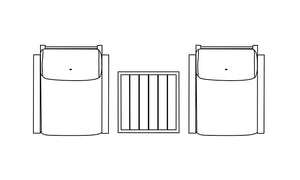
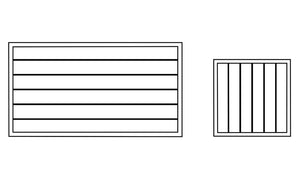
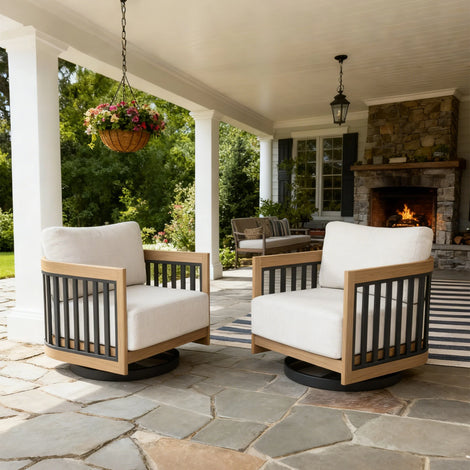
For outdoor furniture applications requiring both durability and a natural aesthetic, manufacturers apply wood-look finishes to items like aluminum rectangular coffee tables. A wood-look aluminum finish is a sublimated decorative layer applied over a powder-coated base, designed to mimic the texture of natural materials like teak while maintaining the corrosion resistance of metal.
A prime example is the Sereno collection by Peakhomefurnishings, which utilizes surface preparation and coating layers to create a realistic wood grain pattern. It delivers the warmth of wood with the durability of coated aluminum, and it outperforms standard powder coating in visual depth and fade resistance.

Peakhomefurnishings provides sereno outdoor aluminum rectangular coffee table
Step 3: Evaluate maintenance tolerance.
Both anodizing and powder coating need basic cleaning. Powder-coated and wood-look surfaces may hide dirt better, while anodized finishes resist peeling since the layer integrates with the metal.
Careful surface preparation and proper metal finishing methods ensure long service life in any outdoor space.
FAQs
Is wood-look aluminum more durable than powder coating?
No. Wood-look aluminum typically uses a powder coating base with a printed or sublimated wood grain layer, so its durability depends on the quality of the powder coating and clear topcoat.
Standard powder coating can resist chipping, UV exposure, and corrosion for many years when applied at the correct film thickness and cured properly. Wood-look finishes add style, but the decorative layer can fade or wear faster than a solid-color powder coat in high-traffic or high-sun areas.
Can aluminum finishes be refinished?
Yes. Most outdoor aluminum finishes can be refinished, but the process depends on the original coating.
Powder-coated aluminum usually requires sanding or media blasting before recoating to ensure adhesion. Anodized aluminum can be painted or powder coated, but it cannot be re-anodized without stripping the old oxide layer in a controlled process.
Proper surface preparation is critical. Without it, new coatings may peel or fail early.
How long do outdoor aluminum finishes last?
Outdoor aluminum finishes often last 5 to 30 years, depending on the coating type and environment.
Standard powder coating on aluminum offers a baseline lifespan of 5–10 years in harsh conditions, whereas architectural-grade anodizing extends this lifespan to 15–30 years. Anodizing provides long-term corrosion resistance and can last decades, especially in low-pollution areas.
Coastal exposure, strong UV light, and poor maintenance can shorten service life. Regular cleaning helps extend the life of any aluminum finish.
Related Articles

Coastal Outdoor Furniture Checklist: Materials ...
Coastal outdoor furniture lasts when it uses rust-resistant frames, fade-resistant fabrics, and marine-grade hardware built for salt air and strong sun. The right checklist includes powder-coated aluminum or Grade‑A teak...
Coastal Outdoor Furniture Checklist: Materials ...
Coastal outdoor furniture lasts when it uses rust-resistant frames, fade-resistant fabrics, and marine-grade hardware built for salt air and strong sun. The right checklist includes powder-coated aluminum or Grade‑A teak...
Continue Reading
Aluminum Finish Guide: Choosing Between Powder ...
Choosing the right aluminum finish for outdoor use comes down to climate, maintenance, and design goals. Standard powder coating on aluminum offers a baseline lifespan of 5–10 years in harsh...
Aluminum Finish Guide: Choosing Between Powder ...
Choosing the right aluminum finish for outdoor use comes down to climate, maintenance, and design goals. Standard powder coating on aluminum offers a baseline lifespan of 5–10 years in harsh...
Continue Reading
How to Choose the Right Coffee Table Height for...
Choosing the right coffee table height for your patio starts with one clear rule: the patio coffee table should match the seat cushion height or sit 1–2 inches lower. This...
How to Choose the Right Coffee Table Height for...
Choosing the right coffee table height for your patio starts with one clear rule: the patio coffee table should match the seat cushion height or sit 1–2 inches lower. This...
Continue Reading