






Best Outdoor Sofa for Your Patio: Top Picks for Comfort and Style

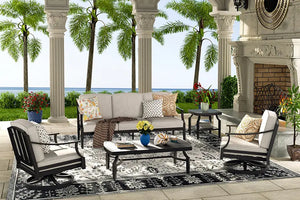
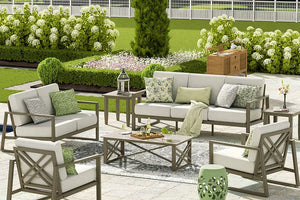
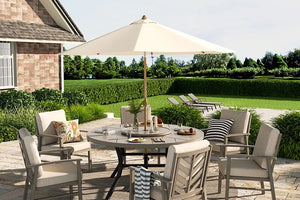
Choosing the best outdoor sofa for a patio can transform how a space looks and feels. The right sofa invites comfort, encourages time outside, and lasts through changing seasons. The best outdoor sofa for your patio is one that balances durability, comfort, and design while fitting the size and style of your space.
In 2025, outdoor sofas offer more than simple seating. They come in weather-resistant materials, flexible modular layouts, and modern or classic looks that match different outdoor setups—from open backyards to small balconies. Good designs use performance fabrics and sturdy frames to handle sun, rain, and frequent use.
This guide walks through the top sofa options for every patio size and style. It explains which materials stand up to outdoor conditions, how to pick the right type for your layout, and how to care for it so it looks great year after year.

Outdoor Sofa Materials Explained
Teak — Best For Full Sun & Luxury Patios
Teak is a dense hardwood known for its natural oils that resist water, rot, and insects. It keeps its strength and shape even under harsh sun and rain. Because of this, teak furniture often lasts for decades outdoors.
Over time, teak fades from a warm golden brown to a silver-gray patina if left untreated. Many homeowners prefer that look, but applying teak sealant helps maintain its original tone.
Teak is heavier and more expensive than other woods. However, its durability, smooth finish, and elegant style make it a favorite for upscale patios and pool decks. It fits best in open areas with consistent sun exposure, where its fine grain and color stand out.
Pros: Long lifespan, minimal maintenance, timeless look
Cons: High cost, heavy weight
Aluminum — Best For Humid & Coastal Areas
Aluminum outdoor sofas resist rust and corrosion, even in damp or salty air. Powder-coated finishes add a protective layer that prevents fading and pitting. This makes aluminum a practical choice for coastal homes or areas with frequent rain.
Because it’s light, aluminum furniture moves easily when rearranging patio layouts. Yet, it remains stable when paired with supportive seat cushions. It also does not absorb moisture, which helps prevent mildew buildup.
Design variety is another advantage. Aluminum frames come in many colors and shapes, matching both modern and traditional spaces. Small dents and scratches can happen over time, so it's best to handle pieces carefully.
Pros: Lightweight, rustproof, versatile designs
Cons: Can dent, may heat up in sun
HDPE Wicker — Best For Low Maintenance Patios
High-Density Polyethylene (HDPE) wicker mimics natural rattan but lasts far longer outdoors. Unlike cheaper PVC wicker, HDPE is UV-resistant and does not crack or peel with sun exposure. It keeps its color for many seasons without fading.
The material is hand-woven around sturdy aluminum or steel frames. It’s flexible enough to withstand temperature swings from summer heat to winter cold. Cleaning only requires mild soap and water, which makes it ideal for busy households.
Because HDPE wicker furniture varies in weave size and texture, buyers can choose from casual to upscale designs. Adding quick-dry cushions finishes out a low-maintenance setup that looks great year-round.
Pros: Weather-resistant, easy to clean, realistic texture
Cons: Less rigid feel than wood or metal
Fabric Options
Outdoor cushions rely on durable fabrics like Sunbrella and Olefin that resist fading, mildew, and water damage. These synthetic fibers allow air circulation, helping cushions dry quickly after rain or pool use.
Sunbrella fabric is acrylic-based and known for excellent UV protection and easy cleaning. Olefin is slightly less costly but still strong against chlorine, salt, and mold. Both resist staining and retain their color for many seasons.
Foam cores also matter. Quick-dry or reticulated foam drains water fast and prevents odors. For maximum comfort, some designs pair supportive foam centers with softer top layers. Together, these materials keep outdoor sofas comfortable, bright, and ready for daily use.
Outdoor Sofa Types & Which One Fits Your Patio
Sectional Outdoor Sofas
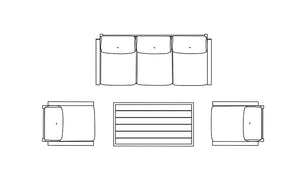
Sectional outdoor sofas work well for large patios or decks where people often gather. They typically include corner, middle, and end pieces that connect to form an L- or U-shaped layout. Many models feature aluminum or wicker frames with cushions covered in fade-resistant fabric.
They create a social seating area and can define a space without extra décor. Owners can rearrange sections to fit the setting or separate them for smaller groups. Because of their size, these sets usually cost more and require more cleaning.
When choosing a sectional, measure the patio first and consider how it aligns with walkways, grills, or tables. A model with quick-dry foam and removable covers works best for humid or rainy climates.

Loveseat Sofas
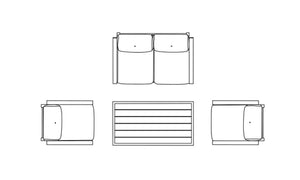
Loveseat sofas provide compact seating for two to three people and fit smaller patios, balconies, or apartment terraces. Their smaller scale makes them easy to move or pair with a single chair.
A durable loveseat often uses powder-coated steel or resin wicker with cushions designed to resist water and UV rays. Many homeowners prefer this style for a casual and cozy look that still feels refined.
People who use their outdoor space mainly for quiet relaxation or reading will appreciate a loveseat’s size and simplicity. These sofas also cost less than large sectionals and often require less maintenance.
Modular / Expandable Sofas
A modular outdoor sofa allows flexibility for changing needs. Each seat acts as a stand-alone piece that connects to others, letting owners modify the layout. This design suits those who like frequent rearranging, whether to host guests or create more open space when needed.
Many modular models feature clip systems or hidden connectors to keep sections secure. Cushion sets usually come with weather-resistant covers and fast-drying inserts that handle heavy use.
This type helps maximize space for odd-shaped patios or multi-purpose outdoor rooms. While they cost more than standard sets, their adaptability extends the sofa’s usefulness and can prevent the need to buy new pieces later.
Daybed-Style Sofas
Daybed-style sofas blur the line between seating and lounging furniture. They often feature a wide base, thick cushions, and sometimes a canopy or backrest that curves around part of the seat.
These sofas are ideal for patios intended for relaxation, sunbathing, or reading. Models with woven resin frames and cushioned tops deliver both comfort and outdoor durability.
Homeowners with limited furniture pieces can use a daybed sofa as both couch and recliner. Because they occupy more floor space, they fit best on medium or large patios with shade or overhead cover.
How To Choose The Best Outdoor Sofa For Your Patio
Selecting the right outdoor sofa depends on several practical details such as available space, local weather, material durability, and comfort level. Every feature, from cushion fill to frame structure, affects how well a piece fits daily use and long-term performance.

Match Size To Patio Layout
1. Measure the space before purchasing.
2. Leave at least 30 to 36 inches of clearance for foot traffic around seating.
3. When placing multiple pieces, sketch a simple layout to visualize spacing between tables, chairs, and walkways.
Consider Weather Exposure
Weather exposure strongly influences material choice and maintenance needs. Sofas placed in sunny, wet, or coastal environments face challenges like fading, mold, and corrosion. Durable construction reduces upkeep and extends the sofa’s usable life.
Climate factors to assess:
● Sunlight: Look for UV-resistant fabrics that resist fading.
● Rain and humidity: Quick-dry foam and ventilated frames help prevent moisture buildup.
● Salt air: Powder-coated aluminum or synthetic wicker resist corrosion better than untreated metals.
A patio with full coverage allows more flexibility in materials and fabrics. In open areas, protective covers or storage during off-seasons help preserve appearance and structure.
Choose Cushion Thickness and Fabric
Cushion comfort depends on both density and thickness. Sofas used daily should have cushions at least 4 to 6 inches thick with high-resilience foam that returns to shape after use. Thinner cushions flatten faster and may feel firm over time.
Fabric selection also affects comfort and care. Solution-dyed acrylic and polyester blends are common for outdoor use because they resist water and UV damage. Removable, zippered covers make cleaning easier and allow seasonal fabric changes.
Light colors stay cooler under sun exposure, while darker tones hide minor stains. Matching color and texture with the rest of the patio décor creates a consistent, finished look without sacrificing practicality.
Frame Construction & Load-Bearing Quality
The frame forms the sofa’s foundation and determines long-term durability. Materials like aluminum, teak, steel, and all-weather resin wicker each offer different strengths. Aluminum resists rust and remains lightweight for easy rearranging. Teak withstands moisture and develops a natural patina, while steel supports heavy use but may need regular protective coating.
When evaluating structure, check joints and assembly points. Welded or bolted connections generally hold better than glued or stapled frames. If possible, lift one side; a stable, well-built frame shouldn’t wobble or twist.
Strong load-bearing construction ensures safe seating for multiple people and keeps the shape intact season after season. Investing in a sturdy frame reduces replacement frequency and supports overall comfort and safety.
Care & Maintenance Guide
Regular care keeps an outdoor sofa looking clean and lasting longer. Dirt, moisture, and sun exposure can wear down materials over time. Simple, consistent maintenance helps prevent damage and fading.
Cleaning basics:
● Wicker or rattan: Wipe with a damp cloth and mild soap. Avoid soaking the material.
● Teak or wood: Brush away dust, clean with a gentle wood cleaner, and apply a sealant once or twice a year.
● Metal frames: Wash with soapy water, rinse, and dry completely to prevent rust.
● Fabric cushions: Remove covers if possible and wash according to label instructions. Let them dry completely before putting them back.
Frequently Asked Questions
Which material lasts longest outdoors?
Materials with high weather resistance, like HDPE wicker, teak, and powder-coated aluminum, tend to last the longest. These materials handle sun, rain, and temperature changes with minimal damage.
HDPE (high-density polyethylene) resists cracking and does not absorb water, which helps prevent mold and rot. Teak lasts for decades when maintained with occasional oiling. Aluminum resists rust but can dent more easily than wood.
Does HDPE fade?
HDPE is made with UV inhibitors built into the resin, so it holds color better than cheaper plastics. Over time, some fading can occur, especially in direct sunlight year-round, but it is usually slow and even.
Simple cleaning with mild soap and water helps preserve its finish. Unlike painted or coated surfaces, the color runs through the material, so scratches do not expose a different color underneath.
Teak vs aluminum outdoor sofa — which is better?
Teak offers a warm, natural look and can last 20 years or more with care. It withstands wet and dry cycles well but needs maintenance to keep its golden tone. Without upkeep, it weathers to a silvery gray.
Aluminum, on the other hand, is lightweight, rustproof, and easy to move. It requires little maintenance besides routine cleaning. The best choice depends on the user’s climate, design preference, and the level of upkeep they are willing to manage.
Related Articles

3 Conversation Area Layout Templates for Small ...
Introduction Creating a functional outdoor living space becomes challenging when you have limited square footage to work with. A small patio does not mean you have to sacrifice comfort or...
3 Conversation Area Layout Templates for Small ...
Introduction Creating a functional outdoor living space becomes challenging when you have limited square footage to work with. A small patio does not mean you have to sacrifice comfort or...
Continue Reading
Collection Spotlight: Styling Sereno Woodgrain ...
Outdoor furniture shoppers face a familiar tension: they want the warmth of natural wood on the patio, but real teak demands seasonal oiling, sanding, and eventual replacement. The Sereno collection...
Collection Spotlight: Styling Sereno Woodgrain ...
Outdoor furniture shoppers face a familiar tension: they want the warmth of natural wood on the patio, but real teak demands seasonal oiling, sanding, and eventual replacement. The Sereno collection...
Continue Reading
Collection Spotlight: Allure Quick-Dry Seats—Be...
Picture this: dark clouds roll in while you are at work, and by the time you get home, your patio cushions are soaked through. You drag them into the garage,...
Collection Spotlight: Allure Quick-Dry Seats—Be...
Picture this: dark clouds roll in while you are at work, and by the time you get home, your patio cushions are soaked through. You drag them into the garage,...
Continue Reading