






Modern Outdoor Dining Trends for 2025: Materials, Colors, and Shapes Guide

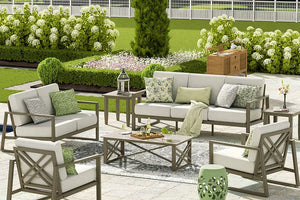
Modern outdoor dining trends for 2025 center on weather‑resistant materials, calm natural colors, and soft modern shapes that balance style with daily use. Teak, aluminum, and mixed materials show up everywhere, paired with earthy tones like sand, taupe, and soft green.
Rounded edges, simple lines, and flexible seating help spaces feel relaxed and current. These choices shape not just how outdoor areas look, but also how they work day to day.
Materials last longer, colors blend with nature, and forms support comfort and movement. The next sections break down what really matters—from smart seating ideas to design choices that connect your space to the outdoors.
What are the Key Materials Defining Modern Outdoor Dining
In 2025, outdoor dining leans on materials that last, cut waste, and look fresh. Sustainable outdoor furniture, smart blends, and surfaces that handle weather without fuss are everywhere.
Sustainable Outdoor Furniture
Sustainability drives outdoor furniture trends more than ever. Brands use recycled plastics, reclaimed wood, and fast-growing woods like bamboo to cut waste and protect forests, all while keeping a modern look.
Recycled plastic lumber leads the way for patio furniture. It shrugs off moisture, doesn’t splinter, and needs almost no upkeep—just a quick clean with soap and water.
Many makers pick certified teak or reclaimed timber for their natural texture and ability to age well outdoors. Choosing sustainable outdoor furniture means supporting longer product life and less waste, without losing comfort or style.
Mixed Material Combinations
Mixed materials show up everywhere now. Blending two or more materials in one piece boosts strength, comfort, and visual interest.
This approach also makes it easier to match furniture to different outdoor settings. Some common combos:
|
Frame Material |
Surface Material |
Why It Works |
|
Aluminum |
Teak or eucalyptus |
Light frame, warm texture |
|
Steel |
Rope or woven fiber |
Strong base, flexible seating |
|
Concrete |
Solid wood |
Weight and stability, natural contrast |
Metal frames keep furniture slim and sturdy. Wood, rope, or fabric soften the look and feel, giving modern patio pieces that signature blend of function and style.
Innovations in Weather-Resistant Materials
Weather-ready materials now run the show in outdoor dining spaces. Fabrics and finishes get designed to resist sun, rain, and temperature swings.
Solution-dyed acrylic fabrics lead the way for seating and cushions. The color runs through the fiber, so it fades less and dries fast.
Powder-coated aluminum and treated steel stand up to rust and chipping. New surface treatments protect stone and concrete tabletops from stains, and some brands add UV inhibitors to plastics and resins.
These improvements help outdoor furniture keep its shape and color all season, even with daily use.
Trending Colors and Nature-Inspired Palettes
Outdoor dining spaces in 2025 lean into colors that feel calm, natural, and easy to live with. Designers pick grounded base colors, clear accent shades, and layered textures that connect furniture to plants and surroundings.
Earthy and Neutral Tones
Earthy and neutral tones set the mood for most modern outdoor dining areas. Think terracotta, sand, taupe, warm gray, and soft clay on tables, chairs, and pavers.
These colors cut down glare in bright light and feel stable year-round. Designers often pair them with natural wood, stone, or concrete finishes, which work beautifully with lush greenery.
Leaves, grasses, and planters pop against these backgrounds without clashing. Neutrals also make it easier to swap out cushions or décor later, so your space stays flexible and practical.
Bold Accent Hues
Bold accent hues bring energy without overwhelming the space. Favorites include sage green, deep blue, rust, muted mustard, and charcoal black.
These colors usually show up on seat cushions, planters, tableware, or umbrellas. One or two strong colors guide the eye and define the dining area—sage cushions might echo nearby plants, while blue ceramics balance warm stone.
Too many bold colors can make things feel chaotic. Keeping accents limited helps the space feel organized and calm.
Textural Color Pairings
Textural pairings matter just as much as color choice. You’ll spot the same color across different materials—smooth metal, woven rope, rough stone—to add depth without visual clutter.
A light gray table might pair with darker gray rope chairs and speckled stone floors. Subtle tone shifts keep things interesting, and matte finishes cut down on shine for a more natural outdoor vibe.
Repeating colors across textures ties the furniture to the landscape, helping your dining area blend better with plants and surrounding surfaces.
Shapes and Forms: Modern Outdoor Design Aesthetics
Shape guides movement, comfort, and balance in modern outdoor dining spaces. In 2025, designers lean into softer lines for relaxed seating and clean geometry for structure.
Curved and Organic Shapes
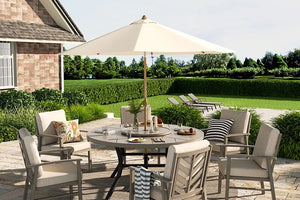
Curved forms bring comfort and a laid-back feel to outdoor dining areas. You’ll notice rounded dining tables, barrel-style chairs, and soft-edged benches everywhere.
These shapes cut down on sharp lines and help spaces feel calm and welcoming. Many trends tie curved designs to biophilic design, echoing natural forms like stones, leaves, and water flow.
Curves also make things more functional. Rounded tables encourage conversation and fit better in tight patios.

Common curved elements in 2025 include:
●Oval or round dining tables
●Chairs with arched backs and arms
●urved built-in seating around fire tables
Minimalist and Geometric Layouts
Geometric shapes add order to modern outdoor dining. Square tables, straight benches, and clean-lined chairs often get arranged with purpose.
Minimalist design keeps the focus on function. Each piece does its job without extra detail, and this style pairs well with modern materials like metal, concrete, and composite wood.
Geometry also supports flexibility. Modular dining sets let you adjust seating for guests or daily use.
Key geometric features to look for:
●Rectangular dining tables with slim profiles
●Cube-shaped stools or planters
●Grid-based layouts that align with decking or pavers
These forms create a modern look that feels intentional and easy to keep up.
Innovative Approaches to Outdoor Seating
Outdoor seating in 2025 is all about flexibility and comfort that matches real-life use. Designers shape seating around changing group sizes, longer stays, and year-round outdoor living.
Modular and Flexible Arrangements
Modular furniture lets you control the layout without buying tons of extra pieces. Move sections apart for small meals or connect them for bigger groups.
This setup works for patios, decks, and mixed-use outdoor living areas. Many modular systems include corner units, armless chairs, and ottomans, all adjustable in minutes.
Materials often include powder-coated metal frames and weather-safe composites that handle frequent shuffling.
Common modular options in 2025
|
Piece type |
Practical use |
|
Sectional units |
Build or reduce seating size |
|
Stackable chairs |
Store easily when not needed |
|
Benches |
Seat more people with less space |
This approach helps you adapt your space without swapping out furniture.
Comfort-Driven Designs
Comfort drives outdoor seating design as much as style now. Seats sit lower, cushions get thicker, and backs offer better support.
Manufacturers use quick-dry foam and UV-resistant fabrics so cushions stay usable after rain and sun. Many chairs feature curved backs and rounded edges for relaxed posture and an inviting feel.
Some key comfort features:
●Deep seat depth for relaxed dining
●Breathable fabrics to reduce heat
●Supportive armrests for longer lounging
These choices make outdoor seating feel like an extension of your indoor setup.
Elevating Outdoor Dining Experiences
Outdoor dining in 2025 is all about comfort, flexibility, and having control over how you use your space. Design choices support cooking, serving, and dining outdoors with fewer limits and better flow.
Integration of Outdoor Kitchens
Outdoor kitchens now act as full cooking zones, not just side features. Built-in grills, prep counters, sinks, and cold storage often sit close to dining tables for easier serving.
Designers lean on stainless steel, sealed stone, and concrete—materials that handle heat, moisture, and heavy use. Covered cooking areas make year-round outdoor cooking possible in many places.
Smart features like LED task lighting, weather-rated outlets, and app-controlled grills add function without clutter. These tools let you cook outside with the same control you’d expect indoors.
Common outdoor kitchen elements
●Built-in grills or pizza ovens
●Prep counters with storage
●Weather-safe lighting and power
Al Fresco Dining Concepts
Al fresco dining in 2025 emphasizes layout and comfort. Clear paths between seating, kitchens, and entry points keep things moving smoothly during meals and gatherings.
Furniture shapes lean toward rounded tables and modular seating, which improve conversation flow and fit more people without crowding. Designers pair these with neutral bases and warm accent colors.
Shade and climate control are still must-haves. Retractable awnings, pergolas, and patio heaters extend use into early mornings and chilly evenings. Many spaces now blend indoor and outdoor areas with sliding walls or wide openings.
Key al fresco design priorities
●Easy circulation
●Flexible seating layouts
●Weather protection
Personalization and Custom Features
Personalization lets people shape outdoor dining around their habits. Custom seating heights, table sizes, and cushion fabrics boost comfort and usability.
Many buyers pick finishes that match indoor spaces for a unified look. Tech features like charging ports, adjustable lighting, or sound controls stay subtle but make a difference in daily use.
Sustainable choices often guide customization—recycled materials, durable fabrics, and energy-efficient lighting keep upkeep and waste low.
Popular custom options
|
Feature |
Purpose |
|
Modular seating |
Adjusts for group size |
|
Custom lighting zones |
Sets mood and visibility |
|
Durable fabrics |
Handles sun and moisture |
Biophilic Design and Connection with Nature
Biophilic design shapes outdoor dining in 2025 by weaving in natural elements that support comfort and well-being. This approach shows up through lush greenery, natural materials, and smooth transitions between indoor and outdoor spaces.
Incorporating Lush Greenery
Placing greenery where people sit, walk, and gather makes outdoor living spaces feel stronger and more inviting. Plants aren't just decoration—they add shade, cut down glare, and soften hard surfaces around dining spots.
Mixing up plant types helps match the vibe and climate of your space. Some favorites include:
●Built-in planters tucked along seating and railings
●Vertical green walls for privacy and a bit of cooling
●Container trees that help define dining zones
Native and drought-tolerant plants keep upkeep low. Herbs and edible plants near dining tables add a nice scent, and they're actually useful too.
Greenery pairs well with natural textures like wood-look decking or stone flooring. This mix supports biophilic design and keeps outdoor dining spaces practical and easy to care for.

Blending Indoor and Outdoor Living Spaces
Reducing visual and physical barriers between indoors and outdoors makes the connection to nature feel stronger. Designers in 2025 are carrying the same materials, colors, and shapes across both spaces.
Some ways to do this:
●Large sliding or folding doors that open up the space completely
●Matching floor materials inside and out
●Consistent furniture styles in both zones
Durable materials that handle sun, moisture, and temperature changes just make sense. These days, outdoor tables, chairs, and wall finishes mimic indoor designs but are built to last longer.
Durability, Longevity, and Smart Solutions
Outdoor dining design in 2025 leans hard into long-term performance. There are a lot more durable materials, smarter furniture, and features that support everyday use outside.
Technology Integration in Outdoor Dining
Tech is finding its way into outdoor dining spots in genuinely useful ways. Many pieces now offer integrated lighting, USB charging, and smart heating controls.
Smart lighting systems tweak brightness as the day goes on. App-controlled heaters let you fine-tune energy use and guest comfort. Some tables and umbrellas even hide sealed power ports for outdoor gadgets.
The best upgrades stay subtle—tech should help, not steal the show. Weather-rated components and simple controls boost reliability and keep maintenance low.
Weather-Ready and All-Season Design
Furniture and layouts built for year-round exposure make outdoor spaces more usable. In 2025, manufacturers focus on powder-coated metals, recycled plastics, treated teak, and high-performance fabrics.
These materials shrug off moisture, UV rays, and big temperature swings. Modular furniture shows up more often, letting you rearrange seating as seasons shift or stash pieces away easily.
Stackable chairs and lightweight tables help protect your investment. All-season design brings in structural touches too—think retractable roofs, wind screens, and built-in drainage. These features help keep spaces open longer and cut down on wear and tear.
Frequently Asked Questions
What are the leading material choices for outdoor dining furniture in 2025?
Weather-resistant materials that need little upkeep are in high demand. Powder-coated aluminum still tops the list since it resists rust and stays light.
All-weather wicker made from HDPE keeps growing in popularity. It handles sun and moisture like a champ, and fits a bunch of design styles.
Teak is still a go-to for wood furniture. It lasts ages, and you can let it weather naturally or keep its original color if that's more your thing.
Which color palettes are dominating the outdoor dining space this year?
Earth tones are leading the way for outdoor dining color trends in 2025. You'll see sand, clay, olive, and warm gray on frames and cushions.
Soft neutrals like beige, taupe, and off-white are everywhere. They work with natural materials and keep the look uncluttered.
Muted accent colors pop up in cushions and decor—rust, navy, and faded green add a bit of contrast without getting loud.
What geometric shapes are most popular in outdoor dining table designs?
Rounded shapes are catching on since they make movement and conversation easier. Round and oval tables fit well in small and medium spaces.
Rectangular tables are still common for bigger patios and decks, giving more flexibility for family meals and gatherings.
Organic shapes with soft edges are showing up more too. These avoid sharp corners and create a laid-back visual flow.
Related Articles

Collection Spotlight: Allure Quick-Dry Seats—Be...
Picture this: dark clouds roll in while you are at work, and by the time you get home, your patio cushions are soaked through. You drag them into the garage,...
Collection Spotlight: Allure Quick-Dry Seats—Be...
Picture this: dark clouds roll in while you are at work, and by the time you get home, your patio cushions are soaked through. You drag them into the garage,...
Continue Reading
How to Style Your Outdoor Dining Area with Azur...
Creating a stylish yet functional outdoor dining space requires more than just placing furniture on your patio. You need pieces that balance durability, comfort, and visual appeal while fitting your...
How to Style Your Outdoor Dining Area with Azur...
Creating a stylish yet functional outdoor dining space requires more than just placing furniture on your patio. You need pieces that balance durability, comfort, and visual appeal while fitting your...
Continue Reading
Collection Spotlight: Arsterie — Modern Look fo...
A conversation set is not a dining set. Where dining furniture is built for meals — tall tables, upright chairs, structured posture — a conversation set is designed for lingering....
Collection Spotlight: Arsterie — Modern Look fo...
A conversation set is not a dining set. Where dining furniture is built for meals — tall tables, upright chairs, structured posture — a conversation set is designed for lingering....
Continue Reading