





Patio Budget Strategy: Should You Invest in Frame First or Fabric/Cushions First?

Introduction
Every patio furniture buyer faces the same frustrating question: with a limited budget, should you spend more on a quality frame or premium cushions? It's the outdoor furniture equivalent of choosing between a reliable foundation and comfortable living—both matter, but which deserves your dollars first?
This dilemma splits buyers into two camps. The "frame-first" believers argue that structural durability is the foundation of any lasting furniture investment. Meanwhile, "comfort-first" advocates insist that premium fabrics and cushions determine whether you'll actually enjoy using your outdoor space day after day. Both perspectives have merit, and the right answer depends on factors most buyers never consider.
This guide cuts through the confusion by examining exactly how frames and fabrics perform over time, when each component should take budget priority, and how to allocate your investment for maximum long-term value. Whether you're working with $1,000 or $5,000, understanding this fundamental trade-off will help you make a smarter patio furniture decision.
What Does "Frame First" vs "Fabric/Cushions First" Mean in Patio Furniture Budgeting?
The frame-first approach prioritizes investing in durable frame materials like aluminum or steel while accepting mid-range cushions, whereas the fabric-first approach allocates more budget to premium performance fabrics like Sunbrella while accepting basic frame materials.
- Frame-first philosophy: This strategy typically allocates 60-70% of your total budget to frame quality, based on the belief that structural durability is foundational to furniture longevity and cannot be easily upgraded later.
- Fabric-first philosophy: This approach directs 50-60% of budget toward cushion and fabric quality, arguing that comfort and appearance drive daily enjoyment and ultimately determine how much you'll use your outdoor space.
- Degradation reality: Frames and fabrics deteriorate at different rates depending on your climate, usage patterns, and maintenance habits, meaning the "better" investment varies by situation.
- Replacement factor: Cushions and fabric covers can be independently replaced without buying new furniture, while frames cannot be upgraded—once you own a steel frame, you can't convert it to aluminum.
- Investment timeline: Understanding which component typically fails first in your specific environment helps determine where your money delivers better returns over 5, 10, or 15 years.
- Total cost perspective: The smartest budget allocation considers not just purchase price but replacement costs, maintenance requirements, and expected lifespan of each component.
What Are the Key Differences Between Aluminum and Steel Patio Furniture Frames?
Aluminum and steel frames represent the two dominant options in outdoor furniture construction, each offering distinct advantages that suit different climates, usage patterns, and budget priorities.
What Are the Advantages of Aluminum Frames for Outdoor Furniture?
- Rust immunity: Aluminum naturally forms a protective oxide layer that prevents corrosion, eliminating rust concerns even in humid, coastal, or high-rainfall environments without requiring additional treatments.
- Lightweight mobility: Aluminum weighs approximately one-third as much as steel, making furniture easy to rearrange for entertaining, move for cleaning, or relocate for seasonal storage.
- Minimal maintenance: Powder-coated aluminum requires no painting, sealing, or protective coatings beyond occasional cleaning with mild soap and water to maintain its appearance.
- Extended longevity: Quality powder-coated aluminum frames can last 15-20 years or more with minimal degradation, significantly outlasting most other frame materials.
- Heat management: Aluminum dissipates heat faster than steel, remaining more comfortable to touch during direct sunlight exposure on hot summer days.
- Corrosion resistance: Even in challenging environments with salt air or pool chemicals, aluminum maintains its structural integrity without the protective coating degradation that affects steel.
What Are the Disadvantages of Aluminum Frames?
- Wind vulnerability: Lightweight construction means aluminum furniture may shift or tip in high-wind environments, potentially requiring anchoring solutions or heavier cushions for stability.
- Dent susceptibility: Hollow tubular aluminum can dent from heavy impacts, though this rarely affects structural integrity or functionality.
- Higher cost: Quality aluminum frames typically cost 20-30% more than comparable steel options, which can strain tighter budgets.
What Are the Advantages of Steel Frames for Outdoor Furniture?
- Superior strength: Steel's higher density provides exceptional stability and weight-bearing capacity, making it ideal for heavy-use scenarios and larger body types.
- Wind resistance: Heavy construction stays firmly in place during storms and high winds without requiring additional anchoring or weighting.
- Classic aesthetics: Steel enables intricate designs including scrollwork, decorative patterns, and ornate details that aluminum cannot easily replicate.
- Lower entry cost: Basic powder-coated steel furniture costs less than aluminum equivalents, allowing budget-conscious buyers to access quality outdoor furniture.
What Are the Disadvantages of Steel Frames?
- Rust potential: Despite protective coatings, steel requires ongoing maintenance and inspection to prevent corrosion, especially in humid or coastal climates.
- Weight burden: Steel furniture is difficult to move for cleaning, rearranging, or seasonal storage, reducing flexibility in how you use your outdoor space.
- Heat retention: Steel surfaces absorb and retain heat, becoming uncomfortably hot to touch during direct summer sun exposure.
- Coating vulnerability: Scratches or chips in the powder coating expose bare steel to moisture, accelerating rust formation and requiring prompt touch-up repairs.
What Are the Key Differences Between Sunbrella, Olefin, and Quick-Dry Foam Cushions?
Outdoor cushion performance depends on both the fabric covering and the foam filling, with each material offering distinct advantages for different climates, usage patterns, and maintenance preferences.

What Are the Advantages of Sunbrella Fabric Cushions?
- Superior fade resistance: Solution-dyed acrylic fibers lock color throughout the entire strand rather than just the surface, maintaining vibrant appearance for 5-10 years even under intense UV exposure.
- Bleach cleanable: Sunbrella can be cleaned with diluted bleach solutions without color damage, making it easy to remove stubborn stains, mold, and mildew that accumulate outdoors.
- Premium comfort: Despite exceptional durability, Sunbrella delivers a soft, cotton-like feel that rivals indoor fabrics in comfort and breathability.
- Industry-leading warranty: Most Sunbrella products carry 5-10 year fade resistance warranties, providing confidence in long-term performance.
- Breathability: Acrylic fibers allow air circulation through the fabric, preventing heat buildup and improving comfort during extended seating.
- Stain resistance: The tight weave and solution-dyed construction resist oil-based stains, sunscreen residue, and everyday spills better than most outdoor fabrics.
What Are the Disadvantages of Sunbrella Fabric?
- Premium pricing: Sunbrella costs 30-50% more than Olefin or standard polyester options, representing a significant portion of many furniture budgets.
- Investment requirement: The higher upfront cost may strain tight budgets, forcing buyers to compromise on other furniture components.
What Are the Advantages of Olefin Fabric Cushions?
- Excellent water resistance: Polypropylene fibers naturally repel water and dry quickly after exposure, reducing moisture-related issues.
- Chlorine resistance: Olefin performs exceptionally well around pools where chlorine exposure would damage other fabrics, maintaining color and integrity.
- Mold and mildew resistance: The fiber structure inherently resists fungal growth even in humid environments, requiring less aggressive cleaning.
- Budget-friendly pricing: Olefin delivers solid outdoor performance at significantly lower price points than premium acrylics, stretching furniture budgets further.
- Stain resistance: Olefin resists oil-based stains and everyday spills, making it practical for outdoor dining and entertaining scenarios.
- Quick drying: The non-absorbent fiber structure allows cushions to dry rapidly after rain, reducing the time furniture remains unusable.
What Are the Disadvantages of Olefin Fabric?
- Heat sensitivity: Olefin can degrade faster under extreme heat or prolonged direct sunlight compared to solution-dyed acrylics.
- Shorter lifespan: Olefin typically lasts 2-4 years in harsh conditions versus 5-10 years for Sunbrella, requiring more frequent replacement.
- Limited cleaning options: Olefin cannot tolerate bleach cleaning, limiting stain removal options for stubborn contamination.
What Are the Advantages of Quick-Dry Foam Cushions?
- Rapid moisture evacuation: Open-cell reticulated foam allows water to pass through and evaporate quickly, often drying within 1-3 hours after rainfall.
- Mildew prevention: Fast drying eliminates the damp conditions that promote mold and mildew growth inside cushions.
- All-weather usability: Cushions with quick-dry foam can remain outdoors during rain without sustaining damage, eliminating the need to rush outside during unexpected storms.
- Comfort retention: Quality quick-dry foam maintains cushion shape, support, and comfort despite repeated moisture exposure.
- Low maintenance: The ability to leave cushions outside regardless of weather significantly reduces the daily effort required to maintain your outdoor space.
What Are the Disadvantages of Quick-Dry Foam?
- Fabric dependency: Quick-dry foam benefits only materialize when paired with breathable, water-resistant fabric covers that allow moisture to escape.
- Variable quality: Foam density and drainage capability vary significantly between manufacturers, making quality assessment important when purchasing.
How Do Frame Materials and Cushion Fabrics Compare in Long-Term Value?
Long-term value depends on understanding how each component's lifespan, replacement cost, and maintenance requirements combine to determine true cost of ownership over your expected furniture lifetime.
- Lifespan comparison: Quality aluminum frames typically last 15-20 years or more, steel frames last 8-12 years with proper maintenance, Sunbrella cushions last 5-10 years, and Olefin cushions last 2-4 years under normal outdoor conditions.
- Replacement cost reality: Cushion replacement typically costs $200-600 per set depending on size and fabric quality, while frame failure requires complete furniture replacement costing $800-3,000 or more.
- Maintenance investment: Steel frames require annual inspection and touch-up of any coating damage; aluminum frames need minimal attention beyond cleaning; Sunbrella needs occasional cleaning; Olefin requires more frequent replacement as it ages.
- Climate impact: Humid and coastal climates dramatically accelerate steel corrosion but minimally affect aluminum; intense sun climates accelerate fabric fading regardless of type, making Sunbrella's UV resistance particularly valuable.
- Usage pattern effects: High-traffic outdoor spaces wear cushion fabrics faster through friction, body oils, and sunscreen exposure, while frames remain relatively unaffected by usage frequency.
- Resale consideration: Quality frame materials retain value better than premium cushions, which show wear regardless of initial quality—buyers of used furniture assess frame condition first.
When Should You Prioritize Frame Quality Over Cushion Quality?
Prioritize frame investment when your outdoor environment, ownership timeline, or usage patterns make structural durability the primary concern for long-term furniture satisfaction.
- Assess your climate: If you live in coastal, humid, or high-rainfall areas, invest in rust-proof aluminum frames that won't corrode over time regardless of exposure conditions.
- Consider wind exposure: For patios exposed to strong or frequent winds, heavier steel frames or well-designed aluminum with adequate weight provides necessary stability without anchoring systems.
- Evaluate your timeline: If you plan to keep furniture for 10 years or longer, frame quality determines whether you'll face complete replacement—cushions can be renewed, but frame failure means starting over.
- Factor replacement logistics: Cushions can be independently replaced through aftermarket suppliers or reupholstery services; frames cannot be upgraded without buying entirely new furniture.
- Calculate total ownership cost: A $1,500 aluminum-frame set with $300 cushion replacements every 4-5 years costs less over 12-15 years than replacing a $900 steel set two or three times due to rust.
- Consider maintenance tolerance: If you prefer minimal upkeep, aluminum frames eliminate the inspection and touch-up requirements that steel demands to prevent corrosion.
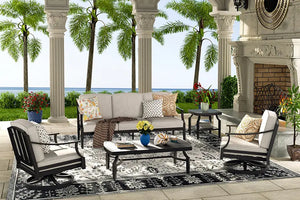
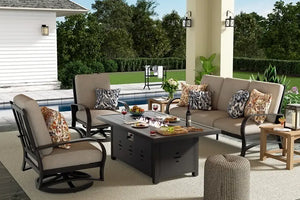
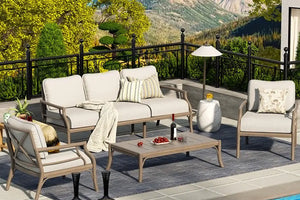
Explore the Chamber Collection for premium aluminum frames paired with Sunbrella cushions—the optimal frame-first investment for long-term outdoor living.
When Should You Prioritize Cushion and Fabric Quality Over Frame Quality?
Prioritize cushion and fabric investment when comfort, appearance, and daily enjoyment outweigh long-term structural concerns for your specific situation.
- Evaluate your climate: If you live in mild, dry climates where rust and corrosion pose minimal concerns, basic steel frames can perform adequately for many years while premium cushions enhance daily comfort.
- Consider usage frequency: For furniture used daily for extended periods, premium cushion comfort directly impacts how much you enjoy and use your outdoor space—inferior cushions discourage outdoor living.
- Assess UV exposure: In intense-sun regions like Arizona, Florida, or Southern California, fade-resistant Sunbrella significantly outperforms budget fabrics that deteriorate within one or two seasons.
- Factor maintenance preference: If you prefer low-maintenance furniture, Sunbrella's bleach-cleanable, fade-resistant properties reduce ongoing care requirements compared to fabrics that need frequent replacement.
- Calculate comfort value: Premium cushions transform adequate furniture into exceptional furniture for daily relaxation and entertaining—this quality-of-life improvement matters if you spend significant time outdoors.
- Consider covered placement: For furniture under pergolas, covered patios, or other protected structures, frames face reduced weather exposure while cushion comfort remains equally important.
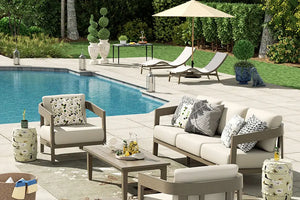
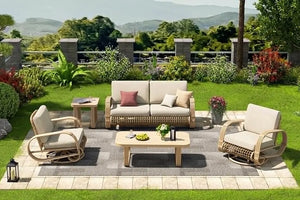
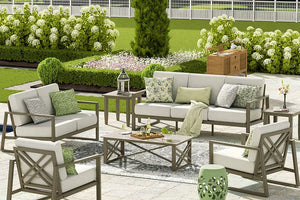
Explore the Arsterie Collection for rust-resistant aluminum frames with cost-effective Olefin cushions—ideal when you want frame durability with cushion replacement flexibility.
How to Choose the Right Patio Furniture Budget Allocation Strategy?
Selecting the optimal budget allocation requires systematically evaluating your specific climate conditions, usage patterns, ownership timeline, and total available budget.
Assess Your Local Climate Conditions
- Coastal and humid regions: Prioritize rust-immune aluminum frames combined with water-resistant, quick-drying fabrics to combat the corrosive effects of salt air and persistent moisture.
- Desert and intense sun regions: Prioritize Sunbrella fabric for superior UV resistance—frames matter less when sun exposure is the primary degradation factor.
- Mild and temperate regions: You have more flexibility to balance based on personal priorities since neither extreme weather nor intense sun dominates the degradation equation.
- High-wind areas: Prioritize heavier steel frames or weighted aluminum designs that provide stability without requiring anchoring systems that complicate furniture arrangement.
Determine Your Usage Patterns and Frequency
- Daily outdoor living: Invest in premium cushion comfort for everyday enjoyment—you'll notice and appreciate quality fabrics every time you sit down.
- Occasional entertaining: Frame durability matters more than peak comfort when furniture sees periodic rather than daily use.
- Poolside placement: Prioritize quick-dry foam and chlorine-resistant Olefin fabrics that handle constant moisture exposure and chemical contact.
- Covered patio use: Fabric quality gains importance relative to frame durability when overhead protection reduces direct weather exposure.
Calculate Your Long-Term Ownership Timeline
- 5-year horizon: Budget options perform adequately for this timeframe; minimize total investment since you'll likely update furniture with life changes anyway.
- 10-year horizon: Invest in quality aluminum frames and plan for one cushion replacement cycle around year 4-5 to refresh appearance and comfort.
- Forever home: Maximum investment in both frame and fabric delivers the best long-term value and eliminates the hassle of furniture shopping for years to come.
Match Budget Tier to Allocation Strategy
- Entry budget ($800-1,500): Prioritize frame quality and accept mid-range cushions you'll replace in 3-4 years; this strategy delivers better 10-year value than cheap frames with premium cushions.
- Mid-range budget ($1,500-3,000): Balance both components; choose aluminum frames with Olefin fabrics for frame longevity with cushion replacement flexibility.
- Premium budget ($3,000+): Invest in both aluminum frames and Sunbrella cushions for maximum longevity, minimal maintenance, and the best cost-per-year of enjoyment.

What Are the Best Frame and Fabric Combinations for Different Budgets?
The optimal combination depends on balancing your initial investment with realistic long-term performance expectations and planned replacement cycles.
Premium Combination: Aluminum Frame + Sunbrella Cushions
This combination delivers maximum durability, minimum maintenance, and the lowest long-term cost per year of use.
- Best for: Long-term homeowners, coastal climates, daily outdoor living, and buyers who prioritize quality over initial savings.
- Expected lifespan: Frames last 15-20 years; cushions last 5-10 years with proper care.
-
Total value proposition: Highest upfront cost delivers the lowest cost-per-year of enjoyment when calculated over the furniture's full lifespan.
-
Recommended option: The Chamber Collection offers rust-proof aluminum frames with hand-brushed finishes and premium Sunbrella fabric that resists fading, stains, mold, and harsh weather.
Value Combination: Aluminum Frame + Olefin Cushions
This combination prioritizes frame longevity while accepting planned cushion replacements as a cost-effective maintenance strategy.
- Best for: Budget-conscious buyers wanting long-term frame investment with acceptable cushion performance and replacement flexibility.
- Expected lifespan: Frames last 15-20 years; cushions last 2-4 years before replacement becomes advisable.
- Total value proposition: Strong frame investment with planned cushion replacements every 3-4 years often costs less than buying multiple complete furniture sets.
- Recommended option: The Arsterie Collection features durable aluminum frames with elegant wicker decoration and 100% Olefin fabric that offers excellent weather resistance and quick drying.
Budget Combination: Steel Frame + Quick-Dry Foam Cushions
This combination minimizes initial investment while providing adequate durability for covered patios, mild climates, or shorter ownership timelines.
- Best for: Covered patios, mild climates, shorter ownership timelines, and buyers prioritizing initial affordability.
- Expected lifespan: Frames last 8-12 years with proper maintenance; cushions last 3-5 years.
- Total value proposition: Lower entry cost with the understanding that steel requires more maintenance attention and may need earlier replacement in challenging climates.
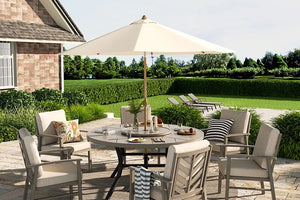
- Recommended option: The Patio Dining Chairs collection includes steel-framed options with quick-dry foam padding, offering practical durability at accessible price points.
How to Maintain Your Patio Furniture Investment for Maximum Lifespan?
Proper maintenance significantly extends the lifespan of both frame and fabric components regardless of initial quality level, protecting your investment and delaying replacement costs.
- Frame care basics: Clean aluminum frames monthly with mild soap and water, rinsing thoroughly to prevent residue buildup. Inspect steel frames seasonally for any scratches or chips in the powder coating, and touch up damage immediately with matching paint to prevent rust formation.
- Cushion care routine: Brush off debris weekly before it becomes embedded in fabric fibers. Spot-clean spills immediately before they set. Deep clean Sunbrella cushions 2-3 times per season using the manufacturer's recommended cleaning solution. Store cushions in dry, ventilated spaces during extended periods of harsh weather.
- Protective measures: Use quality furniture covers during extended periods of non-use to shield frames and fabrics from unnecessary UV exposure and precipitation. Store cushions in deck boxes or indoor spaces during winter months when furniture won't be used. Position furniture to minimize prolonged direct sun exposure when placement options exist.
- Seasonal inspection: Check all hardware for tightness each spring before heavy-use season begins. Examine fabric for signs of wear, weakening seams, or developing tears that should be addressed before they worsen. Verify frame integrity, particularly at joints and connection points where stress concentrates.
- Proactive replacement: Replace cushions before they become uncomfortable or unsightly rather than waiting for complete failure—worn cushions discourage outdoor living and diminish furniture enjoyment.
Protect your furniture investment with quality Outdoor Furniture Covers designed for year-round protection.
Conclusion
The frame-versus-fabric budget question doesn't have a universal answer, but understanding the trade-offs helps you make the right decision for your specific situation. Frame quality determines structural longevity and whether you'll face complete furniture replacement, while cushion quality determines daily comfort, appearance, and how much you'll actually enjoy using your outdoor space.
For most buyers, a slight bias toward frame quality makes sense. Cushions can be independently replaced when they wear out or styles change, but frame failure means starting over with new furniture. Investing in rust-proof aluminum frames provides a durable foundation that can outlast multiple generations of cushion replacements.
Let your local climate guide the final allocation. Coastal and humid environments demand corrosion-resistant frames, while intense-sun regions make fade-resistant fabrics essential. Mild climates offer more flexibility to balance based on personal comfort preferences and budget constraints.
Most importantly, calculate cost-per-year rather than just purchase price. A $2,000 set that lasts 15 years costs less per year than a $1,000 set that needs replacement every 5 years—and delivers better comfort and appearance throughout its longer lifespan.
Ready to build your year-round outdoor living space? Explore collections that match your budget strategy:
- Premium Investment: Chamber Collection — Aluminum frames with Sunbrella cushions for maximum durability
- Value Investment: Arsterie Collection — Aluminum frames with Olefin cushions for frame longevity with replacement flexibility
- Budget Investment: Patio Dining Chairs — Steel frames with quick-dry foam for accessible quality
FAQs
Should I Spend More on Patio Furniture Frame or Cushions?
Prioritize frame quality if you plan to own furniture for 10 years or longer, since frames cannot be upgraded while cushions can be independently replaced as needed.
How Long Do Aluminum Patio Furniture Frames Last?
Quality powder-coated aluminum frames typically last 15-20 years or more with minimal maintenance, significantly outlasting steel alternatives in most climates.
Is Sunbrella Fabric Worth the Extra Cost for Outdoor Cushions?
Yes, Sunbrella's 5-10 year fade resistance and bleach-cleanable durability typically delivers better long-term value than replacing budget fabrics every 2-3 years.
What Is the Best Patio Furniture Material for Coastal Areas?
Aluminum frames paired with solution-dyed acrylic fabrics like Sunbrella perform best in coastal environments where salt air accelerates both corrosion and fading.
Related Articles

Collection Spotlight: Why Marindo Fits Low-Main...
Picture this: a Saturday evening, friends gathered around the patio, drinks in hand, the sun dipping behind the treeline. Nobody is thinking about whether the furniture can handle a spilled...
Collection Spotlight: Why Marindo Fits Low-Main...
Picture this: a Saturday evening, friends gathered around the patio, drinks in hand, the sun dipping behind the treeline. Nobody is thinking about whether the furniture can handle a spilled...
Continue Reading
Collection Spotlight: Who Is the Chamber Collec...
Not every outdoor furniture collection is meant for every backyard. The Chamber Collection — Peakhome's bestselling line — earns that status not by appealing to everyone, but by solving a...
Collection Spotlight: Who Is the Chamber Collec...
Not every outdoor furniture collection is meant for every backyard. The Chamber Collection — Peakhome's bestselling line — earns that status not by appealing to everyone, but by solving a...
Continue Reading
Make Outdoor Cushions Last Longer: Removable Co...
Outdoor cushions take the hardest beating of any patio furniture component. While aluminum frames and HDPE rattan resist years of weather exposure, the cushions sitting on top of them face...
Make Outdoor Cushions Last Longer: Removable Co...
Outdoor cushions take the hardest beating of any patio furniture component. While aluminum frames and HDPE rattan resist years of weather exposure, the cushions sitting on top of them face...
Continue Reading