






Rope Woven Outdoor Furniture: Why It's Defining the Modern Patio — and How to Choose a Set That Lasts

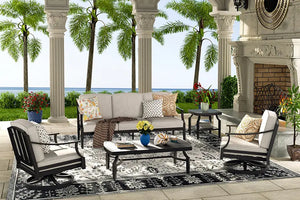
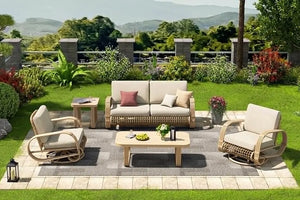
Walk past a stylish patio this season and there is a good chance you will see it: a low, clean-lined sofa with bands of woven rope wrapping its arms and sides, a thick cushion resting inside, the whole piece feeling light and breezy against the stone or the water behind it. Rope woven outdoor furniture has moved from a niche look to one of the most sought-after styles in outdoor living, and it is easy to see why.
The appeal is part beauty and part substance. Woven rope brings a soft, handcrafted texture that warms up the hard lines of metal and wood, while the open weave keeps things feeling airy rather than heavy. Underneath that coastal charm lies real engineering: today's outdoor rope is a high-performance synthetic built to shrug off sun, rain, and salt for years.
This guide explains what rope woven furniture actually is, the rope materials that matter, how the rope is used in a piece (which turns out to be the difference between a set that lasts and one that disappoints), and how to recognize quality before you buy.

What Is Rope Woven Outdoor Furniture?
Rope woven outdoor furniture is a category of patio seating that pairs a sturdy frame with woven synthetic rope. The frame — usually aluminum, teak, or steel — provides the structure and carries the weight, while the rope is woven across or around it to create texture, pattern, and a distinctive modern silhouette.
What many shoppers do not realize is that rope plays two very different roles depending on the design. On some pieces, the rope is woven into the actual seating surface, forming the seat or back a person sits against. On others — increasingly the approach favored by premium brands — the rope is woven onto the arms, sides, and back as a decorative architectural accent, while a solid frame beneath the cushion does the work of supporting your weight. Both deliver the woven look; they simply ask different things about the rope. We will come back to this distinction, because it matters more than almost anything else.
The style has surged in popularity because it reads as effortless and contemporary. The woven surface breathes well, so seating stays cooler on hot afternoons, and the semi-transparent quality of the weave keeps furniture from blocking sightlines to a pool, a garden, or a view. Those qualities have made rope a favorite for patios, decks, terraces, and poolside lounges.
How Rope Weave Differs From Rattan & Wicker
Shoppers often blur rope weave, rattan, and wicker together, but they are not the same thing, and sorting them out makes everything else clearer.
Rattan is a material — a natural cane, or a synthetic imitation of one — and its weaves tend to be stiff and hold a fixed, rigid shape. Wicker is not a material at all but a weaving method, in which thin strands (natural or synthetic) are wrapped tightly over a frame. Rope weave, by contrast, uses round or flat synthetic rope that is soft, flexible, and prized for its tactile warmth and the clean, modern patterns it can create. Where rattan and wicker read traditional or cottage-like, rope reads architectural and current — which is a big part of why designers keep reaching for it.
The Materials Behind the Rope: Olefin, Textilene & PE
Not all rope is created equal, and the fiber a manufacturer chooses tells you a great deal about how a set will perform. Today's quality outdoor rope is a far cry from the natural cotton and jute of decades past; it is engineered specifically to live outside. Three materials dominate the better end of the market.

Olefin is the standout for premium rope furniture, and for good reason. Olefin is a synthetic fiber made from polyolefins, and the best versions are solution-dyed, meaning the color pigment is mixed into the liquid polymer before the fiber is even formed. The color runs all the way through the strand rather than sitting on the surface, which gives olefin industry-leading resistance to fading even under intense, year-round sun. It is naturally hydrophobic, so it sheds water, dries quickly, and resists mold and mildew, yet it keeps a soft, almost fabric-like hand that feels good to the touch. As a bonus, olefin is energy-efficient to produce and fully recyclable. When a set is described as using olefin rope, that is a signal of quality.
Textilene is a PVC-coated polyester mesh, best known for being virtually waterproof — it absorbs essentially no water, so spills bead up and wipe away, and the surface dries almost instantly after rain. It is tough, easy to clean, and holds up well against UV exposure, which is why it appears so often on sling-style seating and high-traffic commercial pieces.
PE (polyethylene), and especially HDPE, is a durable, weather-resistant rope that resists UV, moisture, and stretching while drying quickly after a storm. It is a dependable workhorse that shows up across many well-made outdoor collections.
Across all three, the detail worth confirming is simple: the rope should be a UV-stabilized, solution-dyed synthetic engineered for the outdoors. That is what separates rope built to keep its color and strength for years from the cheap, untreated cord that fades and grows brittle after a season or two.
Where the Rope Goes: Decorative Accent vs. Woven Seat
Here is the distinction that quietly determines how a rope set ages — and the one shoppers most often miss.
When rope forms the entire seating surface, it carries your full weight every time you sit down. On a well-built piece with a dense weave, proper tension, and a support layer underneath, that works beautifully for years. But on a cheaply made all-rope seat, the rope can slowly loosen and the seat can begin to dip over time. This is the origin of the "rope furniture sags" reputation you may have read about — and it is specifically a risk of low-quality, all-rope seats, not of rope furniture as a whole.
The more refined approach sidesteps the issue entirely. On these designs, the rope is woven onto the arms, back, and sides as a decorative architectural feature, contributing all the texture, pattern, and breezy coastal character you want — while the seat itself rests on a solid frame that carries the load. Because the seat's support never depends on rope tension, seat sag simply is not part of the equation. You get the handwoven look without the durability trade-off.
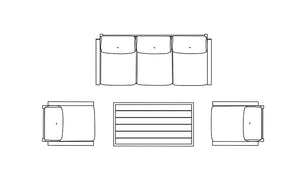
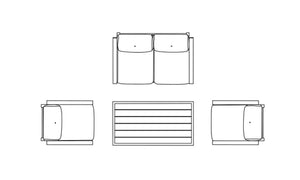
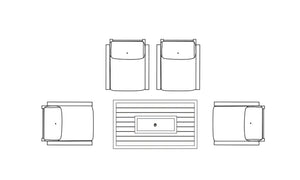
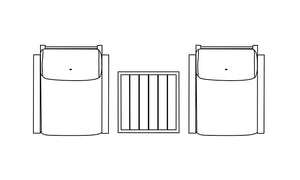
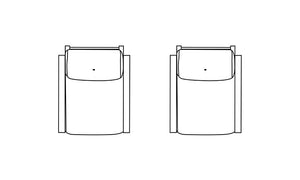
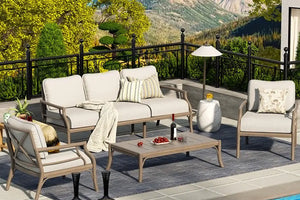
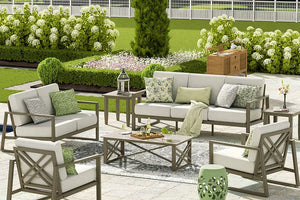
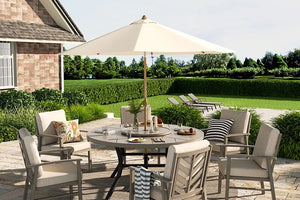
Peak Home's Positano Aluminum Patio Sofa is a clear example of this construction. Its sofa and club chairs are built on a powder-coated aluminum frame finished in a warm teak-grain texture, with artisanal olefin rope woven vertically across the arms and sides for that layered, coastal feel. The seat is supported by the aluminum frame and topped with plush six-inch, high-resilience foam cushions upholstered in Sunbrella solution-dyed acrylic — so the comfort comes from engineered cushioning over a structural seat, and the rope is free to do what it does best: look beautiful. It is the woven aesthetic, minus the worry.
Why Choose Rope Woven Outdoor Furniture for Your Space?
Beyond its good looks, rope woven furniture earns its place on the patio for practical reasons.
It stands up to the weather. Quality synthetic ropes such as olefin and PE are engineered to resist fading, mildew, and salt corrosion, and they dry fast after rain. Paired with a rust-resistant powder-coated aluminum frame, a good set is built to handle sun, humidity, and coastal air season after season.
It is breathable and comfortable. The open weave lets air circulate, so woven surfaces stay cooler to the touch than solid metal or plastic on a hot day. Rope's gentle flexibility also adds a soft, contouring feel, and when paired with thick performance-fabric cushions, the comfort is genuinely lounge-worthy.
It brings visual lightness. Bulky frames can dominate a small patio or interrupt a view. Rope's semi-transparent weave keeps sightlines open and furniture feeling airy, letting the architecture and landscape stay the stars of the space. This is exactly why the look has taken hold everywhere from minimalist terraces to poolside lounges.
It is low-maintenance and adaptable. Synthetic rope resists dirt and cleans up with mild soap and water, and its neutral tones — sand, taupe, greige, charcoal — pair effortlessly with wood, stone, metal, and greenery, sliding into nearly any style from coastal casual to sleek modern.
How to Choose a Quality Rope Woven Set
A short series of checks separates a set built to last from one that will let you down. Whether you are in a showroom or reading a product page, look for these markers.
Start with the frame. Aluminum is lightweight, rust-resistant, and of excellent value, and the best aluminum frames are powder-coated for an added layer of protection — many premium outdoor lines favor it for precisely this reason. Steel is strong but needs a quality anti-rust finish, and teak is a beautiful natural hardwood that costs more and asks for a little upkeep. Whatever the material, confirm the frame feels solid and the welds or joints look clean.
Identify the rope. A quality brand names its rope material — olefin, Textilene, or PE/HDPE — rather than leaving it vague, and will confirm that it is UV-stabilized and solution-dyed. That single piece of transparency is one of the strongest predictors of a long, fade-free life.
Inspect the weave and stitching. The weave should look tight and even, and the stitching and joints should show no fraying or loose ends. On accent-weave designs, the rope should be wrapped cleanly and consistently along the frame.
Check the cushions. Comfort and longevity come from the cushions as much as the rope. Look for a high-performance fabric such as Sunbrella, which resists fading, stains, and water, ideally over thick, high-resilience foam, with removable, washable covers for easy care.
Choose a transparent brand. A dependable brand publishes its materials and specs, offers a clear written warranty, and stands behind its products with real support. When the verifiable details are out in the open, you can buy with confidence.
How to Care for Rope Woven Outdoor Furniture
A little routine care keeps a rope set looking sharp for years:
● Clean the rope and frame regularly with mild soapy water and a soft cloth or brush, rinsing thoroughly and avoiding abrasive cleaners and pressure washers.
● Wash cushion covers per the manufacturer's instructions — typically a mild detergent on a cold, gentle cycle — and let them air-dry completely.
● Dry the set thoroughly after wet weather, which is especially important at the end of a rainy season, to prevent mold and mildew.
● Use a breathable cover or store the set during the off-season or extended non-use to limit prolonged exposure to the elements.
Good care cannot stop time entirely, but it slows aging by a wide and meaningful margin.

FAQs
Does rope woven outdoor furniture sag over time?
It depends entirely on how the rope is used. On cheaply made sets where rope forms the whole seat, a low-quality weave can loosen and the seat can begin to dip. But on quality designs — particularly those where the rope is a decorative accent and the seat is supported by a solid aluminum frame, like the Positano — the seat's support never relies on rope tension, so sagging of the seat is not a concern. Choosing a well-built set, and confirming how the seat is supported, is what makes the difference.
How long does rope woven outdoor furniture last?
With a quality synthetic rope such as olefin or HDPE, a rust-resistant powder-coated frame, performance-fabric cushions, and regular care, a good set can last many years of outdoor use. Material, construction, and maintenance work together to set the true lifespan.
Can I leave rope woven furniture outside year-round?
It is built to handle the elements, but covering it or bringing it in during harsh winters or long periods of non-use will help it last even longer. Always let cushions and rope dry fully before storing.
Is rope woven furniture a good choice for coastal areas?
Yes. Quality synthetic ropes handle salt air and humidity well, and a powder-coated aluminum frame resists the corrosion that troubles untreated metal near the water — making rope furniture a natural fit for poolside and coastal homes.
How do I clean it without causing damage?
Mild soapy water and a soft brush are all you need. Steer clear of pressure washers and harsh solvents, which can damage the rope and stitching, and dry everything completely afterward to prevent mildew.
Conclusion
Rope woven outdoor furniture has earned its moment for reasons that hold up to scrutiny: it pairs handcrafted, breezy texture with engineered, weather-ready performance, and it brings a lightness to outdoor spaces that bulky frames simply cannot. The keys to choosing well are knowing your rope materials — olefin, Textilene, and PE lead the field — understanding how the rope is used in a given piece, and confirming the quality of the frame, the weave, and the cushions.
For readers who want to see those standards in finished form, Peak Home Furnishings builds its rope woven seating around exactly these priorities: powder-coated aluminum frames, artisanal olefin rope detailing, and weather-ready Sunbrella cushions over high-resilience foam — the woven look, engineered to hold its shape. Anyone planning an outdoor refresh this season can explore Peak Home’s Positano collection or browse the full patio conversation collection to find a set built to look beautiful and last.
Related Articles

Patio Budget Strategy: Should You Invest in Fra...
Introduction Every patio furniture buyer faces the same frustrating question: with a limited budget, should you spend more on a quality frame or premium cushions? It's the outdoor furniture equivalent...
Patio Budget Strategy: Should You Invest in Fra...
Introduction Every patio furniture buyer faces the same frustrating question: with a limited budget, should you spend more on a quality frame or premium cushions? It's the outdoor furniture equivalent...
Continue Reading
First-Time Patio Checklist: The 3 Categories Yo...
Furnishing a patio for the first time can feel overwhelming. Dozens of product types, materials, and price points compete for attention, and without a clear plan, most beginners either overspend...
First-Time Patio Checklist: The 3 Categories Yo...
Furnishing a patio for the first time can feel overwhelming. Dozens of product types, materials, and price points compete for attention, and without a clear plan, most beginners either overspend...
Continue Reading
How to Build a Year-Round Outdoor Lounge: The C...
Introduction There's something magical about gathering outdoors as the sun sets and the temperature drops. While summer patios buzz with activity, the true secret to maximizing your outdoor living investment...
How to Build a Year-Round Outdoor Lounge: The C...
Introduction There's something magical about gathering outdoors as the sun sets and the temperature drops. While summer patios buzz with activity, the true secret to maximizing your outdoor living investment...
Continue Reading