





Types of Patio Chairs: A Practical Guide to Styles and Materials

Patio chairs are made for outdoor spaces like decks, pools, and gardens. The main types include lounge and reclining chairs, Adirondack and classic chairs, dining chairs, folding and stackable chairs, bar-height seating, cushioned lounge chairs, and specialty designs like rockers and zero-gravity chairs.
Each style fits a different posture and purpose, so picking the right one changes how comfortable and durable your setup feels. Outdoor patio chairs differ by seat height, back angle, weight capacity, and materials like aluminum, resin, teak, or steel.
Since weather can cause moisture damage and fading, materials with rust resistance, UV ratings, and quick-dry cushions last longer. That’s why you’ll notice some chairs work better for dining areas, while others suit lounging or small patios.
Mobility and size matter too. Some chairs fold, others stack, and deep-seat club styles take up more room. Features like cushion thickness or bar-height legs make a difference, so it’s worth thinking about how these details fit your space and habits.
Lounge & Reclining Chairs
Lounge chairs let you stretch out, thanks to extended leg support and adjustable backs. You can sit up or recline flat, depending on what feels right in the moment.
Chaise lounges use a longer, sloped frame to support your legs—no footrest needed. They’re great for sunbathing or poolside naps, and if you pick one with wheels, moving it around is a breeze.
Reclining patio lounge chairs add locking hinges for stability. Zero-gravity models shift your weight, which takes pressure off your lower back—honestly, that’s a relief after a long day.
Materials change performance and care. Aluminum and steel frames boost strength, while mesh dries fast. Cushions make things softer but need to be brought in when it rains.
Compared to dining chairs, lounge chairs focus on range of recline over upright support. Foldable ones squeeze into small patios, while bigger chaise lounges need more open space.
Adirondack & Classic Outdoor Chairs
Adirondack chairs stand out with their slanted seat, wide armrests, and tall back. The angle shifts your weight back, making long sits more comfortable and less taxing on your legs.
The wide arms double as a handy spot for drinks or books—no side table needed. That’s a nice bonus if your patio’s short on space.
Wood like cedar resists rot but needs sealing, while poly or plastic versions shrug off moisture and need less fuss. Classic outdoor chairs, like upright dining or bistro types, keep their seats level and backs straight, so they’re better for eating than lounging.
Frame design decides where each chair fits best. Adirondacks gather around fire pits, while classic chairs pull up to tables.
Adirondack chairs often sit lower, which makes standing up a bit harder. Classic chairs, with their higher seats, make it easier to get in and out—good for frequent use.
Dining Chairs
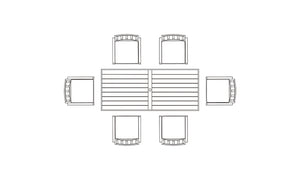
Dining chairs are built for meals at outdoor tables. Most measure 17–19 inches from floor to seat, matching tables around 28–30 inches tall, so you sit at a comfortable height for eating.
Manufacturers use weather-resistant materials to handle sun and rain. You’ll find finishes and frames that fight rust, rot, and fading, which means less maintenance for you.
Some dining chairs are stationary—great for tight spaces. Others swivel or rock, adding a bit of comfort if you’ve got room to spare.
Armrests add support but need more space, while armless models save room and stack easily. Cushions make things softer, and quick-dry fabrics mean you’re not waiting forever after a rainstorm.

Folding & Portable Chairs
Folding and portable patio chairs focus on easy storage and quick setup. Fold them flat and stash them in a closet, shed, or even your trunk—super handy for spontaneous gatherings.
Steel or aluminum frames keep them strong but light. Fabric or sling seats dry quickly, making them perfect for the pool or beach, while plastic seats resist water and need less upkeep.
Most fold down to under six inches thick, so you can carry a few at once. Models with armrests and mesh seats feel cooler in hot weather, but armless designs save space if you’re tight on room.
People grab these for camping, tailgates, or just extra patio seating. Load ratings usually fall between 250 and 300 pounds, so check that if you need something sturdier.
Stackable & Space-Saving Chairs
Stackable patio chairs nest vertically, saving space on small patios, balconies, or decks. You can set up or put them away fast, no tools needed.
Manufacturers use rigid frames and flat seats, often in resin, aluminum, or molded plastic. That keeps them light but sturdy, so you can move a stack without breaking a sweat.
Stackable chairs skip hinges, so they’re less likely to wobble over time. Non-slip foot pads help avoid sliding and floor marks, which is nice if you’ve got tile or wood outside.
Hosts love these for flexible seating—just grab more from the corner or shed when friends drop by. It keeps your patio uncluttered, but ready for a crowd.
Bar Stools & High Seating
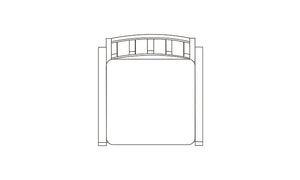
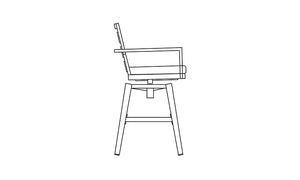
Bar stools and high seating work with bar-height tables and counters, usually 28–30 inches tall. They put you above standard chairs, so you get a better view at bars or pool edges.
Frames are often plastic, metal, or resin, built to handle weather without much fuss. Perforated or slatted seats drain water fast, so you’re not stuck with puddles after rain.
Some stools swivel for easy entry, while cushioned versions add comfort for longer hangs. Just remember, those cushions need removable covers for cleaning.
Chairs with backs are comfier for dining, but backless stools tuck under tables and save space. Pick what fits your setup—and your style, honestly.
Swing, Egg & Specialty Chairs
Swing, egg, and specialty chairs bring motion or unusual shapes to patio seating. Since these chairs move or cradle your body, they need strong frames, clear weight limits, and stable mounts.
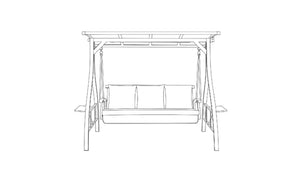
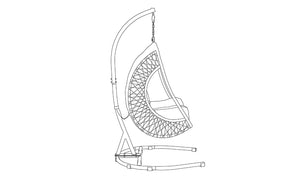
Swing chairs hang from a stand or beam. Steel or aluminum frames handle outdoor weather and keep the sway steady.
They work well on porches and patios where you want to keep the floor space open. Egg chairs use a curved shell with cushions.
The enclosed shape blocks wind and supports your back and sides. Thick cushions and sturdy shells make long sits much more comfortable.
Hammock chairs hang fabric from one or two points. The cloth spreads your weight, taking pressure off your joints.
They fit tight spaces but need strong anchors. Other specialty chairs, like swivel loungers and pod chairs, use rotating bases or deep seats for a relaxed posture.
You'll often find them near pools or tucked in quiet corners. Since these chairs move and take up space, you need to leave enough room around them.
Pick a chair with a frame and weight rating that actually fits your patio layout, so everything stays safe and comfortable.
Club & Deep-Seat Lounge Chairs
Club and deep-seat lounge chairs offer wide frames, low seats, and thick cushions. Seat depth usually falls between 22–26 inches, which lets you lean back and relax.
Thicker cushions—think 4–6 inches—make a real difference for comfort and support. They help prevent sagging and keep you comfy for hours.
Frame material matters for both durability and style. Aluminum resists rust, while wicker gives texture and warmth.
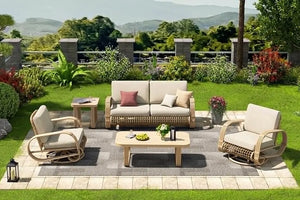
Aluminum works best in wet climates, and resin wicker fits covered patios. Deep-seat chairs focus on lounging, not upright support, so they take up more space than dining chairs.
Arm height and back angle shape how you use them. Higher arms are great for conversation spots, and these chairs usually pair with low tables instead of dining sets.
Cushioned & Upholstered Outdoor Chairs
Cushioned and upholstered outdoor chairs add padding to rigid frames for extra comfort. Foam density and fabric weave affect support and how long the chair lasts.
Thicker cushions mean fewer pressure points and better durability. Manufacturers often use wicker, metal, or teak frames.
Woven resin wicker resists moisture, so cushions stay cleaner and hold their shape. Metal frames add strength but can feel cool in the summer.
Outdoor upholstery often uses solution-dyed acrylics like Sunbrella or polyester blends. Since the dye runs through the fiber, colors fade less, keeping chairs looking good longer.
Removable covers make cleaning and drying after rain easier. Chairs come in dining, lounge, or swivel styles, but moving parts can bump up the price.
Cushioned seats feel softer than sling chairs but need more care. Store them during storms and spot clean to keep mildew away and fabric fresh.
Specialty Functional Chairs (Zero Gravity, Rockers)
Specialty functional chairs focus on motion and body support instead of staying fixed. These chairs adjust position or movement to ease joint pressure and boost comfort during long use.
Zero gravity chairs recline so your legs rise above your heart. A balanced angle and bungee cords spread your weight, easing pressure on your back and legs.
They’re popular on pool decks and patios, and many models fold flat for easy storage. Outdoor rocking chairs use a curved base for gentle, soothing motion.
Some let you lock them in place when you want to stop rocking. Swivel rocker chairs combine rotation and rocking, so you can turn easily while relaxing.
Outdoor recliners offer adjustable backrests and footrests. You can set different positions for reading, resting, or sunbathing, and most use breathable fabric with metal frames to handle the weather.

Outdoor Chair Materials & Durability
Outdoor chair materials shape strength, weather resistance, and upkeep. Patios face sun, rain, and heat, so your choice really affects how long a chair lasts and looks good.
Plastic patio chairs use molded resin or polypropylene. Non-porous plastic resists water and stains, dries quickly, and needs little care.
UV inhibitors slow fading, but thin plastic can flex and lose strength over time. Metal patio chairs use aluminum, steel, or wrought iron frames.
Aluminum resists rust, making it great near pools. Steel is stronger but needs powder coating to avoid rust, especially if the paint chips.
Wood and wicker show up too, but their durability depends on treatment. Teak oils help wood resist rot, and resin wicker wraps a metal core for extra strength.
It makes sense to match material properties to your climate, weight needs, and how much maintenance you’re willing to do.
How to Choose the Right Outdoor Chair for Your Space
Picking the right outdoor chair comes down to space, climate, and purpose—each one sets real limits on size, materials, and function.
-
Space: Space decides chair size and layout. A balcony chair uses narrow frames and stackable designs, while gardens allow wider lounge chairs. Poolside areas need chaises with room to walk around.
-
Climate: Climate steers your material choice. Weather-resistant frames help poolside chairs handle splashes and sun. Humid areas work best with aluminum or resin, while dry climates can handle sealed wood.
-
Function: Function sets seat height and posture. Dining chairs need to match table height, while lounge chairs recline for rest. Rocking chairs are perfect for gentle motion.
-
Size: Size affects comfort and how easy it is to move around. Measure seat width, depth, and clearance to avoid crowding and keep patios safe.
-
Style: Style should fit your setting. Modern spaces look best with clean lines, metal, or molded resin. Classic gardens pair well with wood or wicker.
-
Comfort: Comfort depends on cushions and support. Choose breathable fabrics and firm seats to cut down on heat and sagging, so you can sit longer without discomfort.
Maintenance & Care Tips for Outdoor Chairs
Outdoor chairs take a beating from sun, moisture, and dirt. UV rays break down finishes and fabrics, so it's smart to keep chairs in the shade or cover them when you can.
Material matters for care routines. Wood chairs need oil or sealant once or twice a year because the grain just soaks up water.
If you leave wood untreated, it'll swell or crack. Metal chairs need regular rust checks since steel reacts to moisture, but aluminum holds up better and just needs a quick wash with mild soap.
Cleaning more often really helps chairs last. A soft brush and some mild detergent will get rid of grit that scratches or messes with joints.
This keeps frames sturdy and hinges moving without any fuss. Cushions and fabrics? They need their own attention.
Fabric holds onto moisture longer than frames, so always dry cushions all the way to avoid mold. Solution-dyed acrylic holds its color better than polyester, which you'll probably want to bring inside if it rains for days.
How you store chairs changes everything. Folding chairs store flat and take stress off joints.
Stackable chairs need even weight, or you'll end up with bent legs or loose screws. It's easy to mess this up if you're in a hurry.
FAQ
What types of patio chairs fit different uses?
Patio chairs come in styles like dining chairs, Adirondack chairs, chaise lounges, rocking chairs, and folding chairs. Each type has a different seat height and back angle, so dining chairs keep you upright for meals, while chaise lounges let you stretch out and relax.
How do materials affect patio chair performance?
You’ll find patio chairs made from wood, metal, plastic, or wicker. Metal stands up to warping, plastic shrugs off moisture, and wood stays sturdy if you care for it. Your climate and storage options will probably steer your decision here.
What seat features affect comfort the most?
Seat depth, back angle, and arm height all play a part in comfort. Deeper seats feel better for lounging, while upright backs work best for dining. Most people mix and match chair types for different spaces.
Are swivel or rocking chairs practical outdoors?
Yes, they are practical outdoors. Swivel chairs spin on a base, and rocking chairs move on curved runners. Moving parts do wear out eventually, but sealed bearings and treated runners last longer outside. Maintenance and cost can add up, but some folks love the motion enough to make it worth it.
Related Articles

Small Balcony Dining: How to Choose Bistro & Co...
Small balcony dining works best when the furniture fits the space, seating height, and daily use without blocking movement. A well-chosen bistro or compact dining set depends on three factors:...
Small Balcony Dining: How to Choose Bistro & Co...
Small balcony dining works best when the furniture fits the space, seating height, and daily use without blocking movement. A well-chosen bistro or compact dining set depends on three factors:...
Continue Reading
Do You Need a Lazy Susan Outdoor Table? Practic...
A Lazy Susan outdoor table makes it easier for multiple people to share food and keeps dishes within reach, but it is not necessary for every patio setup. If a...
Do You Need a Lazy Susan Outdoor Table? Practic...
A Lazy Susan outdoor table makes it easier for multiple people to share food and keeps dishes within reach, but it is not necessary for every patio setup. If a...
Continue Reading
Round Dining Tables: Best For Who? 4-Seat vs 6-...
Round dining tables work best for small groups, conversation-focused meals, and compact dining spaces. A 4-seat round dining table suits small families and tight layouts, while a 6-seat round table...
Round Dining Tables: Best For Who? 4-Seat vs 6-...
Round dining tables work best for small groups, conversation-focused meals, and compact dining spaces. A 4-seat round dining table suits small families and tight layouts, while a 6-seat round table...
Continue Reading