
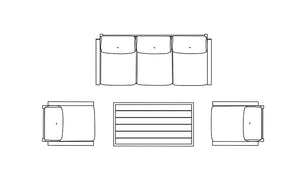
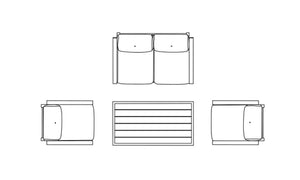
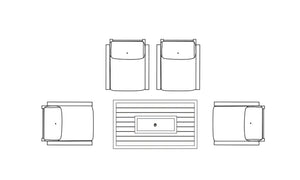
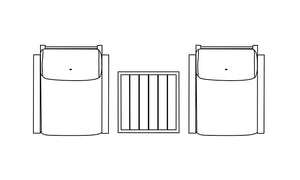







Outdoor Bench vs Chairs: Space Saver or Comfort Tradeoff? (2026 Guide)

Outdoor bench vs chairs comes down to this: benches save space and fit more people, while chairs give better personal comfort and flexible layout options. If space is tight, a bench usually maximizes seating, but if comfort and easy rearranging matter most, chairs win. The right choice depends on how the patio, deck, or garden area gets used day to day.
This article breaks down the core differences between outdoor bench seating and outdoor chairs, including seating comfort and posture, patio traffic flow and accessibility, and outdoor durability in sun, rain, and coastal air.
It also explains how uneven surfaces affect stability and how materials such as high-quality teak with natural oils or powder-coated aluminum handle weather exposure, so outdoor furniture lasts longer and performs as expected.
Understanding Outdoor Chairs
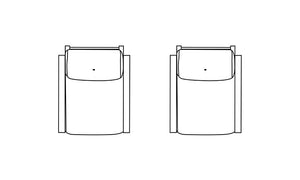
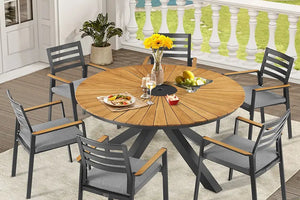
Outdoor chairs focus on individual comfort and flexible seating. Unlike a bench, each person gets a defined seat, backrest, and often arm support. Because the backrest supports the spine during longer meals or conversations, this design improves posture.
Common types include:
- Armchairs – wider seats with side support
- Stackable chairs – lightweight frames that stack vertically
- Swivel chairs – rotating bases for easier movement
- Folding chairs – hinged frames for compact storage

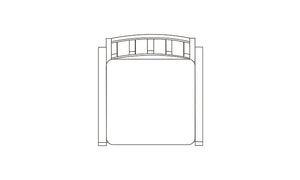
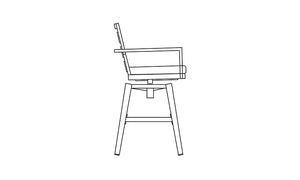
Shop the look: Azur Patio Swivel Dining Chair with Sunbrella® Cushions
Most outdoor dining chairs measure 17–19 inches in seat height, 16–20 inches in seat width, and 15–18 inches in seat depth. These dimensions match standard outdoor dining tables at about 28–30 inches high. In practice, this height pairing keeps knees and elbows at a natural angle.
Material choice shapes performance. Because the coating seals the metal from moisture, powder-coated aluminum resists rust. For the user, this means less corrosion in humid climates. Teak, which contains natural oils, slows water absorption. This reduces cracking outdoors.
Resin or polypropylene plastic handles rain well and wipes clean with mild soap; UV-stabilized plastics also resist fading and cracking under sun exposure. Because the color runs through the fiber, chairs with weather-resistant cushions, such as solution-dyed acrylic fabric, resist fading. In other words, sun exposure causes less visible wear.
Pros
- Better back support for long seating
- Easy to rearrange for guests
- Works well with round tables and small balconies
Cons
- Takes more floor space than a bench
- Seats a fixed number of people per chair
Understanding Outdoor Benches
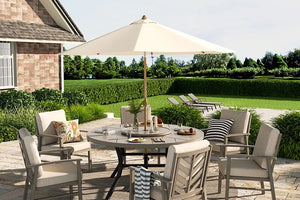
Outdoor benches seat two or more people on one shared surface, which makes them a practical choice when saving floor space matters. In the outdoor bench vs chairs debate, because one frame supports several users instead of using multiple chair bases, benches often win on footprint.
Common types of outdoor benches include:
- Backless benches – flat seat, no back support
- Backrest benches – fixed rear support for longer sitting
- Foldable benches – hinged legs for compact storage
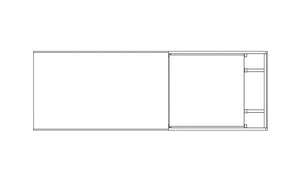
- Storage benches – built-in compartment under the seat

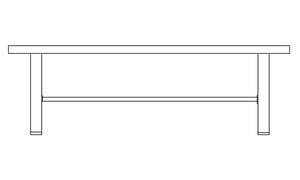
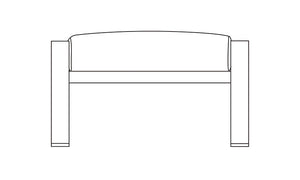
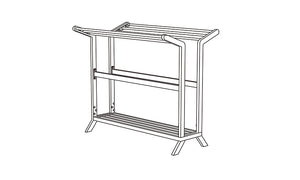
Peakhome Furnishings provides Azur Patio Aluminum Bench with Sunbrella® Cushions
A standard outdoor bench measures about 17–18 inches high, 15–18 inches deep, and 48–72 inches long. Because the design runs in a straight line, it fits tight against patio walls, garden edges, or deck rails. In practice, this means homeowners can seat three people in a space where only two separate chairs might fit.
Material choice shapes durability and comfort. For example, high-quality teak with natural oils contains natural oils that resist moisture and insects. Because these oils sit within the wood fibers, the bench handles rain and sun exposure with less cracking. For the user, this means less frequent sealing and fewer repairs.
Because the baked-on coating seals the surface, metal frames made from powder-coated steel resist rust under typical outdoor conditions; coastal or high-humidity environments may still require extra care. Plastic benches made from high-density polyethylene (HDPE) resist water absorption, which reduces swelling or rot.
Pros
- Seats multiple people in one footprint
- Slides under patio tables when not in use
- Creates a clean, linear layout
Cons
- Limited back and arm support on some models
- Less flexibility than moving individual chairs
Outdoor benches pair well with rectangular patio tables, firepit zones, and narrow balconies where layout control matters.
Outdoor Bench vs Chairs: What are the Core Differences?
The core difference in the bench vs chair debate comes down to space use, personal comfort, and layout flexibility. Each type of seating furniture serves a clear role in outdoor furniture design.
Space Efficiency
A bench seats multiple people on one frame, often 48–72 inches wide, which allows two to three adults to sit in the footprint of a single unit. Because it uses one base instead of several legs and backs, it reduces visual and physical clutter. For the user, this means more open floor area on a small patio or deck.
Chairs require separate frames for each person. Three dining chairs often take more total width than one 60-inch bench, especially when spaced for elbow room.
Comfort & Ergonomics
A chair supports one person with an individual backrest and, in many cases, armrests. This structure allows each person to adjust position easily. In practice, this translates to better comfort during long meals.
A bench shares one seat and back. Without cushions, pressure spreads across a flat surface. Because the padding reduces direct contact with the hard frame, adding foam cushions with outdoor-rated fabric improves comfort.
Flexibility & Layout
Chairs move, stack, or rearrange with ease. This mobility allows quick layout changes for dining or conversation.
Benches often sit against walls or along tables. This fixed placement works well for narrow spaces and family gatherings where children can slide in and out.
How to Choose Between Bench and Chair?
Choose a bench when seating capacity and floor space matter most. Choose a chair when personal comfort and flexible layout matter more.
Start with the patio type.
On a narrow balcony, because it uses one straight line instead of several chair legs, a backless bench placed against a wall saves depth. In practice, this leaves more open floor for walking.
On a wide deck or backyard lounge, chairs spread out seating zones. They allow people to turn and shift, which supports long meals or conversations.
Match seating to group size.
Because it removes arm gaps between seats, a single outdoor bench can seat three adults in the same footprint as two chairs. For families or frequent guests, this increases seating capacity without adding clutter.
For couples or small groups, individual chairs give each person control over posture and spacing.
Check table pairing and height.
A dining table at 28–30 inches high fits most standard chairs. A bench should slide under the table to allow about 16–24 inches of clearance behind it for comfortable passage, depending on the patio layout. This clearance prevents bottlenecks in tight layouts.
Traffic flow, group size, and climate should guide the final choice between an outdoor bench and chairs.
When to Choose a Bench?
Choose a bench when space is tight and layout control matters more than individual comfort. Because it creates one continuous seating line instead of several chair footprints, bench seating works well along a wall or railing.
In narrow patios or balconies, an outdoor bench that fully tucks under the table can reclaim about 18–24 inches of walkway depth. In practice, this means people can pass behind the table without turning sideways. Chairs often stay partly pulled out, which keeps the area crowded.
Pick a backless bench when clearance is limited. Without a backrest, it slides under the table more easily. That design reduces visual bulk and keeps outdoor seating compact.
A bench also increases seating capacity during casual gatherings. Because it has no fixed seat divisions, roughly two adults and a child can share a 60-inch bench, depending on individual size. For the user, this means flexible seating for barbecues or short meals without adding extra chairs.
The table shows the occasions that the bench suits:
|
Situation |
Why Bench Seating Works |
|
Narrow deck or patio |
Shared footprint reduces blocked pathways |
|
Hosting groups |
Higher seating capacity on one frame |
|
Wall-side dining setup |
Pushes seating tight against boundary |
|
Fewer moving parts preferred |
One frame instead of multiple chairs |
Choose a bench when movement during meals is limited. If guests sit and stay seated, the shared access path creates fewer disruptions than rearranging several chairs.

When to Choose a Chair?
Choose a chair over a bench when comfort, flexibility, and personal space matter most.
Chairs work best for long meals or work sessions. Most outdoor seating chairs include a backrest and armrests, which support the spine and shoulders. Because the frame supports the upper body, it reduces strain during extended sitting. For the user, this means fewer posture shifts compared to a backless bench.
Chairs also suit patios that need flexible layouts. A lightweight aluminum chair with a powder-coated frame resists rust, so it can stay outdoors in rain without corrosion. In practice, this allows homeowners to move or stack seating as needed without damage.
Chairs provide clearer seating limits than bench seating. Each person has a defined seat width, often 18–22 inches. This spacing prevents crowding, which can happen on an outdoor bench during larger gatherings.
Choose chairs instead of a bench when:
- Guests need back support.
- The layout changes often.
- The space includes mixed table sizes.
- Individual comfort matters more than maximum seating capacity.
In these cases, chairs offer structured outdoor seating that supports both comfort and control over arrangement.
FAQs
Can benches be comfortable without cushions?
Yes, a bench can feel comfortable without cushions if it uses supportive design features.
Because the angle reduces pressure on the lower back, a bench with a backrest set at a slight recline, typically around 100°, supports the spine comfortably. For the user, this means they can sit through a full meal without leaning forward.
A seat depth of 15 to 18 inches and a smooth edge also matter. That depth supports most adults’ thighs, and a rounded front edge reduces pressure behind the knees.
However, a flat plank with no backrest will feel firm during long use. In that case, because foam absorbs body weight and spreads pressure across a wider area, cushions add padding.
Can you mix benches and chairs?
Yes, mixing benches and chairs works well in most outdoor dining areas.
Homeowners often place a bench along one side of a table and chairs on the other sides. Because the bench can slide fully under the table when not in use, this layout saves space.
Chairs add defined personal seating and arm support. In practice, this means guests who want back and arm support can choose a chair, while families can seat more people on the bench during gatherings.
How to match seat height with table?
Match seat height so there is 10 to 12 inches between the seat and the tabletop.
For example, a standard outdoor dining table stands about 28 to 30 inches high. Because it allows most adults to rest their feet flat while keeping knees below the table edge, a seat height of 17 to 19 inches creates proper legroom.
If the seat is too high, legs press against the underside of the table. If it is too low, diners must raise their arms to eat, which strains shoulders over time.
Related Articles

Are Swivel Chairs Worth It? Pros & Cons for Con...
Swivel chairs are a solid choice for conversation areas when you want flexibility and easy flow. They let people turn toward different guests, the TV, or even a dining table—without...
Are Swivel Chairs Worth It? Pros & Cons for Con...
Swivel chairs are a solid choice for conversation areas when you want flexibility and easy flow. They let people turn toward different guests, the TV, or even a dining table—without...
Continue Reading
Multi-functional Outdoor Ottoman Uses: Extra Se...
Multi-functional outdoor ottomans tackle a classic patio issue: not enough space, but lots of seating needs. A multi-functional outdoor ottoman can serve as an extra seat, a footrest, or even...
Multi-functional Outdoor Ottoman Uses: Extra Se...
Multi-functional outdoor ottomans tackle a classic patio issue: not enough space, but lots of seating needs. A multi-functional outdoor ottoman can serve as an extra seat, a footrest, or even...
Continue Reading
Outdoor Sofa Fit Guide: Seat Depth, Height & Ar...
Outdoor sofa comfort comes down to three key measurements: seat depth, seat height, and arm width. An outdoor sofa fits well when the seat depth supports the thighs without forcing...
Outdoor Sofa Fit Guide: Seat Depth, Height & Ar...
Outdoor sofa comfort comes down to three key measurements: seat depth, seat height, and arm width. An outdoor sofa fits well when the seat depth supports the thighs without forcing...
Continue Reading