






Outdoor Sofa Fit Guide: Seat Depth, Height & Arm Width Explained

Outdoor sofa comfort comes down to three key measurements: seat depth, seat height, and arm width. An outdoor sofa fits well when the seat depth supports the thighs without forcing a slouch, the seat height lets feet rest flat on the ground, and the arm width supports the arms without stealing usable seat space. When these dimensions align with body size, posture, and use, the sofa feels stable and natural instead of awkward.
This guide explains how to measure correctly, how to choose dimensions for lounging versus upright conversation, and how outdoor factors like weather exposure and cushion compression affect long-term comfort. It also covers common fit mistakes and practical rules that help match sofa size to body proportions and patio layout.
Understanding Outdoor Sofa Fit: Key Dimensions & Comfort Factors
Outdoor sofa fit depends on three core measurements: seat depth, seat height, and arm width. These dimensions shape sofa comfort, back support, and how the body rests against the back angle. Designers and furniture planners use these standards to reduce sizing mistakes and improve long-term comfort.
This section explains typical outdoor sofa comfort ranges and when to adjust them for different users and spaces.
Typical Outdoor Sofa Comfort Ranges
|
Dimension |
Standard Range |
|
Seat depth |
20–24 in |
|
Seat height |
16–18 in |
|
Arm width |
4–8 in |
A 20–24 inch seat depth supports most adults without forcing them to slouch. It allows the lower back to rest naturally against the backrest.
A 16–18 inch seat height keeps feet flat on the ground. This position improves back support and reduces pressure behind the knees.
An arm width of 4–8 inches provides stable support without taking too much seat space. Wider arms add surface area for drinks but reduce usable seating width.
When to Adjust the Standard Range
Adjustments improve fit based on body size and use.
- If they prefer deep lounging → choose 24–28 inch seat depth
- If users are shorter → choose lower seat height
- If space is limited → choose narrower arms
Back angle also affects comfort. A slightly reclined angle supports relaxed seating, while a more upright angle works better for conversation and dining.
How to Measure to Get the Fit Basics Right?
To get the fit basics right, measure seat height, seat depth, and arm width the way the body actually uses the sofa. Accurate numbers improve sofa comfort, back support, and posture. This section shows how to measure each point and how back angle affects comfort.
Seat height measurement:
Measure from the floor to the top of the compressed seat cushion. Outdoor cushions compress about 1–2 inches, so press down as if someone is sitting before you measure.
Most adults feel comfortable with a seat height of 16–18 inches, but leg length matters. Feet should rest flat on the ground with knees near a 90-degree angle.
Seat depth measurement:
Measure from the front edge of the seat cushion to the point where the back cushion meets the lower back. This distance affects back support and how the back angle feels during use.
A person who is 5'6" may find 22 inches comfortable for upright seating. A taller person may prefer 24–26 inches for better thigh support.
Also check arm width and spacing between arms. Narrow arms save space, while wider arms offer more support when leaning.
Seat Depth: Choosing the Right Depth for Different Seating Styles
The right seat depth depends on how the outdoor sofa will be used and who will sit on it. Designers measure seat depth from the front edge of the cushion to the backrest, and they review it along with seat height and sofa seat height to ensure proper support. This section explains how depth affects posture, comfort, and space planning.

Outdoor furniture brands and trade groups commonly group depth into three ranges:
|
Depth Range |
Best For |
Pros |
Cons |
Common Pairing |
|
20–22 in (Standard) |
Conversation seating |
Upright posture; easy to stand; good near dining tables |
Less lounging space |
Compact patio sofas |
|
22–24 in (Medium lounge) |
Everyday relaxation |
Balanced support and comfort; fits most adults |
Slightly larger footprint |
Outdoor conversation sets |
|
24–28 in (Deep lounge) |
Relaxing or napping |
More room to stretch out; ideal for sectionals |
Harder for shorter users to sit upright |
Deep outdoor lounge sofas |
Standard depth works well when guests sit upright and move often. It pairs best with a moderate sofa seat height of about 16–18 inches so feet rest flat on the floor.
Medium lounge depth suits most households. It allows relaxed seating without forcing a slouched posture.
Deep lounge seating favors comfort over formality. It often requires careful seat height selection so shorter users do not struggle to sit back fully.
Seat Height: Achieving the Ideal Height for Comfort
The ideal outdoor sofa seat height for most adults is 16–18 inches from the ground to the top of the cushion. This range supports balanced posture and makes sitting down and standing up easier. Designers use this standard in many residential and hospitality projects.
Seat height affects comfort, access, and how the body aligns with the seat depth and backrest. A sofa with deep sofa seat depth and low height feels relaxed, while a higher seat with moderate depth feels more formal. He or she should review seat height together with overall sofa depth to ensure proper leg support.
Cushion firmness also changes real-world height. Soft outdoor cushions compress under weight, which can lower the effective seat height by up to 1–2 inches. Firmer cushions keep the sitter closer to the listed measurement.
Common Outdoor Sofa Seat Heights
|
Height |
Best For |
Key Benefit |
Trade-Off |
|
15–16 in |
Lounge areas, low patios |
Casual feel |
Harder to stand up |
|
16–18 in |
Everyday use, conversation seating |
Balanced comfort |
Less dramatic look |
|
18–20 in |
Older users, formal spaces |
Easier entry and exit |
Less lounge feel |
People will learn how seat height works with seat depth, cushion firmness, and overall sofa depth to create the right fit. Selecting the correct height improves comfort and reduces strain during daily use.
Arm Width and Height: Finding the Right Armrest Dimensions
The right armrest height and arm width depend on comfort, body size, and available space. This section explains standard arm height ranges, how to measure them, and how arm width affects seating capacity and support.
Designers measure arm height from the top of the seat cushion to the top of the armrest. Most outdoor sofas work best with an armrest height of 7–10 inches (18–25 cm) above the seat cushion. Taller users or deeper seats may prefer armrests toward the upper end of this range for better elbow support.
Proper arm height keeps shoulders relaxed and supports natural posture. If the arms sit too high, they lift the shoulders. If too low, they fail to support the forearm.
Arm width shapes both comfort and layout. Wider arms add function but reduce usable seat width.
|
Arm Width |
Best Use |
|
3–4 in |
Compact patios |
|
5–6 in |
Balanced comfort |
|
7–10 in |
Lounge-style sofas |
Wider arms provide:
- Better forearm and elbow support
- Space for drinks or phones
However, they reduce the inside seat width, which affects how many people can sit comfortably.
When evaluating outdoor sofa dimensions, they should test the arm height with the actual cushion thickness. Cushion depth and firmness change how the armrest feels in daily use.
What are Outdoor Factors That Affect Sofa Comfort?
Outdoor factors directly affect outdoor sofa comfort, even when seat depth, seat height, and arm width fit well. Weather, surface type, and cushion materials all change how a sofa feels over time. This section explains how cushion compression, frame stability, and armrest height influence daily comfort.
Cushion compression Cushion compression affects real-world seat height. Outdoor foam softens due to humidity, UV exposure, and repeated use, which can lower the effective seat height by 1–2 inches (2.5–5 cm).
Higher-density cushions keep their shape longer and provide more stable back support. When foam breaks down, it may also change the effective arm height, making armrests feel too low.
Frame stability also affects posture. Many outdoor sofas use wider frames to stay steady on decks, pavers, or uneven surfaces. This extra width can slightly shift seat depth and sitting angle.
If the frame flexes or sits unevenly, users may lean or slouch. That posture reduces lower back support and changes how armrest height aligns with the shoulders.
Environmental exposure adds wear. Heat can dry materials, while moisture can weaken joints over time. Both issues may affect long-term seat height and arm height consistency.
Quick comfort checklist:
- Feet rest flat on the ground
- Back feels supported without slouching
- Arms rest naturally at the correct armrest height
- Cushion feels firm, not sagging
These factors help buyers judge real-world comfort beyond simple measurements.
How Sofa Size, Depth, and Space Work Together?
Outdoor sofa fit depends on how sofa size, seat depth, and patio space work together. A longer or deeper sofa can feel comfortable, but it must leave enough room for movement. Designers measure both the furniture and the layout before they decide on the right size.
Standard outdoor sofas often run 72–84 inches long with a seat depth of 20–24 inches. Deeper models, around 30–36 inches total depth, offer more lounge space. However, deeper sofas need larger patios to keep traffic flow clear.
Comfort also changes with seat height, armrest height, and arm width. Seat height usually falls between 17–19 inches, which allows easy sitting and standing.
Arm height often ranges from 24–28 inches, giving proper elbow support without blocking sightlines. Wide arms add surface space but reduce usable seat width.
Patio layout rules help balance comfort and space:
- 18–24 inches between the sofa and coffee table
- 30–36 inches of walking clearance behind seating
- Extra space for doors, grills, or planters
When the sofa depth increases, the required clearance stays the same. This means the patio must be larger to avoid a cramped layout.
By checking overall length, seat depth, seat height, and armrest height together, they can choose an outdoor sofa that supports posture and keeps the patio open and usable.
How to Choose a Comfortable Outdoor Sofa Style?
Choose an outdoor sofa style based on how people plan to sit, relax, and use the space. Comfort depends on the right mix of seat depth, seat height, armrest height, arm width, cushion thickness, and back support. This section explains how sofa design affects comfort and how to match it to different outdoor areas.
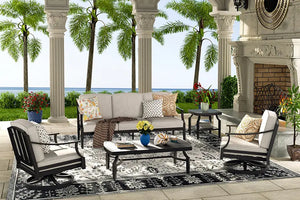
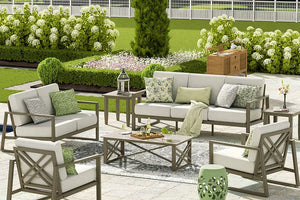
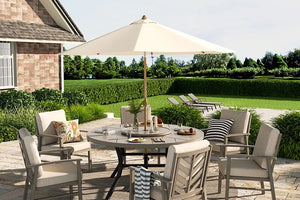
Because some styles use deeper seats, thicker cushions, wider armrests, and supportive back angles, they feel more comfortable . Deep-cushion outdoor sofas often pair a 22–24" seat depth with high-resilience foam. This design supports relaxed patio lounging without feeling too low. For example, the Sereno aluminum outdoor sofa from Peakhome Furnishings features cushions designed to resist UV exposure and moisture, providing long-term support suitable for extended patio lounging.

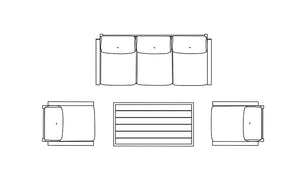
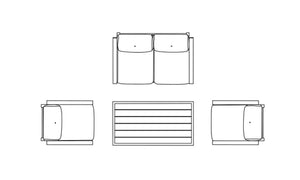
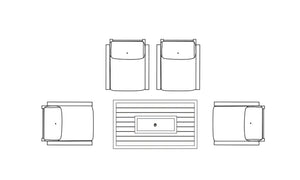
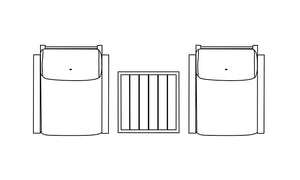
Peakhome Furnishings provides Sereno Aluminum Outdoor Sofa
Arm height and arm width also matter.
- Lower armrest height (20–23") feels casual and works well for lounging.
- Standard arm height (23–26") gives better elbow support for reading or dining.
- Wider arms (5–8") can hold drinks or small trays.
- Narrow arms (3–4") save space on small patios.
Match the sofa style to the outdoor setting:
|
Outdoor Space |
Recommended Seat Depth |
Style Focus |
|
Balcony |
20–22" |
Compact frame, upright back |
|
Backyard lounge |
22–24" |
Medium depth, balanced support |
|
Poolside |
22–26" + lower seat height |
Deep cushions, relaxed feel |
|
Large deck |
24"+ or sectional |
Deep lounge seating, wide arms |
A lower seat height (15–17") feels more relaxed. A slightly higher seat (17–19") makes it easier to stand up.
When the frame size, arm height, and cushion depth align with the space and intended use, the outdoor sofa provides steady support without taking up more room than needed.
What are Common Outdoor Sofa Fit Mistakes?
The most common outdoor sofa fit mistakes happen when buyers focus on style and ignore seat depth, seat height, and arm width. These errors affect comfort, posture, and patio space. This section explains where people go wrong and how to avoid poor fit.
Many people choose a sofa only by appearance. They skip key measurements like seat depth, armrest height, and overall width. A sofa may look balanced but feel awkward once someone sits down.
Buyers also ignore cushion compression. Soft cushions sink over time, which lowers the effective seat height and increases seat depth. This can strain knees and make standing up harder.
Seats deeper than 22–24 inches may make it difficult for shorter adults (under ~5'4") to rest their feet flat on the ground without additional lumbar support. This leads to slouching and poor back support.
Arms that are too wide waste space on small patios. Extra-wide arm width reduces usable seating and limits layout options. High or low arm height can also affect shoulder comfort and how easily someone leans or rests an elbow.
Some frames feel solid but lack ergonomic support. A stable frame does not guarantee proper seat height, armrest height, or cushion support.
FAQs
What seat depth is most comfortable for an outdoor sofa?
A seat depth of 55–65 cm (21.5–25.5 inches) is most comfortable for most adult users. Ensure consistency in unit usage throughout the guide. This range supports the thighs without forcing the user to lean back too far. It also allows relaxed seating without straining the lower back.
For taller users or deep lounge seating, depth can extend to 65–70 cm. When seat depth exceeds 65 cm, adding lumbar cushions improves back support and comfort.
Cushion compression also matters. Softer outdoor cushions can reduce the effective seat depth by 2–5 cm once someone sits down, so buyers should account for that when reviewing product dimensions.
What is the ideal outdoor sofa seat height?
An outdoor sofa seat height of 43–48 cm (17–19 inches) from the ground is ideal for most adults. This height allows feet to rest flat on the floor and keeps knees at a natural angle.
Lower seat heights may feel relaxed but can make standing up harder. Higher seat heights improve ease of entry and exit, especially for older adults.
Manufacturers measure seat height both with and without cushions. Buyers should confirm whether the listed height includes compressed cushion thickness, since softer foam lowers the seated height slightly.
Do thicker cushions make outdoor sofas more comfortable?
No, Cushion thickness alone does not guarantee comfort. Comfort depends on foam density, support, and seat depth; even thick cushions must align with seat depth and height to provide proper support.
Very thick cushions can raise the seat height too much or reduce back support if they compress unevenly. High-resilience foam with moderate thickness often provides better long-term support.
Well-designed outdoor seating balances cushion thickness, seat depth, and back height. When these elements align, the sofa feels supportive rather than overly soft or unstable.
Related Articles

How to Measure Covers for Sofa Sets: Sectionals...
Your outdoor sofa is more than just furniture—it's where morning coffee moments happen, where friends gather for evening conversations, and where you unwind after long days. Protecting this investment from...
How to Measure Covers for Sofa Sets: Sectionals...
Your outdoor sofa is more than just furniture—it's where morning coffee moments happen, where friends gather for evening conversations, and where you unwind after long days. Protecting this investment from...
Continue Reading
The Truth About Cheap Wicker: How to Identify U...
A homeowner spends several hundred dollars on a "wicker" outdoor furniture set. It looks great on arrival — the weave is tight, the color is rich, and the listing promised...
The Truth About Cheap Wicker: How to Identify U...
A homeowner spends several hundred dollars on a "wicker" outdoor furniture set. It looks great on arrival — the weave is tight, the color is rich, and the listing promised...
Continue Reading
How to Create a Backyard Meditation Space with ...
A backyard meditation space is a dedicated outdoor area designed for stillness, breathwork, and mindful relaxation. The right outdoor furniture turns any patio, garden corner, or balcony into a calming...
How to Create a Backyard Meditation Space with ...
A backyard meditation space is a dedicated outdoor area designed for stillness, breathwork, and mindful relaxation. The right outdoor furniture turns any patio, garden corner, or balcony into a calming...
Continue Reading