






Rust-Proof vs Corrosion-Resistant: What You Need Outdoors

Rust-proof and corrosion-resistant do not mean the same thing, and choosing the wrong one can lead to early metal corrosion outdoors. Rust-proof metals, such as aluminum, do not contain iron and therefore cannot rust, while corrosion-resistant metals, such as stainless steel or galvanized steel, slow down rust and corrosion but can still degrade over time. That difference matters when outdoor furniture faces rain, humidity, temperature changes, and air pollutants year-round.
Material type, exposure level, and protective finish drive long-term durability. An all-aluminum dining set resists rust because aluminum forms a stable oxide layer that protects the surface. Stainless steel resists corrosion because chromium in the alloy forms a thin barrier layer, but coastal salt or damaged finishes can still cause staining. Understanding these differences helps them choose the right metal for outdoor hardware, furniture, and structural parts.
What is Rust-Proof?
Rust-proof means a material does not contain iron and therefore cannot rust. Rust forms when iron reacts with oxygen and water, so materials without iron avoid this specific type of corrosion. This section explains how rust-proof materials work, how they differ from corrosion-resistant metals, and where they perform best outdoors.
Rust-proof materials include:
- Aluminum
- Resin and plastic
- Certain composite materials
- Copper and brass (While they do not form iron-based rust, they can still oxidize or develop patina over time)
Aluminum, for example, contains little to no iron. When exposed to air, it forms a thin oxide layer that adds corrosion resistance and protects the surface.
Typical characteristics of rust-proof materials:
- Low maintenance
- No rust stains or flaking
- Good durability in rain and humidity
- Lighter weight in many cases
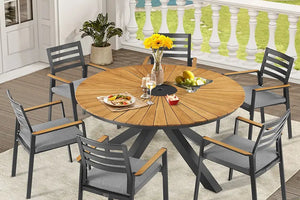
These traits make them common in outdoor furniture, railings, and fixtures. An all-aluminum dining set can stay outside year-round with basic cleaning.
Advantages:
- No rust formation
- Less need for coatings or touch-ups
- Often lightweight and easy to move
Disadvantages:
- Some materials may dent or fade
- Not all are as strong as steel
- Surface oxidation can still occur
Rust-proof does not always mean immune to all corrosion. Corrosion-resistant metals, such as stainless steel or galvanized steel, resist damage but may still contain iron. Understanding this difference helps buyers choose the right material for long-term outdoor use.
What is Corrosion-Resistant?
Corrosion-resistant describes a material that slows down corrosion but can still wear down over time. It does not mean rust-proof. Instead, it means the material has built-in corrosion resistance that helps it handle moisture, air, salt, or chemicals better than untreated metal.
Engineers define corrosion-resistant metals as alloys or coated metals that form a protective barrier. This barrier blocks water and oxygen, which cause rust and oxidation. In this section, readers will learn how these materials work, their key features, and where they perform best outdoors.
Key features of corrosion-resistant materials:
- Protective surface layer (such as zinc or oxide film)
- Slower rust formation
- Better performance in wet or humid climates
- Lower maintenance than bare carbon steel

Common types used outdoors include:
|
Material |
How It Resists Corrosion |
Common Uses |
|
Stainless steel |
Forms a chromium oxide layer |
Railings, fasteners |
|
Galvanized metal |
Zinc coating protects base steel |
Fences, roofing |
|
Powder-coated steel |
Sealed outer coating blocks moisture |
Patio furniture |
Advantages:
- Longer service life outdoors
- Reduced rust and structural damage
- Less frequent repairs
Disadvantages:
- Higher upfront cost
- Coatings can chip or wear
- Not fully rust-proof in harsh conditions like saltwater
Corrosion-resistant metals improve durability, but they still require proper care and material selection.
What are the Key Differences Between Rust-Proof and Corrosion-Resistant?
The key difference is simple: rust-proof materials do not rust under normal outdoor conditions, while corrosion-resistant materials only slow down corrosion. This section explains how they differ in material composition, outdoor lifespan, maintenance, and cost so readers can choose the right option.
Material composition drives performance:
- Rust-proof fasteners are made from metals that do not contain iron, such as aluminum or silicon bronze, which will not rust under normal outdoor conditions.
- Corrosion-resistant fasteners, like 304 or 316 stainless steel, develop a protective surface layer that slows oxidation but can still corrode in extreme environments.
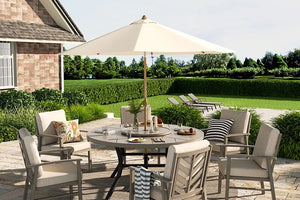
Outdoor longevity also differs. Rust-proof furniture can withstand long-term exposure to rain, humidity, and temperature fluctuations with minimal wear, making it ideal for year-round use in patios, gazebos, or coastal areas. Corrosion-resistant furniture can last for years under moderate conditions, but in high-exposure environments, its lifespan may be shorter if coatings degrade over time.
Maintenance needs remain lower with rust-proof materials. Rust-proof materials are largely maintenance-free, requiring only occasional cleaning. In contrast, corrosion-resistant metals need periodic inspections, touch-up paint, or sealants to prevent surface damage from turning into rust, which can add time and cost over the years.
Cost considerations matter. While rust-proof furniture—like all-aluminum dining sets—may have a higher upfront cost, it often proves more cost-effective long-term due to low maintenance and longer lifespan. Corrosion-resistant furniture is typically less expensive initially, but potential repair or replacement costs can make it more costly over time.
Another important factor is how each material performs outdoors under different conditions. Rust-proof furniture excels in extreme outdoor conditions, including heavy rain, coastal salt air, and intense sunlight. Corrosion-resistant furniture is better suited for covered patios or areas with moderate exposure; it may require extra protection in harsh environments.
It’s also important to consider how materials maintain their look over time. Both material types can be coated or finished for color and style, but rust-proof options tend to maintain their appearance longer under harsh weather. Corrosion-resistant coatings can fade, chip, or show wear more quickly, potentially impacting the furniture’s look over time.
How to Choose Between Rust-Proof and Corrosion-Resistant?
Choose rust-proof materials for harsh or constant exposure, and choose corrosion-resistant options for mild to moderate outdoor use. The right choice depends on weather, use, and how much maintenance they accept.
Start with exposure level.
For coastal salt air, heavy rain, or high humidity, rust-proof materials such as 316 stainless steel, aluminum, or silicon bronze offer stronger corrosion resistance. These corrosion-resistant metals do not rely on a thin coating that can wear away.
For covered patios or seasonal use, corrosion-resistant finishes often work well. Hot-dipped galvanized steel or powder-coated steel can handle normal rain, but they may need inspection and touch-ups over time.
Next, match the material to how the item is used.
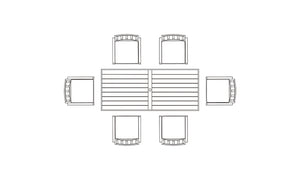
For spaces exposed to heavy rain or high humidity, choosing rust-proof materials is key. Our all-aluminum dining sets provide a durable, low-maintenance option.

Asheville 7 Pieces Patio Rectangular Dining Table Set
Maintenance also matters:
-
Rust-proof: low upkeep, long-term durability
-
Corrosion-resistant: lower upfront cost, but may need recoating or replacement
Many manufacturers now use powder-coated aluminum. The aluminum base resists rust, and the coating adds another protective layer.
Industry guides on corrosion resistance show that moisture, salt, and wood chemicals speed up metal breakdown. By checking exposure, usage, and upkeep needs first, they can select materials that fit the environment instead of guessing.
When to Choose Rust-Proof?
Choose rust-proof materials when metal will face constant moisture, wet climates, or long-term outdoor use with little maintenance.
In these settings, basic corrosion resistance is not enough. The metal itself must resist rust, not just rely on a surface coating.
Engineers and material specialists often select corrosion-resistant metals like stainless steel, silicon bronze, or aluminum for projects near the ocean, in rainy regions, or around pools. These metals form protective oxide layers that slow oxidation and reduce rust over time.
Use rust-proof metals when:
- The part stays outdoors year-round
- The climate is humid, coastal, or snowy
- Maintenance access is limited
- Failure would create safety risks
For example, builders often choose 316 stainless steel fasteners for coastal decks. The higher chromium and added molybdenum improve corrosion resistance in salty air.
A simple rule:
If the metal will stay wet for long periods, upgrade to rust-proof.
The table below shows common scenarios:
|
Situation |
Better Choice |
|
Coastal railings |
Stainless steel (304 or 316) |
|
Pool hardware |
Stainless steel or bronze |
|
Outdoor furniture in rainy climate |
Aluminum or stainless steel |
|
Remote structures with low upkeep |
Rust-proof metals |
Rust-proof options cost more upfront. However, they reduce repainting, replacement, and structural damage over time.
When exposure is constant and maintenance is minimal, rust-proof materials provide more reliable long-term performance than basic corrosion-resistant coatings.
When to Choose Corrosion-Resistant?
Choose corrosion-resistant materials when the item faces outdoor exposure but not constant salt spray, standing water, or harsh chemicals. In these cases, strong corrosion resistance offers enough protection without the higher cost of fully rust-proof systems.
Corrosion-resistant metals work well for occasional outdoor use, moderate rain, and normal humidity. They resist oxidation and slow down rust, but they do not claim to stop it in every condition. This section explains where they fit best, how they manage moisture, and how to match them to budget limits.
Common choices include:
- Stainless steel (304) for patio hardware and railings
- Aluminum for outdoor furniture and light frames
- Galvanized steel for fences and brackets
These metals form a thin protective layer that reduces rust and surface damage.
Use this simple rule of thumb:
|
Outdoor Condition |
Recommended Choice |
|
Dry or mild climate |
Aluminum or 304 stainless steel |
|
Rain, no salt exposure |
Galvanized steel or stainless steel |
|
Tight budget projects |
Galvanized steel |
Industry groups such as NACE note that environment drives material choice. A deck screw in a suburban yard does not need the same corrosion resistance as a marine dock bolt.
Corrosion-resistant metals balance durability and cost. They suit projects where weather exposure is real but not extreme, and where budget matters.
FAQs
Does stainless steel rust outdoors?
Yes, stainless steel can rust outdoors.
Stainless steel resists rust because it contains chromium, which forms a thin oxide layer that blocks moisture and oxygen. Grades like 304 and 316 offer strong corrosion resistance, but they can still stain or pit in coastal or high-salt environments.
Grade 316 performs better near the ocean because it contains molybdenum, which improves resistance to chloride exposure. Lower grades or poorly maintained surfaces may show surface rust if dirt, salt, or standing water remains on the metal.
Is aluminum better than steel for outdoor furniture?
Yes, aluminum is often better than carbon steel for outdoor furniture.
Aluminum does not contain iron, so it does not form red rust. It creates a natural oxide layer that protects the surface from further corrosion, even in damp air.
Steel outdoor furniture needs protective coatings such as paint, galvanization, or powder coating to prevent rust. Aluminum is lighter and easier to move, but it is also softer and may dent more easily than steel.
Do powder-coated finishes prevent rust?
Yes, powder-coated finishes help prevent rust, but they do not make metal rust-proof.
Powder coating creates a sealed barrier over steel that blocks water and oxygen. When the coating stays intact, it greatly slows corrosion and extends service life outdoors.
If the coating chips or cracks, exposed steel can rust under the damaged area. Regular inspection and quick touch-ups help maintain corrosion resistance.
Related Articles

What Is a Quick-Dry Foam/Seat Board? Best for R...
A homeowner invests in a gorgeous outdoor sofa set, arranges it beside the pool, and then one thunderstorm turns the cushions into soggy sponges that take two days to dry...
What Is a Quick-Dry Foam/Seat Board? Best for R...
A homeowner invests in a gorgeous outdoor sofa set, arranges it beside the pool, and then one thunderstorm turns the cushions into soggy sponges that take two days to dry...
Continue Reading
Sunbrella vs Olefin: Choosing the Best Outdoor ...
Introduction The fabric you choose for your outdoor cushions directly determines how long your patio furniture will look beautiful and remain comfortable. Outdoor furniture faces constant challenges from sun exposure,...
Sunbrella vs Olefin: Choosing the Best Outdoor ...
Introduction The fabric you choose for your outdoor cushions directly determines how long your patio furniture will look beautiful and remain comfortable. Outdoor furniture faces constant challenges from sun exposure,...
Continue Reading
How to Choose Furniture Covers: Waterproof vs B...
Introduction Protecting your outdoor furniture investment requires more than simply throwing a cover over it and hoping for the best. The key to effective furniture protection lies in understanding the...
How to Choose Furniture Covers: Waterproof vs B...
Introduction Protecting your outdoor furniture investment requires more than simply throwing a cover over it and hoping for the best. The key to effective furniture protection lies in understanding the...
Continue Reading