






Do You Need a Lazy Susan Outdoor Table? Practical Pros & Cleaning Tips

A Lazy Susan outdoor table makes it easier for multiple people to share food and keeps dishes within reach, but it is not necessary for every patio setup. If a patio table measures 36 inches or more in diameter or seats four or more people, a rotating tray can enhance convenience and table flow, depending on layout and guest count. On smaller bistro tables, it often adds little value.
A Lazy Susan outdoor table uses a center-mounted turntable with ball bearings that allow 360-degree rotation. Many models use cast aluminum with a powder-coated finish or acacia wood with sealed surfaces, which resists rust and weathering under normal outdoor conditions.
This guide explains how different sizes, materials, and umbrella hole options affect performance. It also outlines how to match a rotating tray to round, square, or rectangular outdoor tables and how to clean and maintain the surface using damp cloths, mild soap, or vinegar solutions for stains.
What Is a Lazy Susan Outdoor Table and Why It Helps?
A lazy susan outdoor table is a patio table with a rotating tray set into the center. The tray sits on ball bearings, so it spins 360 degrees with a light push. Because the turntable rotates, guests can pull dishes, drinks, or condiments toward them instead of reaching across the table.
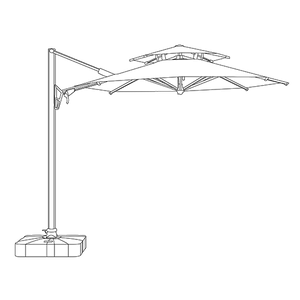
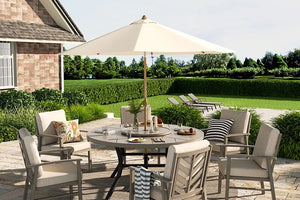
Some patio furniture designs include an umbrella hole through the lazy susan. This allows the tray to rotate around the umbrella pole. For the user, this means they can keep shade in the center of the outdoor living area while still sharing food easily.
A lazy susan works well in many outdoor living setups:
- Family dinners on a backyard patio
- Poolside snacks and drinks
- Barbecue spreads with sauces and sides
- Garden parties with shared plates
Compared to a standard table, the rotating surface improves access. It reduces stretching over hot dishes and lowers the risk of spills. It also speeds up serving because each person controls the tray’s movement, which keeps the table organized and supports smooth group dining.
What are the Types of Lazy Susan Outdoor Tables?
Several Lazy Susan outdoor table types exist, including round trays, tiered models, removable units, built-in centers, rotating inserts, square or rectangular, pie cut and d-shaped or half moon. Each type changes how people share food and use table space.
Round tray Lazy Susans are circular platforms on a ball‑bearing swivel, common for family-style patio meals.
Tiered Lazy Susans add stacked levels, usually wood or metal with a central rod. The vertical design saves table width, making them handy for snacks or condiments on smaller tables.
Removable Lazy Susans sit loosely on the tabletop with a rubber base or low-profile bearing. They lift off for cleaning or indoor storage, ideal for flexible outdoor setups.
Built-in Lazy Susans are recessed into the table center, reducing wobble during rotation. They fit large tables used for frequent gatherings.
Rotating center inserts are add-ons for existing tables, creating a rotating surface without replacing furniture.
Square or rectangular lazy susans are designed for non-round tables; help diners reach food evenly along long tables.
Pie cut lazy susans are triangular or wedge-shaped sections that rotate around the center, often used for corner or segmented tables.
D-Shaped or half moon lazy susans are semi-circular designs for placement against walls or edges, allowing rotation without blocking traffic.

What are the Materials Used in Lazy Susan Outdoor Table?
Material choice determines how a Lazy Susan outdoor table handles rain, sun, weight, and daily use. The right material improves durability, weather resistance, maintenance needs, and turntable stability. Below are the most common options used in outdoor dining tables with a built-in Lazy Susan.
-
Teak (Grade-A Teak hardwood)
Teak contains natural oils and tight grain (Attribute), which resist moisture and insects (Benefit). Resists moisture and insects under normal outdoor conditions, but periodic sealing helps maintain color and durability. It needs periodic oiling to keep its color and costs more than most woods.
-
Powder-Coated Aluminum
Aluminum does not rust (Attribute), and a powder-coated finish seals the surface (Design), which reduces corrosion (Benefit). For the user, this means low maintenance and easy cleaning. It is lightweight, so larger tables may need a wider base for stability.
-
Stainless Steel (304 or 316 grade)
316 stainless steel includes molybdenum (Attribute), which improves corrosion resistance in coastal areas (Benefit). It supports heavy stone or ceramic tops but can heat up in direct sun.
-
Resin or HDPE Plastic
High-density polyethylene resists moisture and UV exposure (Attribute). In other words, it will not crack or peel like painted wood. It may scratch over time and feels lighter than metal or stone.
-
Composite Wood (WPC)
Wood-plastic composite blends recycled wood fibers and plastic (Design), which reduces water absorption (Benefit). It costs less than teak but may fade after years of sun exposure.
-
Ceramic, Tempered Glass, Marble, or Granite Tops
Tempered glass shatters into small pieces if broken (Safety Feature). Stone adds weight, which can aid rotation stability if the table frame is strong enough. Ceramic resists stains and heat, making cleanup easier after meals.
When selecting materials, they should match the local climate, table size, and how often the family uses the outdoor dining set.
What are the Standard Outdoor Table Sizes for Lazy Susans?
Standard outdoor dining table height ranges from 28 to 30 inches. This height aligns with typical patio chairs, which have seat heights around 17–19 inches. Because the surface sits at this level, most adults can reach 18–24 inches comfortably without standing.
Common round outdoor dining table diameters:
|
Table Diameter |
Seats |
Suggested Lazy Susan |
|
36 inches |
4 |
16–18 inches |
|
48 inches |
6 |
18–24 inches |
|
60 inches |
8 |
24–30 inches |
|
72 inches |
8–10 |
30–36 inches |
How to Choose a Lazy Susan Outdoor Table?
Choose a Lazy Susan outdoor table based on material, size, seating type, and use case. The right mix improves access to food and keeps the patio organized.
1. Pick the Right Material
The tabletop and turntable should match outdoor exposure.
- Teak (Grade-A Teak) – It contains natural oils that resist moisture. In practice, this means it can sit in rain without cracking if cleaned and sealed yearly.
- Powder-coated aluminum – The baked-on coating seals the metal. For the user, this means less rust and lower weight for easy moving.
- Tempered glass (5–8 mm thick) – Heat-treated glass resists impact. It works well with coasters and trivets to prevent scratches and heat marks.

Shop the look: Azur Patio Aluminum Round 60" Dining Table with Removable Lazy Susan for 6 Person
Add furniture covers when not in use to reduce sun fade, especially if the table includes outdoor cushions nearby.
2. Choose by Seating Type
-
Bench seating
Best for: casual, family-style meals
Pros: seats many people
Cons: long benches can block rotation
Example: 48" round table + 2 benches
-
Chairs or sectionals
Best for: patios and conversation sets
Pros: flexible layout
Cons: may need a 60" table for reach
Example: 60" round + 6 swivel chairs
3. Match the Use Case
- Casual snacks → 18–24" Lazy Susan, lightweight
- Formal meals → 24–32" turntable with steel bearing ring
- Poolside → aluminum or poly lumber
- Kids → low height, easy-clean surface
Measure table diameter and confirm the Lazy Susan leaves at least 6–8 inches of edge space for plates and drinks.
How to Plan Lazy Susan Outdoor Table by Outdoor Space Type?
Plan the Lazy Susan outdoor table around the size, layout, and weather exposure of the space. The right diameter, base design, and material will affect how safely and smoothly it rotates.
Balcony:
Choose a small diameter (16–20 inches) for compact bistro tables with foldable chairs. A tempered glass or aluminum tray works well because both resist moisture and wipe clean with mild soap. In practice, this means less weight on a narrow table and easier storage under furniture covers during rain.
Backyard lounge:
Select a medium to large turntable (20–24 inches) made from powder-coated aluminum or teak. Powder coating seals the metal, which reduces rust because it blocks water contact. For the user, this means steady rotation during group meals on cushioned sectional seating with outdoor cushions.
Poolside:
Use a smaller, lightweight model made from UV-stabilized plastic or marine-grade stainless steel. UV stabilizers slow color fading because they limit sun damage. Add coasters to prevent water rings and silicone trivets to shield the surface from heat.
Deck entertaining:
Pick a large diameter (24–30 inches) with a weighted or built-in base. A built-in design lowers the center of gravity, which improves stability on wood decking. Keep it covered with fitted furniture covers when not in use to reduce moisture exposure and surface wear.
How to Clean and Maintain a Lazy Susan Outdoor Table?
Clean a Lazy Susan outdoor table with regular washing, the right cleaning solution for its material, and seasonal deep care. This approach protects the rotating hardware, the tabletop finish, and any outdoor cushions placed around it.
Routine Cleaning Steps
Start by clearing the table surface and removing crumbs from the Lazy Susan ring. Food debris often collects around the swivel plate, and it can block smooth rotation if left in place.
Wipe the tabletop and the rotating tray with warm water and a few drops of dish soap. Use a soft sponge or microfiber cloth. This method works for most outdoor furniture finishes because mild soap breaks down grease without stripping paint or sealant.
Rinse with a garden hose on a light spray setting. Avoid a pressure washer. High pressure can force water into joints and bearings, which may lead to rust in steel hardware or swelling in wood.
Dry the surface with a clean cloth. Let the table air dry before placing outdoor cushions or table decor back on top. Moisture trapped under cushions can stain surfaces and create mildew.
Clean the table every two to four weeks during heavy use. Increase frequency during pollen season or after storms.

Deep Cleaning Methods for Different Materials
Deep cleaning focuses on stains, hardware, and surface protection. It is important to match the cleaning solution to the table’s material, as using the wrong product can damage the finish or accelerate corrosion.
For cast aluminum, soften bird droppings or tree sap with a warm soapy cloth, wipe the surface dry, and then apply a thin layer of carnauba wax. This wax forms a water-shedding layer, allowing rain and dirt to slide off more easily and reducing the effort required for future cleaning.
For wrought iron or steel tables, remove loose rust with a wire brush, apply a rust-inhibiting primer, and finish with two coats of exterior enamel paint to create a protective, water-resistant layer.
For stainless steel tables, sprinkle baking soda on stains, spray with a vinegar solution, and wipe gently along the grain to prevent scratches. Avoid using abrasive pads, which can leave visible marks.
For plastic, resin, or rattan tables, use a diluted bleach solution for tougher stains and rinse thoroughly afterward. For rattan surfaces, vacuum the crevices first to remove trapped dust, preventing dirt from grinding into the material during cleaning.
For wooden tables, gently wipe away stains with a wood-safe cleaner and periodically apply protective oil depending on the wood type to maintain the surface. Avoid soaking the wood.
To ensure the Lazy Susan rotates smoothly, spray the turntable once or twice a year with a light silicone lubricant. This reduces friction, makes rotation easier, and extends the lifespan of the screws and mechanism. Always test any new cleaning product on the underside of the table first to ensure it does not damage or discolor the finish.
FAQs
Do I need a Lazy Susan if my table is rectangular?
No, most rectangular tables do not require a Lazy Susan.
A rectangular patio table usually places diners closer to shared dishes because the width is narrower than a round table of the same seating capacity. In practice, this means guests can often reach items without a rotating tray.
However, a Lazy Susan can help on large rectangle tables that seat six to eight people and measure over 72 inches long. On that size, dishes placed in t he center can sit more than 24 inches from some seats. Adding a 16–24 inch diameter turntable reduces reaching across plates and glasses, which lowers the risk of spills.
Can I install a Lazy Susan on any table?
No, not every table supports a Lazy Susan.
Surface-mounted Lazy Susans attach with screws or bolts into a solid tabletop. Weight limits depend on both the turntable and the tabletop thickness; thin glass, hollow plastic, or unsupported stone may crack or fail.
Will wind affect the turntable?
Yes, wind can affect a Lazy Susan outdoor table.
A rotating tray moves on a ball-bearing ring, which reduces friction. Because the bearing allows free movement, strong wind can spin a lightweight tray if it has a large surface area. For the user, this means napkins, paper plates, or empty platters may shift or fall during gusts.
Heavier materials such as teak wood or powder-coated steel add mass, which resists unintended spinning. In exposed patios, users often remove the turntable when not in use or store it under a fitted furniture cover to limit weather wear and movement.
Related Articles

Collection Spotlight: Why Marindo Fits Low-Main...
Picture this: a Saturday evening, friends gathered around the patio, drinks in hand, the sun dipping behind the treeline. Nobody is thinking about whether the furniture can handle a spilled...
Collection Spotlight: Why Marindo Fits Low-Main...
Picture this: a Saturday evening, friends gathered around the patio, drinks in hand, the sun dipping behind the treeline. Nobody is thinking about whether the furniture can handle a spilled...
Continue Reading
Collection Spotlight: Who Is the Chamber Collec...
Not every outdoor furniture collection is meant for every backyard. The Chamber Collection — Peakhome's bestselling line — earns that status not by appealing to everyone, but by solving a...
Collection Spotlight: Who Is the Chamber Collec...
Not every outdoor furniture collection is meant for every backyard. The Chamber Collection — Peakhome's bestselling line — earns that status not by appealing to everyone, but by solving a...
Continue Reading
Make Outdoor Cushions Last Longer: Removable Co...
Outdoor cushions take the hardest beating of any patio furniture component. While aluminum frames and HDPE rattan resist years of weather exposure, the cushions sitting on top of them face...
Make Outdoor Cushions Last Longer: Removable Co...
Outdoor cushions take the hardest beating of any patio furniture component. While aluminum frames and HDPE rattan resist years of weather exposure, the cushions sitting on top of them face...
Continue Reading