








Poolside Mold Prevention: Cushion Drying & Ventilation Guide

Poolside mold prevention starts with two rules: keep cushions dry and keep air moving. You prevent poolside mold by drying cushions for 30–60 minutes after use, letting them fully air-dry after rain before storage, and improving ventilation so trapped moisture cannot linger inside foam and seams. This cushion drying and ventilation routine stops mold before it starts.
Poolside areas face constant moisture exposure from splash water, rain, and high humidity. Cushions absorb that moisture into foam cores and stitched seams, and limited airflow around poolside furniture slows evaporation. When damp foam stays closed off from air, mold spores may begin growing within 24–48 hours under damp, warm conditions (according to EPA guidance).
This article explains why drying matters, how airflow reduces risk, and which cushion materials and foam density resist mold better because they shed water instead of holding it. They will also learn practical habits that reduce moisture buildup. The guide covers material choices like solution-dyed acrylic fabrics and quick-drain foam, common maintenance mistakes, and long-term care steps that support mold prevention in humid outdoor settings.
Why Poolside Cushions Develop Mold and Why Drying Matters?
Because poolside cushions often stay damp in warm air, they develop mold . Mold is a type of fungus that grows in moist places and spreads through tiny mold spores in the air. Mildew is also a fungus, but it usually appears as a flat white or gray patch, while mold often looks darker and thicker.
Both mold and mildew feed on organic particles like pollen, body oils, and dirt. When moisture + warmth + organic particles combine, mold growth starts. In practice, this means a damp cushion with trapped debris becomes a food source for mold and bacteria.
Pool areas create these conditions every day:
- Splash water soaks fabric
- Wet swimsuits press moisture into foam
- Humid air slows drying
Factors that cause mold:
- If cushions stay wet overnight, mold spores settle and begin to grow.
- If airflow is blocked by stacked cushions, moisture cannot escape.
- If cushions are stored while damp, mold growth can spread inside the foam core.
Over time, this leads to a musty odor and visible stains. Mold exposure can also affect indoor air quality if cushions move inside, because spores travel through the air.
Quick inspection checklist:
- Check for damp fabric seams
- Smell for musty odors
- Look for dark, green, or gray spots
- Press cushions to see if moisture rises
Drying matters because mold needs moisture to survive. When cushions dry fully in moving air and sunlight, spores lose the damp surface they need to grow. For users, this means fewer stains, better air quality, and longer cushion life.
What Cushion Materials That Resist Mold Better?
The best cushion materials that resist mold use mold-resistant materials that dry fast and limit moisture retention. They do not stop mold spores completely, but they reduce the damp conditions that spores need to grow.
Solution-dyed acrylic fabric, such as some high-quality outdoor fabrics, perform well outdoors. Manufacturers add color during fiber production, so the fabric resists fading and handles UV exposure. Because the fibers repel water and dry quickly, they reduce moisture buildup. In practice, this means less time sitting damp after pool use, which lowers the risk of mold growth.
Olefin and polyester also resist mildew. Olefin fibers absorb very little water, so they dry faster than many natural fabrics. Polyester costs less but may trap more heat and moisture if airflow is limited.
Foam choice matters as much as fabric:
- Reticulated foam (open-cell foam) allows water to pass through its large pores. Because water drains instead of staying trapped, internal moisture drops faster.
- Quick-dry foam uses wide cell structure to speed evaporation.
- High-density outdoor foam holds shape well, but it must pair with breathable covers to avoid trapped moisture.

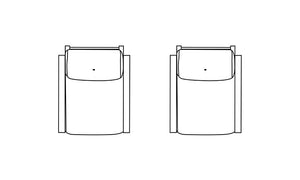
Shop the look: Outdoor Chaie Lounges with Wheels and Quick Dry Foam Set of 2
Some cushions include breathable mesh liners to improve airflow inside the foam, which can help reduce moisture buildup.
For those who wish, using a hygrometer to track humidity below 60% can help further reduce mold risk.
How to Improve Airflow Around Poolside Furniture?
To improve airflow around poolside furniture, they must create open space, reduce trapped moisture, and control relative humidity. Moving air dries cushion foam faster, which helps prevent mold growth.
Start with cushion positioning.
After rain or pool use, stand cushions upright on their sides instead of stacking them. This exposes both fabric surfaces to air, so moisture evaporates from the foam core rather than staying trapped inside.
Keep cushions spaced at least a few inches apart while drying. When air flows between them, it removes surface moisture and lowers damp spots that support mold.
Furniture layout also affects ventilation.
Avoid pushing sofas and chairs tight against walls or glass doors. Leave a gap of 2–4 inches behind large pieces so air can circulate. In practice, this reduces damp zones where mildew often forms.
For covered patios or indoor pool rooms, mechanical airflow helps.
Install exhaust fans to pull humid air out. When sized correctly for the room’s square footage, they reduce relative humidity and create slight negative air pressure, which draws moist air outside instead of letting it linger.
During storage, use ventilated deck boxes or breathable covers instead of plastic tarps. Air movement inside storage areas prevents trapped moisture and supports mold control.
What are Poolside Habits That Reduce Moisture Buildup?
Poolside habits that focus on moisture control help prevent mold before it starts. Mold grows when water stays trapped in foam, seams, and fabric. When staff and guests remove water quickly and improve airflow, they reduce the need for mold remediation or mold removal later.
The table below shows practical actions by use case.
|
Use Case |
1–2 Practical Actions |
Why It Works |
|
After swimming |
Dry off with a towel before sitting. Stand cushions on edge for 20–30 minutes after heavy use. |
Towels limit water transfer into foam. Standing cushions increases airflow, which speeds cushion drying and helps prevent mold. |
|
Kids / family use |
Create a quick daily drying routine. Unzip covers weekly to check for damp foam. |
Regular checks catch trapped moisture early. Early drying avoids deep mold remediation. |
|
Entertaining guests |
Keep spare dry cushions stored indoors. Swap out damp ones right away. |
Rotation keeps seating usable while wet cushions dry fully. |
|
Rainy climates |
Use breathable furniture covers, not plastic tarps. Remove covers once rain stops. |
Breathable covers allow vapor to escape. In practice, this reduces condensation that feeds mold growth. |
Consistent habits, proper drying, and airflow form the first line of defense against poolside mold.
How to Maintain Cushion for Long-Term Mold Prevention?
Long-term mold prevention depends on steady moisture control and airflow. Mold grows when fabric and foam stay damp, so cushions must dry fast after pool use or rain.
After each swim, they should shake off surface water and stand cushions upright for 30–60 minutes of airflow drying. Air moves through seams and foam cores. In practice, this reduces trapped moisture that leads to mold removal or full mold remediation later.
After rain, it’s recommended to separate cushions and lean them vertically. Avoid stacking them while wet when possible. For the user, this means fewer damp spots along seams and corners, where mold often starts.
A weekly routine helps prevent mold before it spreads:
- Flip cushions to balance sun and airflow
- Check seams and zippers for dark spots
- Wipe metal or resin frames to remove pooled water
Monthly care should include light cleaning with mild soap and water. This step removes dirt and pollen, which feed mold spores. Inspect foam inserts and stitching during cleaning.
For seasonal care, wash covers, dry them fully, and store cushions in a ventilated storage space. Never store damp cushions in sealed plastic bins.
When buying replacements, choose mold-resistant materials such as solution-dyed acrylic fabric or quick-dry foam. Quick-dry foam uses an open-cell structure that drains water instead of holding it. For the user, this means shorter drying time and lower risk of mold growth over the season.
Different spaces may require adjustments:
|
Space Type |
Key Focus |
|
Balcony with pool access |
Compact seating + quick drying routine |
|
Backyard pool lounge |
Deep cushions + airflow spacing |
|
Resort-style deck |
Quick-dry foam + sun exposure |
|
Covered patio near pool |
Extra airflow + cushion rotation |
What are Common Poolside Cushion Care Mistakes to Avoid?

Many poolside mold problems start with basic cushion care mistakes that trap moisture and block airflow. Poor moisture control allows mold to grow inside foam cores, where mold removal becomes harder and often requires full mold remediation.
One common mistake is covering cushions while they are still wet. When someone seals damp cushions under a tight furniture cover, water cannot evaporate. Because the cover blocks airflow, moisture stays inside the foam, and mold-resistant materials lose their protection over time. For the user, this means odors and stains may appear even if the surface looks dry.
Another issue is stacking cushions after rain or leaving them flat on a shaded, wet deck. Stacking reduces air circulation between layers. Water stays trapped at seams and zippers, which are common entry points for rain. In practice, this slows drying and increases the risk of hidden mold growth.
Using non-breathable plastic covers or airtight storage bins also creates problems. Plastic traps humidity inside. Without ventilation, condensation forms and feeds mildew.
Ignoring seam moisture is another frequent error. Rain often seeps through stitching and piping before it reaches the foam. Regularly standing cushions upright and checking seams helps prevent mold before mold remediation becomes necessary.
Avoiding these mistakes supports effective mold prevention and protects the structure of outdoor cushions exposed to poolside humidity and chlorine.
FAQs
How often should outdoor cushions be cleaned?
Outdoor cushions should be cleaned every 4 to 6 weeks during active use. This schedule removes dirt, pollen, and bird droppings that trap moisture and feed mold spores.
Mold can begin forming within 24 to 48 hours on damp fabric. Regular washing with mild soap and water breaks that cycle because it removes organic debris that mold uses as food. For the user, this means fewer stains and less risk of musty odor during humid weather.
After heavy rain or pool splash, they should rinse and dry cushions the same day. Fast action limits moisture absorption and shortens drying time.
Can outdoor cushions stay outside overnight?
Yes, outdoor cushions can stay outside overnight if they remain completely dry and are protected from dew or rain. If humidity rises above 60 percent or rain is forecast, they should move cushions indoors or use breathable waterproof covers.
Night air often carries dew. Dew settles on fabric and creates surface moisture, which allows mold spores to attach and grow. In practice, this means even clear skies can leave cushions damp by morning.
Cushions made with solution-dyed acrylic fabric and quick-dry foam resist moisture better because the fibers repel water and the foam drains quickly. This design reduces internal dampness, which lowers mold risk. Even so, long wet periods require indoor storage.
Is there a way to clean outdoor cushions that don't have a zip enclosure?
Yes, non-removable outdoor cushions can be cleaned directly on the surface. They should scrub the fabric using a soft brush and a mix of one cup white vinegar to one quart water.
Vinegar works because its mild acidity can help reduce mold spores on contact; always test a small area first to ensure colorfastness. After scrubbing, they must rinse thoroughly and stand the cushion upright to dry so air can circulate on both sides. For the user, this means no trapped moisture inside the foam.
Avoid soaking solid foam cushions with a hose, as oversaturation can push water deep into the core and slow drying. Using fans or placing cushions in direct sunlight speeds evaporation and reduces mold risk.
Related Articles

Outdoor Dining Chair Comfort Guide: Angles, Arm...
Comfort in outdoor dining chairs comes down to seat angle, arm height, and seat width. The most comfortable outdoor dining chairs usually have a slight backrest angle of about 10–15...
Outdoor Dining Chair Comfort Guide: Angles, Arm...
Comfort in outdoor dining chairs comes down to seat angle, arm height, and seat width. The most comfortable outdoor dining chairs usually have a slight backrest angle of about 10–15...
Continue Reading
Do You Need a Storage Side Table? Best Patio Sc...
A storage side table solves two common patio problems: clutter and lack of surface space. You need a storage side table when your patio lacks built-in storage and everyday items...
Do You Need a Storage Side Table? Best Patio Sc...
A storage side table solves two common patio problems: clutter and lack of surface space. You need a storage side table when your patio lacks built-in storage and everyday items...
Continue Reading
Conversation Set Buying Guide: 3-Piece vs. 5-Pi...
A conversation set buying guide helps you pick between a 3-piece, 5-piece, or built-in side table setup. The main factors? Patio size, how many people you want to seat, and...
Conversation Set Buying Guide: 3-Piece vs. 5-Pi...
A conversation set buying guide helps you pick between a 3-piece, 5-piece, or built-in side table setup. The main factors? Patio size, how many people you want to seat, and...
Continue Reading