







Outdoor Bar Stool Guide: Seat Height, Footrest, Swivel & Weight Capacity Explained

Outdoor bar stools work best when seat height matches the counter, the footrest supports proper leg position, the swivel fits the space, and the frame meets the required weight capacity for safe outdoor use.
Choose a seat height that leaves 10–12 inches between the stool seat and the bar or counter, add a footrest that positions the user's legs at a comfortable bent angle — typically 12–18 inches below the seat, and confirm a weight capacity of at least 250–300 pounds for reliable support. When these numbers align, guests sit comfortably and move with ease.
This Outdoor Bar Stool Guide explains standard bar height and counter height measurements, how to measure a patio bar, and why footrest placement affects posture. It also compares swivel vs fixed stools.
It also reviews outdoor materials. By the end, it becomes clear how to choose the right layout, spacing, and features for a safe and functional patio setup.
What is an Outdoor Bar Stool?
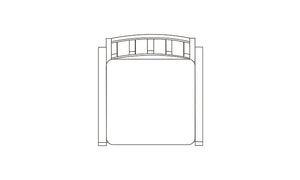
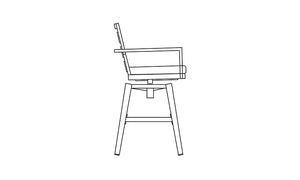
An outdoor bar stool is a raised seat designed for patios, decks, and outdoor kitchens. It pairs with a bar table or counter and uses a set seat height to match the surface height.
Outdoor bar stools also differ by structure and features:
-
Backless
Pros: saves space, slides under counter overhang
Cons: no back support -
With back
Pros: supports the spine during long seating
Cons: needs more space
-
Stools with arms
Pros: supports forearms and shoulders
Cons: may not fit under some counters
-
Armless
Pros: easier to move and store
Cons: less upper body support
-
Fixed
Pros: stable base
Cons: user must turn body to exit
-
Swivel
Pros: rotates for easy access
Cons: moving parts may wear over time
How to Measure an Outdoor Bar or Counter?
Start by measuring the counter height. Use a tape measure and record the distance from the floor to the top of the countertop. This number determines whether you need counter height stools or bar height stools.
Next, calculate the ideal seat height. Subtract 10–12 inches from the counter height. This gap creates proper leg clearance because most adults need about 10 inches between the seat and the counter underside to sit comfortably.
For example:
|
Counter Height |
Ideal Seat Height |
Stool Type |
|
36 inches |
24–26 inches |
Counter height stools |
|
40 inches |
28–30 inches |
Bar height stools |
|
42 inches |
30–32 inches |
Tall bar stools |
Check the counter overhang. Outdoor bars often extend 8–12 inches past the base. This overhang matters because it creates knee space. Without enough overhang, even the correct bar stool height can feel tight.
Measure the usable counter length to plan spacing. Allow at least 6 inches between standard bar stools. Increase this to 8–10 inches for stools with arms or swivel features, since they need more side clearance for movement.
Finally, confirm that the stool’s seat height fits under the counter. If the stool has arms, measure arm height as well. This step prevents buying bar stools that cannot slide fully beneath the counter.
What are Standard Outdoor Bar Stool Heights and Why They Matter?
Standard outdoor bar stool height depends on the table height it serves. The correct seat height keeps the user’s hips and knees at a natural angle and provides proper leg clearance under the counter overhang. Most experts follow the 10–12 inch rule, which leaves 10 to 12 inches between the seat and the tabletop.
In practice, this spacing allows comfortable movement and prevents knees from hitting the frame. It also supports better posture during longer seating periods.
|
Stool Type |
Seat Height |
Table Height |
|
Counter height stools |
24–26 inches |
~36 inches |
|
Bar height stools |
28–32 inches |
40–42 inches |
|
Extra tall stools |
33–36 inches |
44–47 inches |
A 36-inch counter pairs with a 24–26 inch seat height. A 42-inch bar pairs with a 30–32 inch bar stool height. These ranges align the user’s elbows near the surface, which supports relaxed dining or conversation.
Adjust height when design details change the fit. Cushions can add 1–2 inches to the seat height. A deep counter overhang may reduce usable leg clearance.
Because arms must slide under the counter without hitting the edge, stools with arms also need extra space. Careful measurement ensures the ideal seat height fits both the table and the user.

Why Footrests Matter for Outdoor Bar Stools?
Footrests significantly improve comfort on outdoor bar stools. When a stool has a tall seat height, such as 24–26 inches for counter height stools or 28–30 inches for bar height stools, feet may not reach the ground. Without support, legs dangle and place pressure on the thighs.
A footrest solves this problem because it supports the lower legs. This support reduces strain on the lower back and improves posture. For the user, this means less fatigue during long meals or social gatherings.
Key benefits of footrests:
- Reduces leg fatigue
- Improves seated posture
- Prevents dangling feet
- Adds balance when getting on or off
Footrests also stabilize the body. When paired with the correct bar stool height and proper leg clearance under the counter overhang, they help users sit upright instead of sliding forward on the seat. This is especially important for stools with arms, where stable leg positioning prevents awkward movement.
Most outdoor bar stools use integrated frame footrests. Manufacturers often weld a horizontal bar between the legs or add a circular support ring. When they use powder-coated steel or reinforced aluminum, the coating resists rust and chipping. In practice, this means the footrest holds up to moisture and frequent use on patios.
Choosing the ideal seat height matters, but pairing it with a solid footrest ensures the stool works as intended at both counter height and bar height setups.
Swivel vs Fixed Outdoor Bar Stools: What are the Differences?
Swivel outdoor bar stools rotate on a bearing mechanism, while fixed bar stools keep the seat in one position. That single design change affects movement, stability, and space planning.
A swivel bar stool uses a sealed bearing system inside the seat base. Because the seat turns 360 degrees, guests can rotate without dragging their legs across the patio. For the user, this means less scraping on decking and easier entry and exit, especially at bar height stools around 40–42 inches tall.
Swivel models need more side space. Most require at least 10–12 inches between bar stools so the seats do not bump during rotation. If the counter overhang is shallow, limited leg clearance can restrict full turning.
A fixed outdoor bar stool has a welded or bolted frame with no moving seat joint. Because there are no rotating parts, the structure stays rigid under load. In practice, this added stability helps on windy patios and uneven pavers.
Fixed stools also fit tighter layouts. They work well under a counter height of 36 inches with counter height stools that have an ideal seat height of 24–26 inches. Swivel versions at bar stool height usually need a deeper counter overhang—about 12 inches—to support proper leg clearance.
What are Outdoor Materials That Work Best for Bar Stools?
The best outdoor bar stools use weather-resistant materials that handle sun, rain, and heat changes without breaking down. The right bar stool materials protect the frame, keep the seat stable, and reduce long-term maintenance.
Outdoor materials for bar stools include:
- Aluminum
- Teak wood
- Stainless steel (304 or 316 grade)
- Resin wicker
- HDPE plastic
Because it does not rust, aluminum ranks high for outdoor use. Many manufacturers use powder-coated aluminum frames, which add a sealed finish that slows corrosion and fading. In practice, this means the stool can sit on a balcony or rooftop bar in humid air without flaking or staining.

Shop the look: Winston Series Patio Aluminum Swivel High Bar Stools
Teak wood contains natural oils that resist moisture, insects, and decay. Because of these oils, teak does not need chemical sealers to survive outdoors. For the user, this means less frequent sealing and a surface that can age into a silver patina without losing strength.
Stainless steel (304 or 316 grade) offers strong structural support and corrosion resistance. Grade 316 includes added molybdenum, which improves resistance to salt air. This matters for coastal patios where regular steel would rust faster.
Synthetic options also perform well:
- Resin wicker (polyethylene) – UV-resistant fibers prevent cracking and fading.
- HDPE plastic – waterproof and easy to clean with soap and water.
These materials resist moisture and require little upkeep, which makes them common for family-friendly outdoor seating areas.
How to Choose the Right Quantity and Layout?
Choose the right quantity and layout by measuring the counter, applying correct bar stool spacing, and matching the design to traffic flow. Accurate numbers prevent crowding, blocked walkways, and costly bar stool buying mistakes.
How Many Bar Stools for Your Space
Start with the counter length. Divide the total length in inches by 24–30 inches per stool to estimate how many bar stools fit comfortably.
For example:
|
Counter Length |
Comfortable Fit |
Tight Fit |
|
6 ft (72") |
2 stools |
3 stools |
|
8 ft (96") |
3 stools |
4 stools |
|
10 ft (120") |
4 stools |
5 stools |
The 24–30 inch range matters because it includes both seat width and stool spacing. In practice, this translates to enough elbow room for eating and talking without bumping shoulders.
Check the actual seat width, not just the frame width. A stool with a 19-inch wide seat reduces how many units fit compared to a 15-inch backless stool.
For small patios, backless stools often increase capacity because they tuck fully under the counter. That design choice frees floor space and improves movement behind seated guests.
Bar Stool Spacing and Placement
Proper bar stool spacing prevents cramped seating. Leave 6–8 inches between seats for standard models.
Use these spacing rules:
- Backless stools: 6 inches between seat edges
- Stools with backs: 8 inches
- Stools with arms: 10–12 inches between armrests
- Swivel stools: add 2 extra inches for rotation clearance
Because the seat rotates on a bearing plate, swivel stools need more clearance. Without extra space, the frame can hit the next stool or the counter edge.
Maintain at least 36 inches of walkway space behind occupied stools. For the user, this means guests can walk past without asking someone to stand up.
Place end stools 12–15 inches away from walls or posts. This gap prevents trapped seating positions.
FAQs
What is the ideal height for outdoor bar stools?
The ideal height leaves 10–12 inches between the seat and the countertop. For example, a 36-inch counter pairs with a 24–26 inch stool, while a 40–42 inch bar works with a 28–32 inch stool.
Can outdoor bar stools swivel and are they weather-proof?
Yes. Many outdoor bar stools use 360° swivel mechanisms and weather-resistant materials like aluminum, teak, HDPE plastic, or resin wicker, which handle rain and sun better than indoor stools.
How much weight can a typical outdoor bar stool support?
Most outdoor bar stools support 250–300 lbs, while reinforced models can handle up to 350 lbs depending on frame material and construction.
Related Articles

Outdoor Dining Chair Materials Compared: What A...
Outdoor dining chair materials shape comfort, durability, maintenance, and how well your chairs age outside. Metal brings strength and low upkeep, wicker gives you texture and style, cushioned seats boost...
Outdoor Dining Chair Materials Compared: What A...
Outdoor dining chair materials shape comfort, durability, maintenance, and how well your chairs age outside. Metal brings strength and low upkeep, wicker gives you texture and style, cushioned seats boost...
Continue Reading
Coffee Table vs Side Table: Height Rules & Spac...
Outdoor coffee tables and side tables need to match your sofa height and allow enough space for a comfortable, balanced layout. An outdoor coffee table should sit about 1–2 inches...
Coffee Table vs Side Table: Height Rules & Spac...
Outdoor coffee tables and side tables need to match your sofa height and allow enough space for a comfortable, balanced layout. An outdoor coffee table should sit about 1–2 inches...
Continue Reading
Outdoor Dining Chair Comfort Guide: Angles, Arm...
Comfort in outdoor dining chairs comes down to seat angle, arm height, and seat width. The most comfortable outdoor dining chairs usually have a slight backrest angle of about 10–15...
Outdoor Dining Chair Comfort Guide: Angles, Arm...
Comfort in outdoor dining chairs comes down to seat angle, arm height, and seat width. The most comfortable outdoor dining chairs usually have a slight backrest angle of about 10–15...
Continue Reading